
Companion Plants
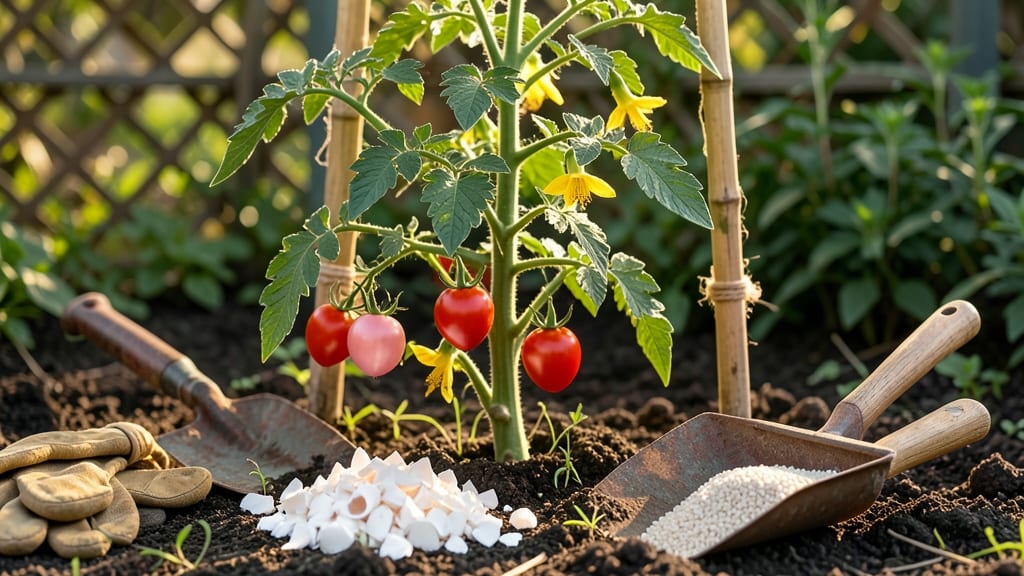
My tomatoes were turning to mush at the bottom—until I discovered calcium for tomato plants could fix blossom end rot in days. 🌱 That sunken, leathery spot isn’t just ugly; it’s a cry for help from your plants, signaling calcium deficiency in the fruit.
The good news? This mineral isn’t just about saving damaged tomatoes—it strengthens cell walls, improves fruit firmness, and prevents future rot before it starts.
Crushed eggshells are my go-to organic fix, but you’ve got options: garden lime for quick results, calcium nitrate for fast absorption, or even a simple epsom salt soak for mild deficiencies.
The key is timing—apply amendments when you plant, then side-dress midseason. Overdoing it? You’ll get bitter fruit or leaf burn, so balance is everything.
You’ll know it’s working when new blossoms stay firm and plump, not collapsing into those dreaded sunken spots. Healthy tomatoes develop thick skins and vibrant color, and your plants will look sturdier from root to vine. The best part? This remedy works for peppers, squash, and cucumbers too.
For best results, test your soil first—calcium deficiencies often hide in acidic or compacted soil. If you’re growing in containers, mix amendments directly into the potting mix. Prevention beats cure, so start now before your next harvest gets ruined. Your tomatoes deserve better!
📚 In This Guide
- What you need
- Instructions
- Tips and common mistakes
- Wrapping up and next steps
What you need
- ● Eggshells: 10–15 clean, empty eggshells (from organic or pesticide-free eggs if possible). Pro tip: Save shells from your kitchen—no need to buy!
- ○ Bleach (optional but recommended): 1 cup white vinegar or ½ cup bleach + 4 cups water (for sterilizing shells).
- ● Water: 2–3 gallons for soaking shells (or enough to cover them completely).
- ● Tomato plants: Healthy plants showing early signs of blossom end rot (dark, sunken spots on fruit) or as a preventive measure.
- ● Colander or fine mesh strainer: For rinsing and drying shells.
- ○ Blender or food processor: To pulverize dried shells into a powder (optional but speeds up absorption).
- ● Spray bottle (8–16 oz): For applying liquid calcium tea to leaves.
- ● Garden trowel or small shovel: For mixing shell powder into soil.
- ● Calcium supplement (backup): 1–2 tbsp calcium nitrate or gypsum (if shells aren’t enough).
Step-by-Step guide to using eggshells for calcium in tomato plants
Here's how to prevent blossom end rot naturally—no store-bought supplements needed.
🌱 Step 1: Collect and Clean Eggshells
Save eggshells from your kitchen for 2-3 weeks before using. Rinse them thoroughly to remove any residual egg or food particles—this prevents mold or bacteria from transferring to your plants. I like to soak them in a 10% vinegar solution for 5 minutes to sterilize them completely.
Let the shells dry completely in a sunny spot or oven at 200°F for 10 minutes. This ensures they're bone-dry and ready for grinding. You'll need about 1 cup of crushed eggshells for every 4 tomato plants.
✂️ Step 2: Grind Eggshells into Fine Powder
Use a clean coffee grinder or blender to pulverize the dried eggshells into a fine, sandy powder. The finer the powder, the faster calcium will dissolve into the soil. I avoid metal grinders because they can leave traces that may affect soil pH over time.
You'll know it's ready when the texture resembles coarse sand. Store the powder in a labeled jar until use. This method gives you a pure calcium source without additives or chemicals—just what your tomatoes need.
💧 Step 3: Apply Eggshell Powder to Soil
Work the eggshell powder into the top 2-3 inches of soil around your tomato plants. I like to do this when the soil is slightly moist—it helps the powder mix in evenly without clumping. For established plants, sprinkle 1-2 tablespoons around each plant's base.
Gently scratch the soil surface to incorporate the powder. Avoid piling it directly against the stems, as this can create a barrier that prevents water and nutrients from reaching the roots. Water the area lightly afterward to help activate the calcium.
☀️ Step 4: Use Eggshell Tea for Foliar Boost
For an extra calcium boost, make eggshell tea by steeping 1 cup of crushed eggshells in 4 cups of hot water for 24 hours. Strain through a fine mesh or cheesecloth, then dilute the liquid with 1 gallon of water before applying.
Spray the diluted tea onto the leaves and stems in the early morning or late afternoon to avoid leaf burn. This foliar method helps prevent blossom end rot quickly, especially during hot, dry spells when calcium uptake slows. Reapply every 2-3 weeks or whenever you notice new blossoms forming.
🌿 Step 5: Monitor and Maintain Calcium Levels
Watch for signs of improvement within 2-3 weeks, like firmer fruit and fewer dark spots on the blossom end. If you see new rot developing, increase the frequency of your eggshell applications. I also recommend testing your soil's pH—tomatoes need a slightly acidic to neutral range of 6.0-6.8 for best calcium absorption.
For continuous protection, reapply eggshell powder every 4-6 weeks during the growing season. This keeps a steady supply of calcium available, especially during periods of rapid growth or fruiting. Healthy tomatoes will reward you with fewer blemishes and better flavor!
Tips & tricks for perfect eggshell calcium remedy
Took me a while to figure these out, so here goes—these small tweaks make all the difference with your tomato plants.
Cleaning is Critical: That 5-minute vinegar soak in Step 1 isn't just about cleanliness—it's your first line of defense against mold. I've seen eggshells develop fuzzy green spots when I skipped this step, especially in humid climates. For extra safety, use distilled vinegar instead of white vinegar if your kitchen has hard water (the minerals can leave residue).
Grinding Game-Changer: When you're grinding in Step 2, pulse your coffee grinder in short bursts rather than running it continuously. This prevents overheating, which can actually cook the calcium out of the shells. Aim for a texture finer than sand but not powdery—think coarse sugar. I've found that a dedicated spice grinder works better than a blender for this step because it creates more consistent particle sizes.
Application Timing: The 2-3 inches deep in Step 3 is key—this places the calcium where the roots can access it most efficiently. I've noticed that applying it right after watering helps the powder sink into the soil instead of floating on top. For container-grown tomatoes, mix the powder directly into the potting soil when repotting rather than sprinkling on top.
Foliar Boost Secret: When making eggshell tea in Step 4, I add a splash of lemon juice to the 4 cups of hot water before steeping. The acidity helps extract even more calcium from the shells. Also, use a fine-mesh strainer or cheesecloth that's at least 200 microns—coarser filters can clog your spray bottle and leave gritty residue on leaves.
Pro Tips for Calcium For Tomato Plants
- Took me a while to figure these out, so here goes—these small tweaks make all the difference with your tomato plants.
- Cleaning is Critical: That 5-minute vinegar soak in Step 1 isn't just about cleanliness—it's your first line of defen...
- Grinding Game-Changer: When you're grinding in Step 2, pulse your coffee grinder in short bursts rather than running ...
Frequently asked questions
Got questions about boosting your tomato plants with calcium? Here are some common ones—and their answers—to help you grow healthier, happier tomatoes!
How do I know if my tomato plants need calcium?
Watch for blossom end rot—dark, sunken spots on the fruit’s bottom. Yellowing leaves or stunted growth can also signal calcium deficiency. Test your soil (pH 6.0–6.8 is ideal) or use a soil test kit to confirm. Preventative calcium (like eggshells) is always better than treating symptoms!
Can I use eggshells for calcium, and how?
Crush clean, dried eggshells into a fine powder and mix them into the soil at planting time. For established plants, sprinkle the powder around the base and water it in. Pro tip: Bake shells at 200°F (93°C) for 10 minutes to kill bacteria before crushing. Repeat every 4–6 weeks for best results.
When is the best time to add calcium to tomato plants?
Add calcium before planting (mixed into soil) and during fruiting (when plants need extra support). Avoid overdoing it—too much calcium can lock out other nutrients like magnesium. For container plants, add a calcium supplement (like gypsum) every 2–3 weeks once flowers appear.
What are some alternatives to eggshells for calcium?
If eggshells aren’t an option, try:
- Gypsum (calcium sulfate): Mix 1–2 tbsp per plant into soil.
- Crushed oyster shell: Sprinkle around plants (great for acid-loving tomatoes).
- Composted manure: Adds calcium + organic matter.
- Commercial calcium supplements: Like Cal-Mag (calcium + magnesium).
Why are my tomato fruits still getting blossom end rot after adding calcium?
Blossom end rot can stem from inconsistent watering (fluctuating moisture stresses roots) or poor soil drainage. Ensure plants get 1–2 inches of water weekly and improve drainage with organic matter. Check for pH imbalances (too acidic/alkaline) and adjust with sulfur or lime if needed. Pro tip: Mulch to retain moisture and reduce stress!
Wrapping up and next steps
Growing thriving tomato plants is all about giving them the right care—and calcium is a game-changer! 🌱 By using simple, natural remedies like eggshells or crushed limestone, you can prevent blossom end rot and boost fruit quality. Your garden will thank you with juicy, healthy tomatoes all season long!
Ready to take action? Start by preparing your soil or applying your chosen calcium source this week. Keep an eye on your plants, and soon you’ll be harvesting the best tomatoes ever—no rot in sight! 🍅✨