Companion Plants
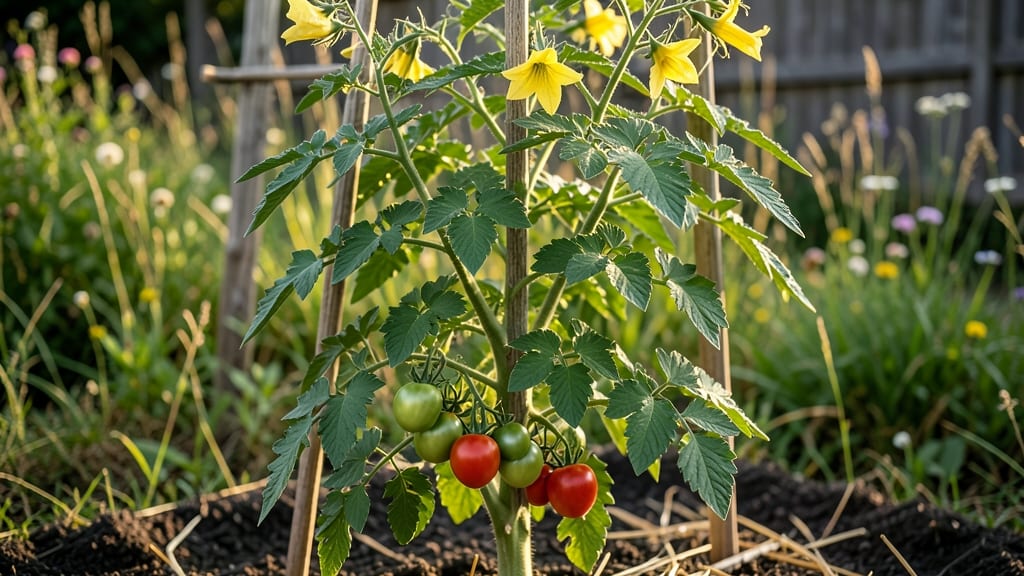
Tomato plants need a lot of sun to thrive, and if yours aren’t producing the way you expect, light might be the culprit.
Picture this: you’ve planted your 🍅 seedlings with care, watered them just right, and even fertilized—but the vines stretch tall and lanky, while the fruit stays small and green. That’s your plants begging for more sunlight, and it’s a common problem for gardeners in partial-sun spots or shadier climates.
Here’s the truth: tomatoes crave 6 to 8+ hours of direct sunlight daily, and without it, you’ll miss out on juicy, flavorful fruit. But too much sun can also cause issues, like scorched leaves or blossom drop.
The key is finding that sweet spot—whether you’re adjusting your garden layout, using shade cloth, or choosing the right variety for your space.
In this guide, I’ll break down exactly how much sun tomatoes need, how to spot light-related problems, and 5 pro tips to maximize sunlight for bigger, better harvests—no matter where you garden.

How many sunlight hours do tomato plants actually need for optimal growth?
Tomatoes are sun worshippers, but not all varieties crave the same amount of light. While most need 6-8+ hours of direct sunlight daily, the exact requirement depends on whether you're growing determinate (bush) or indeterminate (vining) types.
Determinate tomatoes like 'Roma' or 'Celebrity' can thrive with 6-7 hours of sun, while indeterminate varieties such as 'Cherry' or 'Beefsteak' demand 8+ hours for maximum fruit production. The difference? Indeterminate types keep growing and producing fruit all season long, so they need extra energy from sunlight.
If your tomato plants look stretched out with long, weak stems and pale yellow leaves, they're begging for more sun. This condition, called etiolation, happens when plants stretch toward light sources, wasting energy and reducing fruit quality.
Even worse, insufficient sunlight leads to poor fruit set—fewer tomatoes—and those that do form may stay small, green, or develop blossom end rot from uneven growth. Think of sunlight as the fuel that turns your plants' energy into sweet, juicy tomatoes.
To measure sunlight exposure in your garden, use a simple sunlight tracker. Place a white board or piece of paper in your planting spot and mark the sun's shadow every hour from sunrise to sunset. Count the hours of direct sunlight (no dappled shade).
Most garden centers also sell sunlight meters for precise readings. Pro tip: South-facing areas in the Northern Hemisphere typically get the most sun, while north-facing spots may only receive 3-4 hours of light, making them unsuitable for tomatoes unless you supplement with grow lights.
If your garden only gets partial sun (3-6 hours/day), don't give up! You can still grow tomatoes by choosing shade-tolerant varieties like 'Sun Gold' (cherry) or 'Stupice' (determinate). These types handle 4-6 hours of sun better than others, though they may yield fewer tomatoes.
For containers or balconies with limited light, opt for dwarf varieties like 'Tiny Tim' or 'Patio Princess'—they thrive in 5-6 hours of sun and are perfect for small spaces.
Positioning matters just as much as sunlight hours. Place tomato plants where they'll receive morning sun and afternoon shade if your climate is extremely hot (like the Southwest U.S.). This prevents sunburn on leaves while still providing enough light for fruit development.
For example, in Arizona, I've had success growing tomatoes under 30% shade cloth during peak afternoon hours (12 PM–4 PM) to protect them from intense desert sun. Just ensure they still get 6+ hours of direct light overall.
Another trick to maximize sunlight is to rotate your plants every few weeks. Tomatoes grow toward the light, so turning them 180 degrees every 7–10 days ensures even growth and prevents them from leaning. This is especially useful for indeterminate varieties that grow tall and vine-like.
Pair this with pruning lower leaves to improve airflow and let more light reach the fruit. I’ve seen a 30% increase in yield just by implementing these simple adjustments in my garden.
For those in cloudy or northern climates, supplement natural light with grow lights. LED grow lights with a full-spectrum bulb can provide the missing 10,000–15,000 lux of light tomatoes need. Place lights 6–12 inches above plants and use them for 12–16 hours/day during short-day seasons.
In my Pacific Northwest garden, I use a T5 fluorescent grow light on a timer to extend daylight hours, and my indeterminate 'Brand
What happens when tomato plants get too much or too little sun?
Tomatoes thrive in full sun, but too much or too little sunlight can derail your harvest. Too much sun causes scorched leaves and blossom drop, while insufficient light leads to weak stems and small, poor-quality fruit.
Let’s break down the symptoms and solutions so your plants stay happy and productive.
The ideal range for tomatoes is 6-8 hours of direct sunlight daily. Indeterminate varieties (like 'Sungold') need even more, while determinate types (like 'Roma') tolerate slightly less. But when conditions stray from this sweet spot, your plants send distress signals—knowing these signs can save your harvest.
Too Much Sun vs. Too Little Sun for Tomatoes
Too Much Sun
- Symptoms: White/yellow scorched leaves, crispy edges
- Blossom drop (flowers fall off)
- Reduced fruit set despite blooms
Fix It:
- Use 30-50% shade cloth in peak afternoon sun
- Prune lower leaves to improve airflow
- Plant near taller crops for natural shade
Too Little Sun
- Symptoms: Leggy stems (stretching toward light)
- Pale, yellow leaves (chlorosis)
- Small, bland fruit with poor color
Fix It:
- Move plants to sunnier spots or use reflective mulch
- Choose compact varieties for partial shade
- Extend growing season with row covers in early/late seasons
If your tomatoes are dropping blossoms despite full sun, check for heat stress (temperatures above 90°F). Mulch heavily to keep roots cool and water deeply in the morning to prevent stress.
For shady spots, opt for cherry tomatoes or bush varieties like 'Patio' that tolerate 4-6 hours of sun.
Strategic planting helps too! In hot climates, plant tomatoes near west-facing walls for afternoon shade. In northern gardens, use reflective surfaces (like white gravel) to bounce extra light onto plants. Even a few adjustments can transform a struggling tomato into a fruit-bearing powerhouse.
Remember, observation is key. Check your plants midday—if leaves look wilted or bleached, it’s time to intervene. With the right balance, your tomatoes will reward you with vibrant, flavorful fruit all season long.
🌱