
Companion Plants
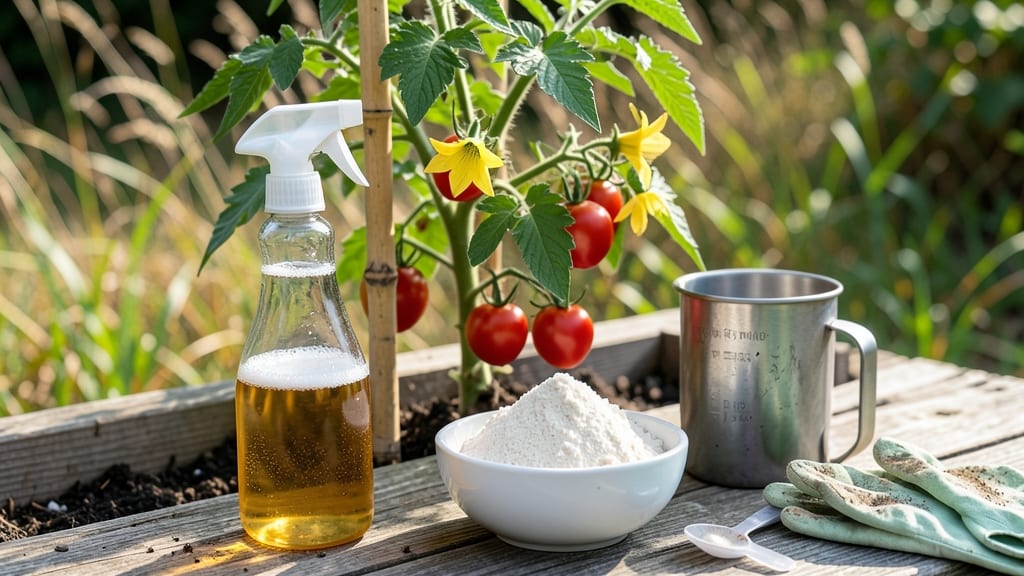
How to use baking soda for tomato plants nearly saved mine from blight last summer—until I discovered its secret weapon power. 🌱 The same pantry staple that whitens teeth can prevent fungal diseases and deter pests when mixed right. It’s not magic, but it’s the closest thing to a free, organic shield for your tomatoes that actually works.
You’ll need just three simple ingredients: 1 tablespoon of baking soda, a teaspoon of vegetable oil, and a gallon of water. The oil helps the baking soda stick to leaves, while the mix creates an alkaline environment that fungal spores hate.
Spray it on dry leaves in the morning to avoid burning tender foliage—timing matters more than you’d think.
After just one application, you’ll notice fewer spots on leaves and pests like aphids staying away. But here’s the catch: it’s a preventive tool, not a cure. Combine it with proper spacing (24–36 inches apart) and pruning to keep air circulating—otherwise, moisture lingers and defeats the baking soda’s purpose.
Overuse can harm plants, so limit it to once every 2 weeks during growing season. If blight or pests persist, switch to neem oil or copper fungicide.
The key? Monitor your plants daily and adjust as needed—this isn’t a set-it-and-forget-it solution, but it’s the closest thing to a foolproof organic fix.
📚 In This Guide
- What you need
- Instructions
- Tips and common mistakes
- Wrapping up and next steps
What you need
- ● Baking soda (sodium bicarbonate): 1–2 tablespoons per gallon of water (adjust based on plant size and pest severity).
- ● Note: Use food-grade, pure baking soda (no aluminum or additives).
- ● Water: 1 gallon (3.8 liters) of room-temperature or slightly warm water per application.
- ○ Optional: Rainwater or distilled water for softer results.
- ● Spray bottle or garden sprayer: 16–32 oz (500–1000 mL) capacity for even coverage.
- ● Pro tip: A fine-mist nozzle prevents clumping on leaves. 💡
- ● Mixing container: A clean bucket, pitcher, or large bowl (avoid metal to prevent reactions).
- ● Wooden spoon or whisk: For stirring—no metal! (It can react with baking soda and reduce effectiveness.)
- ○ Gloves (optional): Lightweight gardening gloves to protect hands from residue.
- ● Dish soap (mild, unscented): ½ teaspoon per gallon (acts as a surfactant to help the solution stick to leaves).
- ● Neem oil (food-grade): 1 teaspoon per gallon (enhances pest-repellent properties).
- ● Horticultural oil or mineral oil: 1 teaspoon per gallon (adds a protective film against pests).
- ○ pH test kit (optional): To monitor soil pH before/after baking soda applications (ideal range: 6.0–6.8 for tomatoes).
- ● ✅ Healthy tomato plants: Apply only to vigorous, non-wilted plants (stressed plants may react poorly).
- ● ✅ Pest identification: Confirm pests are fungal (powdery mildew) or soft-bodied (aphids, spider mites)—baking soda won’t harm hard-shelled bugs like beetles.
- ● ✅ Avoid direct sunlight: Spray in the early morning or evening to prevent leaf burn.
- ● ❌ Do NOT use: Baking soda with chlorine (e.g., tap water in some areas—let it sit out for 24 hours if unsure).
- ● On edible parts within 24 hours of harvest (rinse thoroughly if spraying foliage).
Step-by-step guide to using baking soda for tomato plants
Here's how to transform a simple kitchen staple into a powerful tool for healthier tomato plants.
🌱 Step 1: Prepare the Baking Soda Solution
Mix 1 teaspoon of baking soda with 1 quart of water in a clean spray bottle. This creates a mild alkaline solution that deters pests while providing essential minerals. I like to add a few drops of dish soap (not the same bottle you use for dishes!) to help the solution stick to leaves. Shake well before each use—baking soda doesn't dissolve completely, and you want an even distribution.
Test the solution on a single leaf first. Wait 24 hours to check for any discoloration or damage. If the leaf looks fine, you're ready to proceed. This step is crucial because baking soda can burn leaves if applied too strongly or if your water is already hard.
💧 Step 2: Apply to Leaves and Soil
Spray the baking soda mixture directly onto the top and bottom of tomato leaves, focusing on areas where pests like aphids or spider mites gather. You'll see a fine white residue settle on the leaves—that's normal and actually works as a barrier against soft-bodied insects. For soil treatment, dilute the solution to ½ teaspoon per quart of water and water the base of the plant, avoiding direct contact with stems.
Apply this treatment every 7-10 days or after heavy rain, which washes away the protective layer. Early morning applications work best because the solution has time to dry before the heat of the day. Avoid spraying when tomatoes are flowering or fruiting heavily—this can interfere with pollination.
☀️ Step 3: Boost Soil Health with Baking Soda
For a soil boost, mix 1 tablespoon of baking soda into the top 2 inches of soil around your tomato plants. This helps adjust pH levels in acidic soil, which tomatoes prefer to be slightly alkaline. Work the baking soda gently into the soil with your fingers or a small hand trowel—don't disturb the roots.
Water the amended soil thoroughly after application to help distribute the baking soda evenly. You'll notice healthier foliage growth within 2-3 weeks if your soil was previously too acidic. This method is especially helpful in areas with heavy rainfall, which can make soil more acidic over time.
✂️ Step 4: Combine with Companion Planting
For maximum effectiveness, pair your baking soda treatments with companion plants like basil, marigolds, or garlic. These plants naturally repel pests and enhance the baking soda's effects. Place them around the perimeter of your tomato patch, about 12-18 inches away from the main plants.
Combine this with your baking soda spray routine for a two-pronged defense. You'll see fewer pests and stronger plant growth when both methods work together. This approach reduces the need for chemical pesticides while keeping your tomatoes thriving.
🌿 Step 5: Monitor and Adjust
Keep an eye on your tomato plants after each treatment. Look for signs of pest reduction and improved leaf health. If you notice any yellowing leaves or stunted growth, reduce the baking soda frequency or dilute the solution further. Tomatoes are resilient, but too much baking soda can disrupt their natural balance.
This method works best as a preventive measure rather than a cure. Start using baking soda at the first sign of stress or pests, and you'll create a healthier environment for your plants to thrive. With consistent care, your tomatoes will reward you with stronger vines, better fruit set, and fewer pest problems.
Tips & tricks for perfect baking soda tomato treatments
Here's what nobody tells you about making this garden hack work flawlessly every time.
Solution Preparation: When mixing your 1 teaspoon of baking soda with 1 quart of water, use distilled or rainwater if possible—tap water with high mineral content can reduce effectiveness. I've found that adding the dish soap right after mixing (not beforehand) prevents it from breaking down too quickly. Shake the bottle vigorously for at least 20 seconds to ensure even distribution, especially since baking soda doesn't fully dissolve.
Leaf Testing: That 24-hour test period on a single leaf is your safety net. I learned this the hard way after seeing brown spots appear after just 12 hours on a particularly sensitive tomato variety. If you're dealing with young plants or delicate heirloom varieties, extend the test to 48 hours to be extra safe. Remember, baking soda is alkaline and can disrupt leaf chemistry if overused.
Application Timing: Early morning applications between 6-8 AM give the solution time to dry completely before afternoon heat. I've noticed that spraying in the late afternoon can lead to leaf burn, especially in hot climates. For soil treatment, water thoroughly after applying the 1 tablespoon to 2 inches of soil—this helps distribute it evenly without creating concentrated pockets that could harm roots.
Companion Plant Placement: When positioning those basil, marigold, or garlic plants 12-18 inches away, place them on the north side of your tomato patch if possible. This creates a natural windbreak that helps the baking soda spray reach more surface area on your tomato leaves while protecting them from strong afternoon winds that can wash away the treatment.
Pro Tips for Use Baking Soda For Tomato Plants
- Here's what nobody tells you about making this garden hack work flawlessly every time.
- Solution Preparation: When mixing your 1 teaspoon of baking soda with 1 quart of water, use distilled or rainwater if...
- Leaf Testing: That 24-hour test period on a single leaf is your safety net. I learned this the hard way after seeing ...
Frequently asked questions
Got questions about using baking soda for your tomato plants? You’re not alone! Here are some of the most common queries—and straightforward answers—to help you get the best results.
How often should I apply baking soda to tomato plants?
Apply baking soda every 2–4 weeks during the growing season (spring to fall) for pest control. For soil amendments, mix it in at planting time and top-dress lightly every month. Overuse can disrupt soil pH—stick to a gentle schedule!
Can I use baking soda if my tomato plants already have pests?
Yes! Baking soda is effective against fungal diseases (like powdery mildew) and soft-bodied pests (e.g., aphids). Mix 1 tbsp baking soda + 1 gallon water + a drop of dish soap, then spray directly on affected areas. Repeat every 5–7 days until pests clear up.
Is baking soda safe for all tomato varieties?
Baking soda is generally safe for most tomato varieties, but avoid overusing it on heirloom or sensitive plants (like cherry tomatoes). Always do a patch test on a few leaves first. Organic gardening tip: Pair it with neem oil for extra pest protection!
What’s a good alternative if I don’t have baking soda?
Try these DIY swaps:
- Neem oil (1 tsp + 1 quart water) – repels pests and prevents fungal growth.
- Milk spray (1:9 milk-to-water ratio) – boosts plant immunity.
- Diatomaceous earth – crushes soft-bodied insects (reapply after rain).
Why did my tomato leaves turn brown after using baking soda?
Brown spots can signal overapplication or high alkalinity. Dilute your mixture (1 tsp baking soda per gallon of water max) and avoid spraying in direct sunlight. If damage occurs, flush the soil with water and reduce future doses.
Can I use baking soda for tomato seeds or seedlings?
Yes! For seeds, soak them in a weak baking soda solution (½ tsp per cup of water) for 12 hours to prevent damping-off disease. For seedlings, lightly dust soil with baking soda at planting to deter pests—but skip foliar sprays until plants are established.
Wrapping up and next steps
Using baking soda for your tomato plants is a simple, cost-effective way to boost growth, deter pests, and enhance soil health—all while keeping your garden chemical-free! 🌱 Whether you’re fighting aphids, balancing pH, or giving your plants a nutrient boost, this natural remedy proves that sometimes the best solutions are right in your kitchen. Start small, observe results, and let your tomatoes thrive!
Ready to take it further? Experiment with companion plants like basil or marigolds to create an even stronger defense system for your garden. Happy growing! 🌿