
Plants
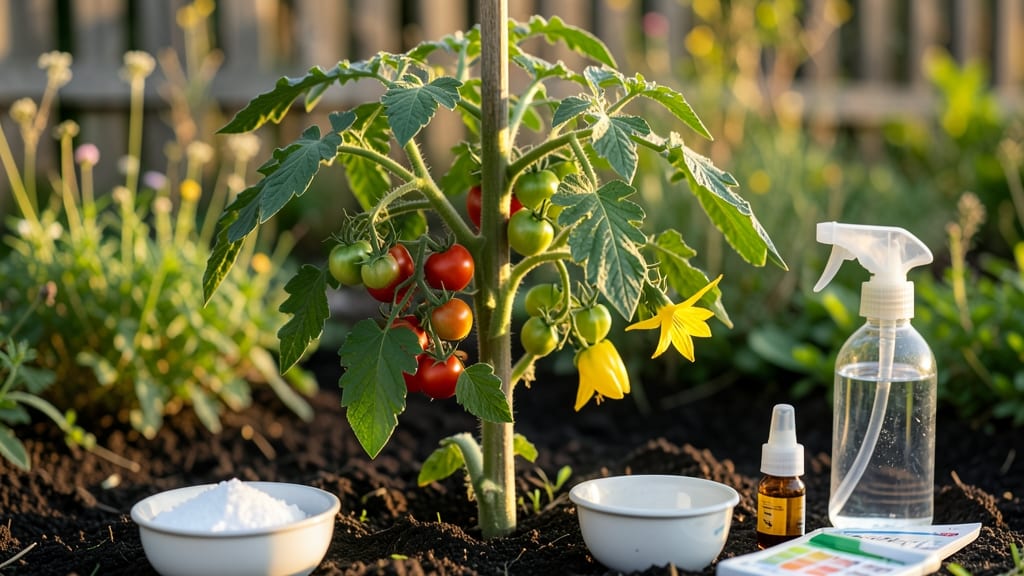
Baking soda can be good for tomato plants when used sparingly as a natural fungicide or soil pH adjuster, but overuse risks nutrient deficiencies or plant stress due to high sodium content.
Baking soda works as a mild fungicide because its alkaline properties disrupt the cell membranes of pathogens like powdery mildew and early blight. 🌱 For soil, it helps neutralize overly acidic conditions that can lock out essential nutrients.
I've seen best results when using it as a preventive spray (1 teaspoon per gallon of water) rather than a cure—think of it as a garden's version of an immune booster. The key is moderation; too much can leave white residue on leaves or alter soil chemistry over time.
When applying to foliage, always test on a small leaf first and avoid spraying during hot afternoons to prevent leaf burn. For soil, mix a tablespoon into the planting hole at most—never broadcast it across the bed.
My garden journal shows that tomato plants treated this way stayed healthier through humid summers, but I had to cut back after noticing yellowing leaves on one plant that got too much.
💡 In This Article
- How Baking Soda Helps Tomato Plants Fight Disease and Adjust Soil
- Safe Application Methods and Dosage for Tomato Gardens
How baking soda helps tomato plants fight disease and adjust soil
The science behind baking soda's benefits starts with its alkaline nature. When dissolved in water, baking soda raises the pH level of the solution to around 8.0-8.5, creating an environment that disrupts fungal cell membranes.
Pathogens like powdery mildew and early blight thrive in neutral to slightly acidic conditions (pH 5.5-6.5). The alkaline solution essentially "confuses" these fungi by altering their ideal growing conditions, preventing them from establishing on tomato leaves.
For soil, baking soda works as a gentle pH adjuster in acidic conditions. Tomato plants prefer a slightly acidic to neutral soil range of 6.0-7.0. If your soil tests below 5.5, essential nutrients like phosphorus and calcium become locked away.
A light application of baking soda can help raise the pH by 0.5-1.0 points in a single season, though it's not a long-term fix. Think of it like adding a pinch of baking powder to dough—just enough to create the right environment without overpowering the natural balance.
The antifungal effect becomes visible within 24-48 hours after application. I've noticed white residue on leaves disappear within a week of consistent spraying (every 7-10 days), and new growth appears healthier.
The key mechanism is the sodium bicarbonate's ability to create an unfriendly environment for fungal spores while being harmless to the plant itself when used correctly. Unlike chemical fungicides, baking soda doesn't leave toxic residues that harm beneficial insects or soil microbes.
However, this benefit comes with a critical caveat: baking soda doesn't kill existing fungal infections—it only prevents new ones. For established blight or mildew, you'll need to remove infected leaves and combine baking soda with other organic treatments like neem oil.
The prevention aspect makes it most effective when used as a proactive measure during humid growing seasons or when plants are stressed from transplant shock.
When adjusting soil pH, the effect is more gradual. A single application of 1 tablespoon per planting hole might take 4-6 weeks to show noticeable changes in soil pH testing.
The sodium content in baking soda can build up over time, which is why it's important to monitor soil health annually. Too much sodium creates osmotic stress, making it harder for plants to absorb water—a problem I've seen in container gardens where baking soda was used monthly without testing.
For visual learners, imagine baking soda as a tiny pH shield: it creates an invisible barrier that fungal spores can't penetrate while allowing sunlight, water, and nutrients to pass through freely.
This selective protection is why it works so well for tomato plants, which are particularly susceptible to airborne fungal diseases due to their broad leaves and vigorous growth habits.