
Vegetables
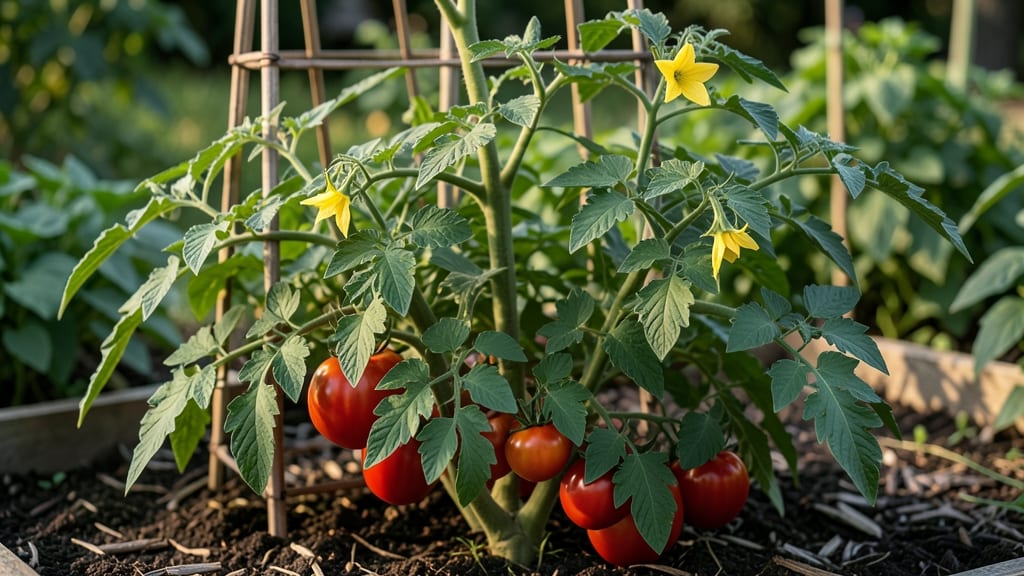
Growing beefsteak tomatoes that burst with flavor starts with the right care. 🌱 These giants need consistent attention to reach their full potential—juicy, beefy slices that make every summer salad worth the effort.
My first beefsteaks nearly cracked from overwatering, but now I’ve perfected the balance between feeding them just enough and letting them develop that signature sweetness.
You’ll need rich, well-draining soil mixed with compost, a sturdy cage or stakes (they can weigh 10+ pounds each!), and a sunny spot with 6-8 hours of direct sunlight daily. The secret?
Pruning suckers early keeps energy focused on fruit production, and a balanced fertilizer schedule prevents leafy monsters at the expense of tomatoes. I swear by a weekly feeding of diluted fish emulsion once flowers appear.
Watch for early blight on lower leaves and blossom end rot from calcium swings—both are common but preventable. Harvest when tomatoes turn deep red (or their variety’s mature color) and yield slightly to gentle pressure.
The first bite? That’s the reward for all the work. Your neighbors will ask for cuttings after tasting your homegrown beefsteaks.
Even in small spaces, these tomatoes thrive with the right support and care. Whether you’re growing in containers or garden beds, the key is consistency—water, prune, and feed on schedule. Once you master it, you’ll never buy store-bought again. Let’s get those vines loaded with flavor!
📚 In This Guide
- What you need
- Instructions
- Tips and common mistakes
- Wrapping up and next steps
What you need
- ● Beefsteak tomato seeds or seedlings: Choose disease-resistant varieties like 'Brandywine,' 'Cherokee Purple,' or 'Big Beef' (6-8 plants per household is plenty!).
- ● Well-draining potting mix or garden soil: A 50/50 blend of compost and sterile potting soil (10-15 gallons per plant).
- ● Containers or garden space: Containers: 5-gallon pots or larger (1 plant per container).
- ● Garden beds: Full sun (6+ hours/day) with at least 18" spacing between plants.
- ● Fertilizer: Balanced organic fertilizer (10-10-10 or 5-5-5, 1 tbsp per plant).
- ● Slow-release tomato fertilizer (follow package rates).
- ● Support system: Sturdy cages (6-8 ft tall) or trellises (1 per plant).
- ● Mulch: Straw or shredded leaves (2-3 inches thick to retain moisture).
- ● Watering can or hose with a gentle spray nozzle.
- ● Pruning shears or scissors (for trimming suckers and dead leaves).
- ● Epsom salt: 1 tbsp per plant monthly for magnesium boosts.
- ● Copper fungicide: For preventive care against blight.
- ● Drip irrigation system (to automate watering).
- ● Plant markers: To track varieties and pruning schedules.
- ● Fish emulsion or compost tea: For extra nutrients during fruiting.
Step-by-Step instructions for beefsteak tomato care
Here's how I grow beefsteak tomatoes that burst with flavor and fight off common diseases.
🌱 Step 1: Plant in Well-Draining Soil with Support
Beefsteak tomatoes need rich, well-draining soil with a pH of 6.0-6.8 for optimal nutrient uptake. I always mix in 2-3 inches of compost before planting to provide slow-release nutrients. These heavy-fruited varieties need extra support—install a 6-foot tall cage or sturdy stakes at planting time to prevent sprawling.
Dig a hole twice as wide as the root ball but only as deep as the pot. This encourages roots to spread horizontally for better stability. Gently remove the plant from its container and loosen any circling roots with your fingers. Place the tomato in the hole so the top of the root ball sits 1 inch below soil level—this prevents stem rot while encouraging root growth.
☀️ Step 2: Provide Full Sun and Consistent Watering
Beefsteak tomatoes demand 6-8 hours of direct sunlight daily. I place mine in the sunniest spot in my garden, where they receive morning sun and afternoon shade in hot climates. Without enough light, fruits become small and flavorless. You'll know they're getting proper light when the leaves are deep green and the stems stay sturdy.
Water deeply 1-2 times per week, delivering 1-2 gallons per plant each time. The key is consistency—let the top 2 inches of soil dry out between waterings to prevent blossom-end rot. I water at the base in the morning to reduce evaporation and fungal risks. Mulch with 2-3 inches of straw to retain moisture and keep roots cool.
🌿 Step 3: Prune for Airflow and Fruit Production
Pruning beefsteak tomatoes isn't just about aesthetics—it's essential for disease prevention and fruit quality. Remove any suckers (shoots growing between the main stem and branches) when they're 3-4 inches long. These compete with your main fruit for energy. I also trim lower leaves that touch the soil to improve airflow and reduce disease risk.
Leave 3-4 main stems on each plant to maximize fruit size. Pinch off any flowers that appear before the plant has established 5-6 leaves—this directs energy into root and stem growth first. You'll see stronger plants with fewer but larger, juicier tomatoes as a result. Use clean, sharp pruners and sterilize them with rubbing alcohol between cuts to prevent spreading disease.
💧 Step 4: Fertilize for Continuous Growth
Beefsteak tomatoes are heavy feeders, so I start with a balanced fertilizer (10-10-10) at planting time, then switch to a low-nitrogen, high-phosphorus formula (5-10-10) when flowers appear. Apply fertilizer every 4-6 weeks during the growing season, always watering before and after to prevent root burn.
Watch for signs of nutrient deficiencies—yellowing leaves often mean nitrogen deficiency, while purple stems indicate phosphorus needs. I also add 1 tablespoon of Epsom salt per gallon of water monthly to boost magnesium levels, which beefsteak tomatoes crave for sweetness. Always follow package instructions for application rates to avoid over-fertilizing.
✂️ Step 5: Harvest and Maintain Through the Season
Harvest beefsteak tomatoes when they're fully colored and slightly soft to the touch. I pick them in the morning when temperatures are cooler to preserve quality. Cut stems with pruners to avoid damaging the plant. You'll know they're ripe when they yield gently to pressure and have a rich, sweet aroma at the stem.
Continue pruning and fertilizing through the season, but reduce watering slightly as the plant matures to concentrate flavors. Remove any diseased leaves immediately and dispose of them away from the garden. In cool climates, protect plants with row covers if frost threatens. With proper care, a single beefsteak plant can produce 10-20 pounds of tomatoes—worth every effort!
Tips & tricks for perfect beefsteak tomato cultivation
These game-changing insights will help you cultivate beefsteak tomatoes that rival any farmers' market find.
Soil Preparation Secret: Before planting, I always test my soil's pH using a simple kit from the garden center. Beefsteak tomatoes thrive in that 6.0-6.8 range—if your soil is too acidic, amend it with crushed limestone (about 1 pound per 100 square feet) 2-3 months before planting. The 2-3 inches of compost mentioned in Step 1 should be well-aged to avoid introducing weeds or pathogens. I find that mixing in a handful of worm castings at planting time gives an extra boost to root development.
Sunlight Strategy: Those 6-8 hours of direct sunlight are non-negotiable, but here's what I do for maximum efficiency: Place your plants where they'll receive morning sun (which warms the soil) and afternoon shade (to prevent leaf scorch). In hot climates, I use shade cloth (30-50% shade) during peak afternoon hours. You'll notice the leaves stay vibrant green and the stems remain sturdy—clear signs your plants are getting exactly what they need.
Pruning Precision: When removing suckers in Step 3, I always use a clean pair of pruners and make cuts at a 45-degree angle about 1/4 inch above a leaf node. This technique prevents water from pooling on the cut, which reduces disease risk. For the 3-4 main stems you're keeping, I recommend leaving the topmost leaf on each stem to support future fruit growth. And here's a pro move: If you see any flowers appearing before the plant has 5-6 leaves, pinch them off—the plant needs that initial growth phase to support larger fruit later.
Fertilizer Finesse: The 10-10-10 balanced fertilizer at planting time gives your beefsteaks a strong start, but I've found that switching to the 5-10-10 formula when flowers appear makes all the difference. Apply it in the morning so the roots have time to absorb nutrients before the heat of the day. That 1 tablespoon of Epsom salt per gallon monthly is my secret weapon for sweeter tomatoes—magnesium is crucial for that juicy, flavorful flesh we're all after.
Pro Tips for Beefsteak Tomato Care
- These game-changing insights will help you cultivate beefsteak tomatoes that rival any farmers' market find.
- Soil Preparation Secret: Before planting, I always test my soil's pH using a simple kit from the garden center. Beefs...
- Sunlight Strategy: Those 6-8 hours of direct sunlight are non-negotiable, but here's what I do for maximum efficiency...
Frequently asked questions
Got questions about growing beefsteak tomatoes? You’re not alone! Here are answers to the most common concerns—from planting to harvest—so you can grow juicy, beefy tomatoes like a pro.
When is the best time to plant beefsteak tomatoes?
Plant beefsteak tomatoes after the last frost when soil temps are at least 60°F (15°C). Start seeds indoors 6-8 weeks before the last frost for a head start. In warm climates, plant in early spring—just avoid extreme heat (90°F/32°C+), which can stress seedlings.
How long does it take for beefsteak tomatoes to produce fruit?
From seed to harvest, beefsteak tomatoes typically take 70-90 days. If you transplant seedlings, expect fruit in 60-80 days. Patience pays off—these giants need time to mature! Pro tip: Prune suckers early to boost energy for fruit production.
What should I do if my beefsteak tomato plants get pests or diseases?
Common issues include aphids, blight, or hornworms. For pests, spray with neem oil or introduce ladybugs. Prevent blight by spacing plants 2-3 ft apart for airflow and removing infected leaves. Copper fungicide helps for fungal issues. Rotate crops yearly to avoid soil-borne diseases.
Can I grow beefsteak tomatoes in containers?
Choose a 5-gallon+ container with drainage holes. Use a lightweight potting mix and a tomato cage or trellis for support. Container-grown beefsteaks may yield slightly smaller fruit but thrive with daily watering and balanced fertilizer (like 10-10-10). Just avoid overcrowding—one plant per pot works best!
Why aren’t my beefsteak tomatoes ripening?
Slow ripening often stems from cool temps, poor pollination, or overcrowding. Ensure plants get 6+ hours of sunlight daily and hand-pollinate if needed (gently shake flowers). Heat stress (above 90°F/32°C) can also halt ripening—use shade cloth if temps soar. Harvest green tomatoes early if frost threatens and ripen indoors.
Wrapping up and next steps
Growing beefsteak tomatoes is a rewarding journey that leads to bursting, flavorful rewards—and with the right care, you’ll be feasting on homegrown giants in no time! 🌱✨ From selecting disease-resistant varieties to mastering pruning and pest control, every step ensures your plants stay strong and productive.
Now that you’re armed with expert tips, roll up your sleeves and get planting—your garden (and taste buds) will thank you!
Ready to take it further? Experiment with companion planting or try growing heirloom varieties next season for even more excitement. Happy growing! 🌿