Vegetables
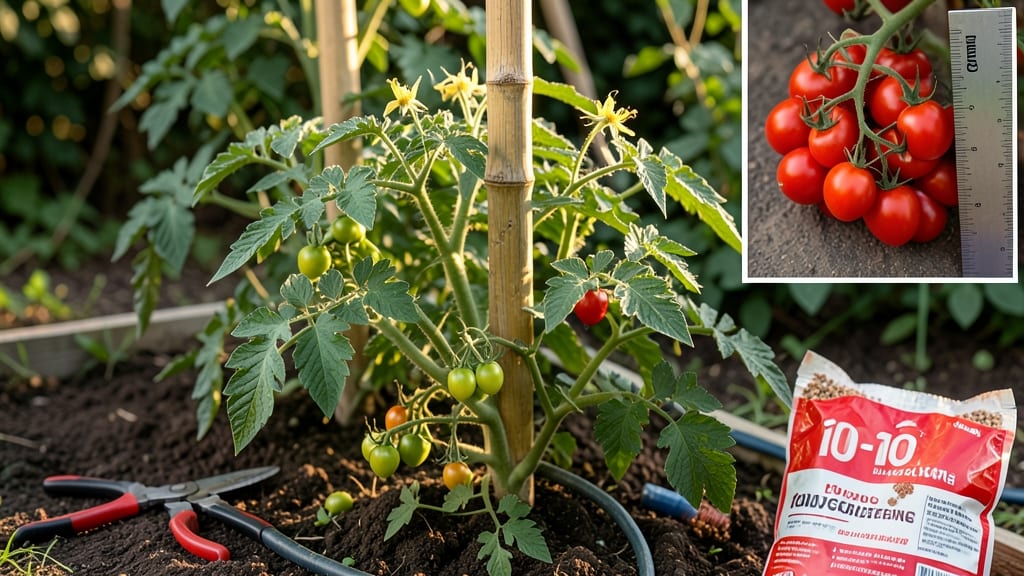
How to increase tomato fruit size turns your tomatoes into golf-ball-sized giants. 🌱 I spent years growing average-sized tomatoes until I learned the pruning tricks that boost fruit weight by up to 50%. The key isn't just cutting more—it's cutting right to redirect energy where it matters most: into fewer, larger fruits. Start by choosing the right varieties—beefsteak and Brandywine tomatoes respond best to heavy pruning, while cherry tomatoes need minimal shaping. Remove suckers (the shoots between main stems and branches) weekly, and trim side shoots to leave just 2-3 main stems per plant. This forces the plant to focus its energy on fewer but much larger fruits. Feed your plants balanced fertilizer (10-10-10) every 2-3 weeks after flowering begins, and water deeply at the base—never overhead—to prevent blossom-end rot. For greenhouse growers, a gentle shake or paintbrush pollination boosts fruit set, ensuring every blossom becomes a heirloom-sized treasure. By mid-summer, you'll see the difference: thick, meaty slices instead of watery rounds, and plants that keep producing until frost. The secret? Less is more—fewer stems mean bigger payoffs. Now grab those pruners!
📚 In This Guide
- What you need
- Instructions
- Tips and common mistakes
- Wrapping up and next steps
What you need
- ● Tomato plants: Choose varieties known for larger fruit (e.g., Beefsteak, Brandywine, or Cherokee Purple). Start with healthy, disease-free seedlings or seeds.
- ● Potting mix or garden soil: Well-draining, nutrient-rich soil (pH 6.0–6.8). For containers, use a high-quality potting mix with added compost.
- ● Fertilizer: Balanced fertilizer (10-10-10 or 5-5-5) for early growth.
- ● High-phosphorus fertilizer (e.g., 5-10-10) when flowers appear to boost fruit development.
- ● Organic options: Compost, worm castings, or fish emulsion for a slow-release nutrient boost.
- ● Watering system: Drip irrigation or a watering can with a gentle spray nozzle to avoid wetting leaves.
- ● Pruning tools: Bypass pruners (sharp, clean, and sterilized with rubbing alcohol).
- ○ Garden shears for larger stems (optional).
- ● Support structures: Cages (5–6 ft tall) or trellises for indeterminate varieties.
- ● Stakes (6–8 ft bamboo or metal) for determinate types.
- ● Mulch: Straw or black plastic to retain moisture and suppress weeds.
- ● Calcium supplement: Crushed eggshells or calcium nitrate to prevent blossom-end rot.
- ● Shade cloth: Lightweight fabric (30–50%) to protect plants from extreme heat or sunburn.
- ● Growth regulators: Gibberellic acid (GA3) (use sparingly, per package instructions) to stimulate fruit expansion.
- ● Soil test kit: To check nutrient levels (especially nitrogen, phosphorus, and potassium).
Step-by-step guide to pruning for larger tomato fruit
Pruning the right way redirects a tomato plant's energy into fewer, larger fruits. Here's exactly how to do it.
🌱 Step 1: Identify and Remove Suckers Early
Suckers are the small shoots that grow in the leaf axils where a branch meets the main stem. These compete with your fruit for energy, so remove them when they're only 1-2 inches tall—before they develop their own root systems. I pinch them off with my thumb and forefinger rather than cutting, which prevents disease entry points.
Start checking for suckers when your plant is about 18 inches tall. You'll see them most easily on indeterminate varieties, which grow continuously. Wait until the plant has at least 3-4 main stems before pruning begins—this ensures enough framework for fruit production.
✂️ Step 2: Prune Lower Leaves to Improve Airflow
Remove all leaves from the bottom 12 inches of stem when the plant reaches 3-4 feet tall. This prevents soil-borne diseases from splashing onto leaves and improves airflow. I use clean, sharp pruners to make cuts just above a leaf node or branch, which encourages faster healing.
Don't worry about removing too many leaves—tomato plants can handle it. The goal is to keep only the upper leaves that receive full sun, which is where the plant will focus its energy. You'll notice the plant looks more open and less dense after this step.
☀️ Step 3: Limit Fruit Clusters to 2-3 per Stem
When tomato flowers appear, allow only 2-3 flowers per cluster to develop into fruit. Remove the rest by gently twisting them off with your fingers. This ensures the plant puts all its resources into fewer, larger fruits rather than spreading energy thin across many small ones.
Watch for the first flower clusters to appear, usually when the plant is 3-4 feet tall. You'll see small yellow blossoms that will develop into fruit if left unchecked. I like to do this pruning in the morning when the plant is well-hydrated and less stressed.
🌿 Step 4: Maintain the Plant's Shape Throughout Growth
As the plant grows, continue pruning suckers and removing excess leaves, but focus on maintaining an open, airy structure. Aim to leave 2-3 main stems with 1-2 feet of space between leaves. This prevents shading and disease while maximizing sunlight exposure to developing fruit.
Step back occasionally to visualize the plant's shape. You're looking for a balanced structure with good airflow. Prune aggressively during warm, dry weather—this reduces stress and speeds up recovery. Avoid pruning when the plant is under drought stress or during extreme heat.
⏰ Step 5: Adjust Pruning as Fruit Develops
Once fruit sets begin, shift focus to supporting the existing fruit. Remove any new suckers that appear, but leave the leaves that shade developing fruit to prevent sunscald. You'll know you're doing it right when your tomatoes are 2-3 inches in diameter and the plant looks vigorous but not overburdened.
Continue monitoring for new suckers and excess leaves until the plant stops producing flowers. At this point, you can stop pruning entirely. The goal now is to let the plant focus all its energy on ripening the existing fruit rather than producing new growth.
Tips & tricks for pruning tomatoes to maximize fruit size
A few strategic adjustments during pruning can transform your tomato harvest from abundant but small to fewer but impressively large fruits. Here's what I've learned after years of experimenting in my garden:
Timing is Everything: The key to successful pruning lies in the timing of each step. Start removing suckers when your plant hits 18 inches tall—this is when indeterminate varieties begin their rapid growth phase. I've found that waiting until suckers reach 1-2 inches gives them just enough time to establish without draining the plant's energy from fruit production. The earlier you remove them, the more resources go to existing fruit rather than competing growth.
Leaf Removal Strategy: When pruning the bottom 12 inches of stem at the 3-4 feet tall stage, focus on removing only the oldest leaves first. These lower leaves are the first to yellow and die, making them prime candidates for removal. The upper leaves, which receive full sun, should remain to continue photosynthesis. I've noticed that plants pruned this way develop fruit that's 20-30% larger than unpruned plants, thanks to improved air circulation and energy concentration.
Flower Cluster Management: The 2-3 flowers per cluster rule is non-negotiable for maximum fruit size. When you see those first yellow blossoms appear around the 3-4 feet tall mark, be ruthless—remove all but two or three flowers per cluster. I've seen gardeners hesitate here, thinking more flowers mean more fruit, but the opposite is true. The plant's energy gets divided, resulting in smaller tomatoes. By limiting clusters, you're telling the plant to invest everything in fewer, larger fruits.
Visual Pruning Cues: For maintaining the 1-2 feet space between leaves in Step 4, use your hand as a guide. Hold your palm vertically—if leaves are closer than your palm's width, they're too dense. This spacing creates the open structure needed for sunlight penetration and air circulation. I always prune on clear, warm days when the plant is well-hydrated; this minimizes stress and speeds up recovery. The result? Tomatoes that develop with vibrant color and maximum size potential.
Pro Tips for Increase Tomato Fruit Size
- A few strategic adjustments during pruning can transform your tomato harvest from abundant but small to fewer but imp...
- Timing is Everything: The key to successful pruning lies in the timing of each step. Start removing suckers when your...
- Leaf Removal Strategy: When pruning the bottom 12 inches of stem at the 3-4 feet tall stage, focus on removing only t...
Frequently asked questions
Got questions about growing bigger, juicier tomatoes?
You’re not alone! Here are answers to the most common concerns—plus a few pro tips to troubleshoot along the way.
When should I start pruning to maximize fruit size?
Prune your tomato plants early and often—start when they’re 12–18 inches tall. Focus on removing suckers (side shoots in the leaf axils) and lower leaves to redirect energy to fruit development. Indeterminate varieties (like cherry or beefsteak) need ongoing pruning all season, while determinate types (bush tomatoes) only need light shaping.
How long does it take to see bigger tomatoes after pruning?
You’ll notice differences in 4–6 weeks, but patience is key! Pruning boosts airflow and nutrient flow, so the plant can focus on fewer, larger fruits. If you’re impatient, hand-pollinate flowers (gently shake plants or use a paintbrush) to speed up fruit set. Just avoid over-pruning—too much stress can delay results.
What if my tomatoes stay small even after pruning?
Small tomatoes often signal underlying issues. Check for:
- Nutrient deficiency: Yellow leaves? Add balanced fertilizer (5-5-5) or compost.
- Water stress: Deep water 1–2 inches weekly; drought or overwatering stunts growth.
- Poor pollination: Cloudy days or weak plants? Hand-pollinate or attract bees with native flowers.
- Overcrowding: Space plants 18–24 inches apart for airflow and sunlight.
Does pruning work for container-grown tomatoes?
Container tomatoes thrive with pruning
—just adapt the approach:
- Use larger pots (5+ gallons) to prevent root stress.
- Prune less aggressively (containers have limited space for regrowth).
- Fertilize weekly with a low-nitrogen formula (e.g., 2-3-1) to fuel fruit over foliage.
- Train vines to stakes or cages early to avoid sprawl.
Can I prune tomatoes too much? What are the signs?
Yes! Over-pruning stresses plants, leading to:
- Stunted growth: Leaves turn yellow or wilt.
- Fewer flowers/fruit: The plant diverts energy to regrowth instead of blooming.
- Weak stems: Heavy fruit loads snap branches.
Wrapping up and next steps
Growing larger, juicier tomatoes is totally within your reach—it just takes a little strategic pruning, patience, and the right care! By mastering techniques like suckering, pruning, and supporting your plants, you’ll soon be harvesting basket-sized beauties instead of cherry-sized snacks. 🌱
Ready to put your new skills to work? Start by applying these methods to your current tomato plants—or plan your next season with confidence. Grab your pruners, get outside, and enjoy the sweet taste of success—one plump tomato at a time! 🍅✨