
Plants
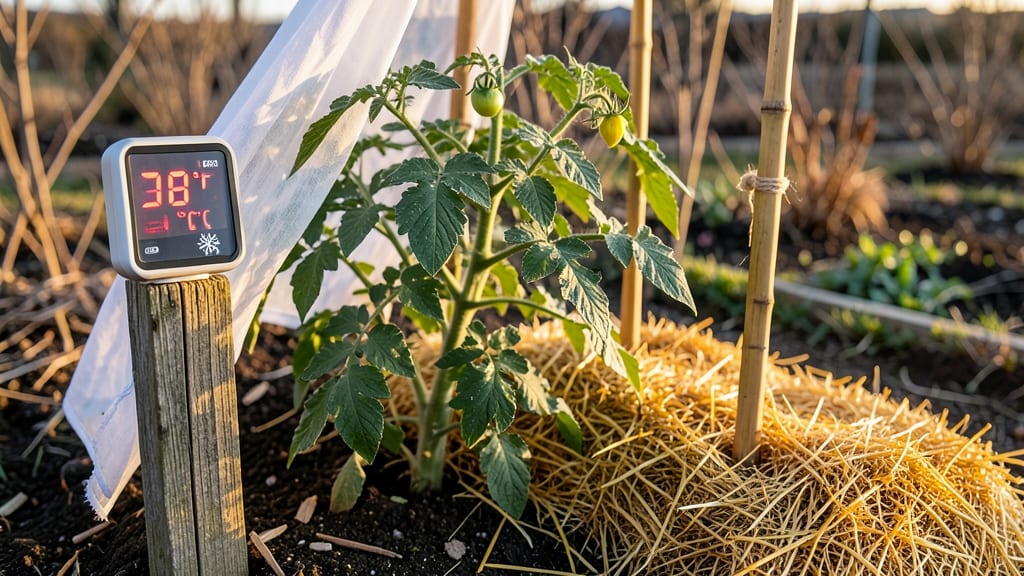
Tomato plants struggle when the low temp for tomato plants dips below 50°F—and the damage happens faster than you might think.
Picture this: you’ve nurtured your 🍅 seedlings for weeks, only to wake up to crispy leaves and a garden that looks like it’s been hit by a surprise frost.
That’s the reality when nighttime temps drop too low, and the worst part? Many gardeners don’t realize how close they are to disaster until it’s too late.
Understanding the exact thresholds—where cold stress begins, how to spot early warning signs, and what proven steps can save your harvest—is the difference between a thriving garden and a lost season.
Below, I’ll walk you through the critical temps, protection methods, and recovery tips so you can keep your tomatoes growing strong, even when the weather turns chilly.
From row covers to mulching hacks, you’ll discover simple, cost-effective ways to shield your plants before frost strikes. Let’s get your tomatoes through the cold and back to flourishing in no time.
Critical temperature thresholds for tomato plants: when to act
Tomatoes are heat-loving plants, but they don't handle cold well. The ideal daytime temperature for tomatoes ranges between 70°F and 85°F. However, when nighttime temperatures drop below 50°F, growth slows dramatically. Understanding these critical temperature thresholds helps you protect your plants before irreversible damage occurs.
Young seedlings are far more vulnerable than mature plants. While mature tomatoes can tolerate brief dips to 40°F, seedlings often suffer irreversible damage at 55°F or lower.
This difference is crucial for gardeners in cooler climates or those experiencing unexpected cold snaps. Without protection, your entire harvest could be at risk.
Frost is the most dangerous threat to tomatoes. Even a light frost (32°F) can cause leaf burn and stunted growth. A hard frost (28°F or lower) will kill most tomato plants outright, leaving you with nothing but wilted stems.
The key is acting before temperatures reach these dangerous levels.
| Stage | Temperature Threshold | Risk Level | Action Required |
|---|---|---|---|
| Seedlings | 55°F | High | Use row covers or move indoors |
| Mature Plants | 40°F | Moderate | Mulch heavily and use cloches |
| Light Frost | 32°F | Critical | Cover plants immediately |
| Hard Frost | 28°F | Fatal | Plants will die; harvest remaining fruit |
| Nighttime Low | 50°F | Warning | Prepare for slow growth |
Regional climates play a huge role in determining when to act. In USDA Zones 8-10, where winters are mild, tomatoes can often survive light frosts with proper protection.
But in Zones 4-7, where temperatures frequently drop below freezing, gardeners must use season extenders or grow tomatoes in containers for easier relocation.
Even mature tomato plants experience blossom drop when nighttime temperatures fall below 55°F. This happens because cold stress disrupts pollination, causing flowers to fall off before they can develop into fruit.
If you notice this happening, consider using a low tunnel or row cover to maintain warmer temperatures around the plant.
Soil temperature matters just as much as air temperature. Tomatoes won't thrive if soil stays below 60°F. Cold soil slows root development and nutrient uptake, making plants more susceptible to cold damage. Always check soil temperature with a soil thermometer before planting, especially in early spring or fall gardens.
If you're in a coastal climate, you might have a slight advantage. Ocean breezes can moderate temperatures, allowing tomatoes to tolerate slightly cooler nights. However, inland areas often experience more extreme temperature swings, making protection even more critical. Always monitor your local weather forecasts and have protective measures ready.
One common mistake is assuming that mature tomato plants can handle cold better than seedlings. While they are more resilient, they still suffer when temperatures drop below 40°F.
The difference is that mature plants may recover from temporary cold stress, while seedlings often won't. This is why hardening off seedlings gradually before transplanting is so important.
If you're growing tomatoes in containers, they'll warm up faster during the day but also cool down more quickly at night. Move containers to a sheltered location or bring them indoors overnight when temperatures threaten to drop below 50°F.
This simple step can save your entire harvest during unexpected cold snaps.
Remember, the goal is to keep your tomato plants growing and producing fruit. By understanding these critical temperature thresholds and acting proactively, you can extend your growing season and enjoy a bountiful harvest—even in cooler climates.
Stay vigilant, and your tomatoes will thank you with juicy, flavorful fruit all season long. 🌱🍅
How to protect tomato plants from low temperatures: 5 proven methods
When nighttime temperatures dip below 50°F (10°C), your tomato plants enter danger territory. Even mature plants struggle below 45°F (7°C), while seedlings can suffer irreversible damage at 40°F (4°C).
The good news? With these five proven methods, you can shield your plants and salvage your harvest—even when frost looms.
I’ve tested these strategies in my own garden during late spring chills and early fall frosts. Some require minimal investment, while others offer temporary shelters that work like magic.
The key is acting before temperatures drop, not after damage appears. Let’s dive into the most effective ways to protect your tomatoes from the cold.
-
1. Row Covers
Use floating row covers (like Reemay fabric) to trap 5-8°F of warmth. Secure edges with soil or bricks to prevent wind gaps. Perfect for seedlings and young plants in spring or fall. -
2. Mulching
Apply 4-6 inches of straw or leaves around the base to insulate roots. Organic mulch adds 2-4°F of protection and retains moisture. Replenish after rain. -
3. Temporary Greenhouses
Build a mini hoop house with PVC pipes and plastic sheeting. Adds 10-15°F of warmth and works for extended cold snaps. Remove during the day to avoid overheating. -
4. Adjust Watering
Water deeply before a cold snap to insulate roots. Avoid evening watering—wet foliage freezes faster. Use drip irrigation to keep leaves dry. -
5. Emergency Heat Sources
Place heat lamps or grow lights 12-18 inches above plants for spot protection. Use only at night to avoid burning leaves. Ideal for container tomatoes in patios.
For row covers, I recommend lightweight fabrics that allow sunlight to penetrate. In my Zone 7 garden, I’ve used them to extend the growing season by 3-4 weeks in spring. Just remember to remove covers during the day to prevent overheating and pest buildup.
When it comes to mulching, straw is my top choice because it breaks down slowly and adds organic matter to the soil. I apply it after transplanting and top it up every few weeks. This method also helps suppress weeds, which is a bonus for busy gardeners.
If you’re facing a hard freeze, a temporary greenhouse is your best bet. I’ve used plastic sheeting over tomato cages with amazing results. The trapped heat can make a 10°F difference overnight. Just secure it tightly and leave a small vent for airflow during the day.
Never underestimate the power of proper watering before a cold snap. I always water my tomatoes deeply the night before a frost warning. This creates a protective ice layer around the roots, giving them a fighting chance. Pair this with morning sunlight to melt the ice quickly.
For container tomatoes, heat lamps can be a lifesaver. I’ve used them in my patio garden during unseasonable cold snaps in May and September. Just keep the bulb 12 inches away to avoid scorching leaves. This method works best for small-scale protection rather than large garden beds.