
Pests
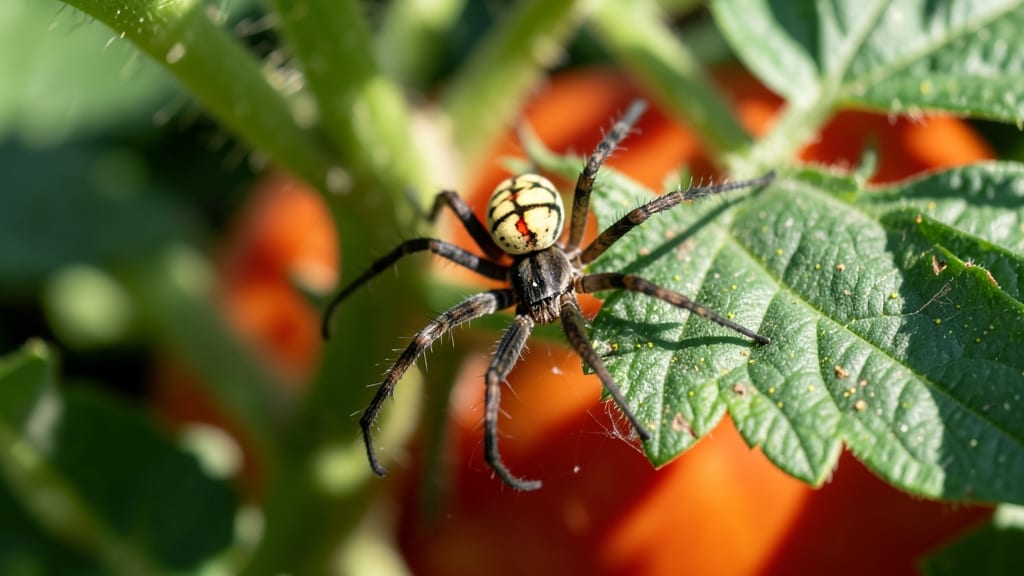
When you spot tiny spiders on your tomato plants, it’s not just creepy—it’s a sign your plants are under attack. 🕷️ These aren’t your friendly neighborhood spiders; they’re likely spider mites, and they’re sucking the life out of your tomatoes.
I’ve battled these pests for years, and I’ve learned which natural deterrents actually work without harsh chemicals. The good news? You don’t need to reach for toxic sprays right away.
A strong blast of water can knock them off, and introducing beneficial insects like ladybugs or lacewings can turn the tide. Even a simple neem oil spray (mixed correctly) can stop them in their tracks.
The key is acting fast—before the mites spin webs and your plants start looking like they’ve been dusted with flour. By the time you’re done, your tomato plants will be thriving again, with fewer pests and more vibrant green leaves.
You’ll also avoid the heartbreak of watching your harvest shrink because of these tiny invaders. Trust me, once you see the difference, you’ll never ignore those first warning signs again. This works for backyard gardens, containers, and even raised beds.
The methods are simple, but they require consistency—check your plants regularly and stay proactive. Your tomatoes will thank you with bigger, healthier fruit all season long.
Root Causes Of Spider Infestations
Spiders don’t just randomly appear on your tomato plants—they’re drawn by specific conditions that make your garden an inviting buffet or shelter. Understanding these triggers is the first step to reclaiming your thriving tomato patch.
Let’s break down the primary reasons these eight-legged intruders show up and why they stick around.
Spiders thrive in chaotic, cluttered environments because they love hiding in dense foliage, weeds, and leaf litter. When tomato plants grow unchecked—especially with sprawling vines or tangled stems—they create the perfect spider hotel. Here’s why:
- Shelter: Webs anchor to rough stems, leaves, or even trellises, offering protection from predators (like birds or lizards) and harsh weather.
- Food source: Unpruned plants attract more insects (aphids, whiteflies, beetles)—which spiders eat. A busy buffet = more spiders.
- Moisture retention: Dense foliage traps humidity, creating ideal conditions for spider egg sacs to survive and hatch.
Actionable fix: Regularly prune tomato plants to improve airflow and remove debris. Keep the area around your plants clean and tidy—spiders hate open spaces!
Spiders are predators, and if your tomato plants are hosting a feast of their favorite snacks, they’ll move in permanently. Common garden pests that attract spiders include:
| Pest | Why Spiders Love Them |
|---|---|
| Aphids | Soft-bodied and easy to catch; spiders target colonies first. |
| Whiteflies | Cluster on undersides of leaves—spiders build webs to trap them mid-flight. |
| Beetles (e.g., Colorado potato beetles) | Slow-moving and exposed; spiders ambush them on leaves. |
| Caterpillars | Large prey = a big meal for hungry spiders. |
Actionable fix: Use natural pest controls (like neem oil, insecticidal soap, or beneficial insects like ladybugs) to reduce spider food sources. A balanced ecosystem means fewer spiders!
Spiders are cold-blooded and seek out warm, stable environments to hunt and reproduce. Your tomato plants might be creating the perfect spider sauna without you realizing it:
- Greenhouse effect: Tall plants or mulch trap heat near the soil, making the base of your tomatoes ideal for spider egg sacs (which hatch faster in warmth).
- South-facing gardens: Areas with direct sunlight during the day and retention of heat at night become spider magnets.
- Drip irrigation or overhead watering: Moisture + warmth = a thriving spider habitat.
Actionable fix:
- Space plants 3–4 feet apart for airflow and sunlight distribution.
- Avoid watering leaves at night (use drip irrigation instead).
- Remove mulch from the base of plants if it’s trapping too much heat.
Spiders don’t just appear on tomato plants—they migrate from nearby hiding spots. Common sources include:
- Woodpiles or stone walls: Spiders build webs in cracks and crevices, then glide (via silk threads) to your garden.
- Grassy or weedy borders: Tall grasses and wild plants house spider populations that spread to crops.
- Sheds or garages: Dark, undisturbed spaces are spider breeding grounds.
- Nearby trees or shrubs: Orb-weaver spiders (like garden spiders) anchor webs between plants, including tomatoes.
Actionable fix: Create a spider-free buffer zone around your garden by:
- Trimming back overgrown vegetation within 10 feet of tomato plants.
- Storing firewood away from the garden and elevating it off the ground.
- Sealing gaps in fences, sheds, or outdoor structures with caulk or mesh.
Pro Tip: 🔍 Inspect your garden at dusk—that’s when spiders are most active! Look for silk threads (like fine fishing line) connecting plants to structures. If you spot them, you’ve found their entry points.
Quick Fixes for Spider Infestations
Spotting spiders on your tomato plants can feel like a creepy invasion, but the good news? You don’t need harsh chemicals to kick them out. Below are targeted solutions based on the most common causes—from overcrowded webs to hungry predators lurking nearby.
Each fix is designed to be easy, natural, and effective, so you can protect your plants without harming pollinators or your garden’s ecosystem.
---
Webs are a spider’s way of claiming territory, and tomato plants are prime real estate. Here’s how to remove them without damaging your crop:
#### 🔥 Step 1: Manual Removal (Best for Small Infestations) - 👨🍳 Grab a pair of gloves (spiders don’t like direct contact!) and pluck webs gently with your fingers or a small brush. - 🥘 Dispose of webs immediately—don’t toss them back into the garden.
Seal them in a plastic bag or burn them (safely!) to prevent reinfestation. - ⏰ Do this in the early morning when spiders are least active.
#### 🌿 Step 2: Disrupt Their Habitat Spiders love dark, sheltered spots. To make your tomato plants less appealing: - 💡 Install yellow sticky traps near the plants.
Spiders are attracted to yellow and will get stuck instead of your tomatoes. - 🌡️ Prune dense foliage to improve airflow and sunlight—spiders thrive in shady, humid conditions. - ✨ Add reflective tape or aluminum foil strips around the plant edges.
The flashing light confuses spiders and deters them from settling in.
#### 🎯 Prevention Tip: - 🌱 Space your tomato plants properly (18–24 inches apart) to reduce hiding spots. - 🔥 Rotate crops annually to break spider life cycles.
---
Spiders often move in when other pests (like aphids or mites) become a buffet. Here’s how to outsmart them:
#### 🍳 Step 1: Target the Real Problem (The Pests They’re Eating) - 🔥 Inspect your plants for aphids, mites, or whiteflies—common spider snacks.
Use a strong stream of water to knock them off or apply neem oil spray (1 tsp neem oil + 1 tsp mild soap per quart of water). - 👨🍳 Introduce natural predators like ladybugs or lacewings, which will compete with spiders for food.
#### 🥘 Step 2: Use Spider-Repelling Plants Some plants naturally deter spiders with their scent. Plant these nearby: - 🌿 Basil, mint, or marigolds (spiders hate their strong fragrance). - 🌱 Garlic or chives (their sulfur compounds repel spiders).
#### 💡 Pro Tip: - 🌡️ Sprinkle diatomaceous earth (food-grade) around the base of your tomato plants. It’s a non-toxic powder that dehydrates spiders on contact.
---
Overwatering or rotting plant matter can attract spiders looking for a damp hideout. Here’s how to dry them out:
#### 🔪 Step 1: Adjust Your Watering Routine - ⏰ Water in the morning (not at night) to let foliage dry quickly. - 🌡️ Avoid overhead watering—use drip irrigation or soaker hoses to keep leaves dry. - 💡 Check for rot—remove any mushy, discolored stems or fruits where spiders might nest.
#### 🥘 Step 2: Improve Drainage - 🌱 Add compost or sand to heavy clay soil to improve drainage. - ✨ Use mulch (straw or wood chips) to keep soil moisture even but not soggy.
#### 🎯 Prevention Tip: - 🔥 Avoid planting tomatoes in low-lying areas where water pools after rain.
---
Some spiders migrate when temperatures drop or rise. Here’s how to keep them away year-round:
#### 🌿 Step 1: Create a Spider-Free Barrier - 💡 Wrap the base of your tomato plants with copper tape (spiders dislike the metal). - 🌡️ Install fine mesh netting over young plants to block spiders before they climb up.
#### 🥘 Step 2: Encourage Natural Predators - 👨🍳 Attract birds, frogs, or ground beetles—they eat spiders and keep populations in check. - 🌱 Plant diverse flowers (like cosmos or sunflowers) to support a balanced garden ecosystem.
#### 💡 Pro Tip: - ✨ Hang a bat house near your garden. Bats devour thousands of spiders each night!
---
If spiders are everywhere and manual methods aren’t working, try this last-resort spray (safe for edibles after 24 hours):
🍳 DIY Spider Repellent Spray - 1 quart of water - 1 tbsp castile soap - 10 drops peppermint or citrus essential oil (spiders hate these scents!) - 👨🍳 Mix and spray directly on webs and foliage (avoid spraying flowers if bees are active). - ⏰ Reapply every 3–4 days until spiders retreat.
--- Final Thought: Spiders in your tomato garden aren’t just a nuisance—they’re often a sign of an underlying issue (like pests or poor drainage).
By addressing the root cause and using these natural, practical fixes, you’ll not only eliminate spiders but also strengthen your plants’ health for a bountiful harvest. 🍅✨
Frequently asked questions about spiders on tomato plants
Are the spiders on my tomato plants harmful to my tomatoes?
Most garden spiders (like orb-weavers) are harmless to your plants, but tiny spider mites are the real troublemakers. Spider mites suck plant sap, causing yellowing leaves and stunted growth. If you see fine webbing or speckled leaves, those are mites—not harmless spiders. Act fast with a strong water spray or neem oil to prevent damage.
What’s the fastest way to get rid of spiders on my tomato plants?
A strong blast of water from your hose is the quickest fix! Spiders hate water, so spray the undersides of leaves and stems where they hide. For stubborn webs, use a damp cloth to wipe them away. Do this in the morning for best results—spiders are less active then and dry faster.
Will spider predators like ladybugs actually help my tomato plants?
Ladybugs, lacewings, and even birds are natural spider predators. Introduce them by planting flowers like cosmos or marigolds nearby, which attract their prey (aphids and mites—the spiders’ favorite snacks). Just avoid pesticides, as they’ll kill both pests and your helpful predators.
Can I use essential oils to repel spiders from my tomato plants?
Yes! Spiders dislike strong scents like peppermint, citrus, or tea tree oil. Mix 10 drops of oil with 1 quart of water and 1 tablespoon of castile soap, then spray the foliage. Reapply every 3-4 days until spiders retreat. Just avoid spraying when bees are active to protect pollinators.
Why do spiders keep coming back even after I remove them?
Spiders often return because they’re drawn to other pests (like aphids or whiteflies) or because your garden provides shelter. Check for hidden food sources, improve airflow by pruning, and create a spider-free buffer zone by trimming nearby weeds or storing firewood away from plants. Consistent maintenance is key!