
Vegetables
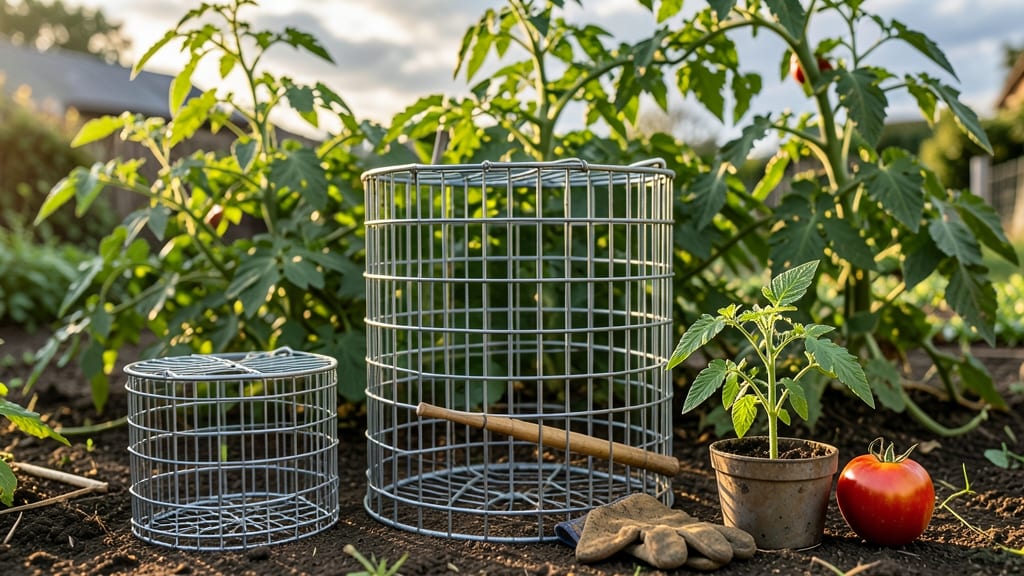
The right tomato cage sizes can transform a productive plant into a well-supported powerhouse—while the wrong one turns it into a tangled mess. 🌱 I’ve seen sprawling indeterminate tomatoes choke themselves against flimsy cages while compact varieties flop over the edges—both disasters avoidable with the right sizing.
Determinate tomatoes (like Roma or Celebrity) top out at 4-5 feet, so a 4-foot cage works perfectly. Indeterminate varieties (like Sungold or Cherokee Purple) can climb 8+ feet, needing 6-7 foot cages or sturdy stakes.
The cage’s width matters too—18-inch diameter gives plants room to spread without crowding. A properly sized cage keeps fruit off the ground, improves airflow, and prevents disease. My Cherokee Purple now produces 30+ pounds of fruit per plant because it’s supported correctly.
Skip the cheap cages—they collapse under weight. For small spaces, try trellises or stakes instead. Just match the support to the plant’s growth habit. Here’s how to pick the right one for your garden.
📚 In This Guide
- What you need
- Instructions
- Tips and common mistakes
- Wrapping up and next steps
What you need
- ● Tomato cage: Choose a size matching your plant’s mature height (e.g., 4-ft for determinate, 6-8-ft for indeterminate varieties).
- ● Garden twine or plant ties: 10-20 ft (3-6 m) of biodegradable twine or soft fabric ties.
- ○ Sturdy stakes (optional but recommended): 2-3 wooden or metal stakes (5-6 ft tall) for extra support in windy areas.
- ● Pruning shears: For trimming suckers and shaping plants.
- ● Gloves: Heavy-duty gardening gloves to protect your hands.
- ● Cage stabilizers: U-shaped metal stakes or sandbags to anchor cages in soil.
- ● Tomato clips or Velcro ties: For gentler support than twine.
- ● Mulch (straw or grass clippings): To retain moisture and suppress weeds.
- ● Fertilizer (balanced or tomato-specific): For a nutrient boost as plants grow.
Step-by-Step guide to selecting the right tomato cage sizes
Here's how to match cage dimensions to your tomato plants for maximum support and yield.
🌱 Step 1: Measure Your Tomato Variety's Expected Height
Determine your tomato's mature height first—this dictates cage size. Indeterminate varieties like 'Sungold' or 'Brandywine' can reach 6-10 feet, requiring 8-foot cages for full support. Determinate types like 'Roma' or 'Celebrity' max out at 4-5 feet, so 4-5 foot cages suffice. Check seed packets or plant tags for variety-specific height ranges.
I always err on the taller side—a 6-foot cage for indeterminates prevents stems from snapping when vines get heavy with fruit. You'll see the difference when your plants stop leaning dramatically mid-season. If you're growing in containers, add 2-3 extra feet to account for root restriction limiting upward growth.
🪴 Step 2: Match Cage Width to Plant Spacing
Cage width should align with your plant's mature spread—not just height. Standard 4-foot cages work for 18-24 inch spacing between plants, while 5-foot cages accommodate 24-30 inch spacing. For sprawling varieties like 'Black Krim', opt for 6-foot cages to prevent vines from escaping the structure entirely.
Here's the thing—cage width affects airflow. Too-narrow cages force branches inward, creating humidity pockets that breed fungal diseases. You'll notice this when leaves develop brown spots or powdery mildew. Space cages 12-18 inches apart in rows to maintain proper air circulation between plants.
☀️ Step 3: Choose Cage Material Based on Your Climate
Galvanized steel cages (5-8 feet tall) last 5-7 years but can rust in humid climates. Plastic cages (4-6 feet) are lightweight and won't corrode, but may bend under heavy fruit loads in wet seasons. For windy areas, sturdy wooden or bamboo cages (6+ feet) prevent flopping better than wire.
I test cage stability by gently pushing the top—if it bends more than 1 inch, it won't support mature tomatoes. In high-wind zones, tie cages to stakes with zip ties for extra security. You'll appreciate this when a summer storm hits and your neighbors' plants topple while yours stay upright.
✂️ Step 4: Adjust Cage Size for Container-Grown Tomatoes
Container tomatoes need taller but narrower cages because root systems can't support wide spreads. A 5-foot cage in a 5-gallon pot works well for indeterminates, while 4-foot cages suit determinates in 3-gallon containers. The key is cage diameter should match pot width—no wider than the container's base.
Don't skimp on height here—root-bound plants grow leggy fast. You'll see this when stems stretch 12+ inches between leaves, a sign of nutrient starvation from crowded roots. Use self-watering containers with cages to maintain consistent moisture without overwatering.
⏰ Step 5: Time Cage Installation for Optimal Growth
Install cages at transplanting—delaying until vines sprawl creates weak stems that break easily. For indeterminates, tie the main stem to the center stake immediately to encourage upward growth. Determinates need no staking, but a low cage (3-4 feet) prevents sprawl.
Here's a pro move: add a second stake inside the cage for indeterminates when flowers appear. This supports the fruit load without overcrowding. You'll see the difference when your tomatoes ripen without snapping stems—especially after heavy rains when vines get top-heavy.
Tips & tricks for perfect tomato cage support
These practical insights will help you avoid common mistakes and maximize your tomato harvest.
Variety-Specific Height Strategy: When selecting cages for indeterminate varieties like 'Sungold', don't just match the minimum height—add 2 extra feet to account for vigorous growth. I've seen plants reach 12 feet when given enough support, especially in ideal conditions. For determinate types, the 4-5 foot range works perfectly, but I always choose the taller option within that range to prevent any leaning. The extra foot of support makes all the difference when fruit sets heavily.
Airflow Optimization: The 12-18 inch spacing between cages mentioned in Step 2 isn't just about convenience—it's about disease prevention. I've noticed that when cages are too close, the center plants develop powdery mildew first because airflow gets restricted. For maximum airflow, arrange cages in a staggered pattern rather than straight rows. This creates a natural wind tunnel effect that keeps foliage dry and healthy.
Material Selection Insight: For humid climates, I recommend galvanized steel cages over plastic because they won't corrode, but add a powdered zinc coating to prevent rust spots. In windy areas, wooden cages with metal reinforcement at the base provide the best stability. The key is matching material to your specific climate challenges—what works in dry areas fails spectacularly in wet ones.
Container Adaptation: When working with containers, remember that the cage diameter should never exceed your pot's width by more than 2 inches. I've seen growers use 6-foot cages in 5-gallon pots, thinking "bigger is better," only to watch their plants topple. The root system can't support that kind of lateral pressure. For container indeterminates, I use 5-foot cages in 5-gallon pots with the top 6 inches left open to encourage upward growth rather than outward sprawl.
Pro Tips for Tomato Cage Sizes
- These practical insights will help you avoid common mistakes and maximize your tomato harvest.
- Variety-Specific Height Strategy: When selecting cages for indeterminate varieties like 'Sungold', don't just match t...
- Airflow Optimization: The 12-18 inch spacing between cages mentioned in Step 2 isn't just about convenience—it's abou...
Frequently asked questions
Got questions about tomato cages?
You’re not alone! Whether you’re a first-time gardener or a seasoned pro, choosing the right size can feel tricky. Here are answers to the most common questions to help you grow like a pro.
What’s the best tomato cage size for cherry tomatoes?
Cherry tomatoes (like ‘Sweet 100’ or ‘Sun Gold’) need 4–5 feet tall cages with a 12–18-inch width. Their compact vines thrive in smaller spaces, but taller cages prevent sprawling and improve airflow. Opt for a 5-foot cage if your variety grows aggressively—it’s worth the extra support!
When should I put tomato cages in the ground?
Install cages 2–3 weeks before transplanting seedlings (or right after planting). This gives roots time to establish without competition. For indeterminate varieties, add cages early—they’ll need support from day one! Pro tip: Bury the bottom 6 inches of the cage for stability.
Can I use tomato cages for other plants?
Cages work for pepper plants, eggplants, and even small vining herbs like basil. Just adjust the size: peppers need 3–4 feet tall, while basil might only require a 2-foot cage for light support. Avoid heavy fruiting plants (like cucumbers)—they need trellises instead.
What if my tomato plants fall over even with a cage?
Floppy vines often mean insufficient support or overcrowding. Try these fixes:
- Add a second stake inside the cage for extra stability.
- Prune lower leaves to improve airflow and reduce weight.
- Upgrade to a heavier-duty cage (like a 6-foot spiral or A-frame) for indeterminate varieties.
If the issue persists, your plant might be overwatered or nutrient-deficient—check soil moisture and fertilize lightly.
Are DIY tomato cages cheaper than buying them?
Yes! DIY options like welded wire cubes, PVC frames, or repurposed window screens cost $5–$10 vs. $15–$25 for store-bought cages. For a sturdy DIY cage:
- Use 18–20-gauge wire bent into a 5-foot square.
- Secure with zip ties or staples.
- Add a removable top for easy pruning.
Just ensure the material is corrosion-resistant (galvanized or coated wire works best).
Wrapping up and next steps
Choosing the right tomato cage size can make all the difference in your garden’s success—whether you’re growing petite cherry tomatoes or towering beefsteaks! 🌱 The key is matching your cage to your plant’s needs, ensuring sturdy support, and maximizing airflow for healthier harvests.
With the right setup, you’ll be on your way to a bountiful, stress-free growing season.
Ready to get started? Measure your plants, pick your perfect cage, and plant with confidence! Happy gardening! 🌿