
Shrubs
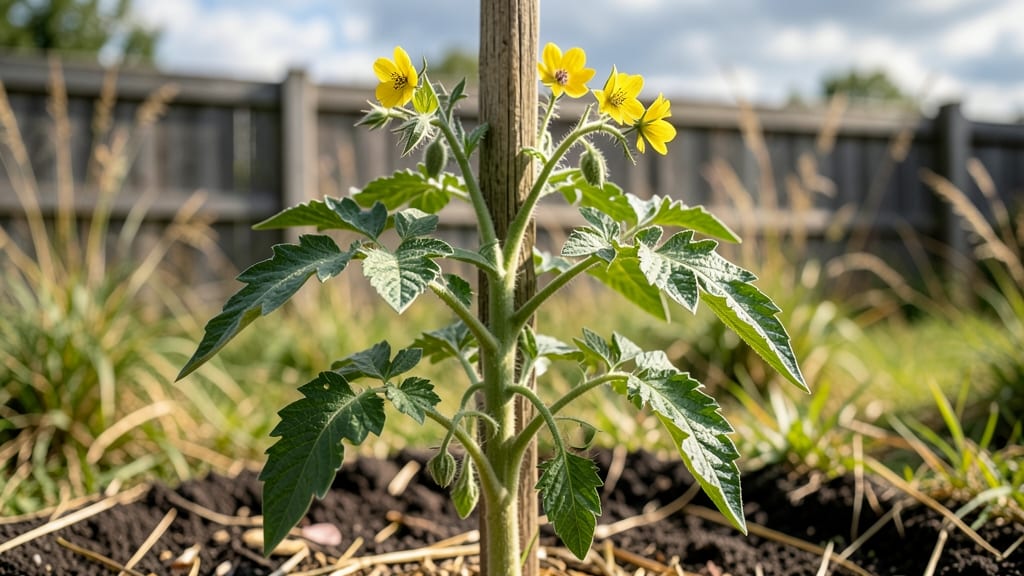
Tomato flowering early can turn your promising seedlings into a sad string of tiny blossoms that drop before fruiting—leaving you with nothing but frustration. 🌱 I’ve seen this happen after a heatwave, when plants get too much sun too soon, or when they’re suddenly starved for nutrients.
The good news? It’s usually fixable with a few simple tweaks to light, water, and feeding routines.
Most gardeners blame heat stress first, and they’re right—tomatoes need time to build sturdy stems before flowering. But poor watering (too much or too little) and uneven fertilizer can trigger early blooms too.
The key is consistency: keep soil evenly moist, avoid heavy nitrogen, and gradually introduce sunlight. Once you adjust these, you’ll see stronger vines and delayed—but healthier—flowering.
By the time your plants are 12-18 inches tall with 5-6 true leaves, they’re ready for their first flush of blooms. Pinch off those early flowers, and redirect the plant’s energy into leaf and stem growth.
Within weeks, you’ll get a second, more productive wave of flowers that actually turn into tomatoes. It’s a game-changer for first-time gardeners and veterans alike.
This works for both indoor starts and outdoor seedlings, whether you’re growing in containers or the ground. The trick is patience—let your plants focus on growing before they focus on fruiting. Trust the process, and you’ll avoid the heartbreak of blossom drop season after season.
Triggers Behind Premature Blooms
Understanding why your tomato plants are flowering early is the first step to preventing stress and blossom drop. Several key factors—both environmental and plant-related—can push tomatoes into an untimely flowering phase. Let’s break down the science behind these triggers so you can take action.
---
Tomatoes are sensitive to temperature fluctuations, and extreme heat (above 85°F/29°C) or rapid temperature swings can shock the plant into flowering early. Here’s how it works:
- Day Length Sensitivity: Tomatoes are short-day plants, meaning they respond to daylight hours.
While they don’t require short days, unseasonably warm nights can trick the plant into thinking it’s late spring or early summer, prompting early blooms. - Heat Stress: High daytime temperatures (especially above 90°F/32°C) disrupt pollen production and fertilization.
The plant may flower prematurely as a survival mechanism, but the blossoms often drop if conditions aren’t ideal for fruit set. - Cold Snaps: Conversely, a sudden drop below 50°F/10°C can stall growth and force early flowering as the plant tries to "hurry up" before cooler weather sets in.
Pro Tip: 🌡️ Use shade cloth during heatwaves or row covers at night to stabilize temperatures. Aim for 60–80°F (15–27°C) during the day and 55–70°F (13–21°C) at night for optimal growth.
---
Tomatoes rely on photosynthesis to fuel growth, and light conditions play a critical role in their flowering cycle.
- Insufficient Light: If seedlings or young plants don’t get 6–8 hours of direct sunlight, they may flower early as a stress response.
Weak stems and small leaves signal the plant to prioritize reproduction over growth. - Long Daylength Triggers: Some indeterminate varieties (like Cherry Tomatoes or Beefsteak) may flower earlier in longer daylight hours (14+ hours), especially in northern climates where summer days stretch well into the evening. - Artificial Lighting: Grow lights with too much blue spectrum can accelerate flowering, while red-heavy lights promote vegetative growth.
If using LEDs, balance the ratio to delay blooms if needed.
Action Step: 🌱 Monitor sunlight exposure—if your plants are leggy or pale, they’re light-deprived. Supplement with grow lights (12–14 hours/day) if natural light is insufficient.
---
Watering habits and soil nutrition directly impact tomato flowering timing. Here’s how mismanagement can lead to early blooms:
- Overwatering or Underwatering: - Too much water can leach nutrients and dilute soil chemistry, causing stress that triggers early flowering. - Drought stress forces the plant to conserve energy, often leading to premature blooms as a survival tactic. - Nitrogen Deficiency: Nitrogen is crucial for leafy growth.
If your soil lacks nitrogen (common in over-fertilized or depleted soils), the plant may shift energy to flowering instead of foliage. - Excess Phosphorus: While phosphorus supports flowering, too much (from bone meal or overuse of 5-10-5 fertilizer) can push tomatoes into blooming too soon, often resulting in weak, drop-prone flowers.
Soil Test Tip: 📊 Test your soil’s NPK levels before planting. Aim for a balanced 10-10-10 or 5-5-5 fertilizer and side-dress with compost for steady nitrogen.
---
Physical stress—like improper handling or sudden changes—can disrupt a tomato’s growth cycle.
- Transplanting Too Early: Moving seedlings outdoors before last frost exposes them to cold or heat stress, prompting early flowering.
Roots take time to establish, and stressed plants may flower to "recover." - Root Disturbance: Rough handling during transplanting can damage roots, signaling the plant to prioritize reproduction over recovery. - Pests or Disease: Infestations (like aphids or whiteflies) or fungal issues (e.g., early blight) weaken the plant, often leading to premature blooms as a defensive mechanism.
Prevention Checklist: ✅ Harden off seedlings gradually, use root stimulants (like mycorrhizal fungi), and inspect plants weekly for pests.
--- Not all tomatoes are created equal—some varieties are early bloomers by nature.
- Determinate vs. Indeterminate: - Determinate varieties (like Roma or Celebrity) are bred to flower and fruit in a short window, often bolting early in the season. - Indeterminate types (e.g., Sungold, Brandywine) can keep producing all season but may flower early if stressed. - Heirloom vs. Hybrid: Some heirloom tomatoes (like Brandywine) have longer juvenile phases, while hybrids may flower faster for commercial harvests.
Variety Note: 🌱 If you’re growing heirlooms, research their days to maturity and plant accordingly. For indeterminates, prune suckers to delay flowering if needed.
Quick fixes for early tomato blooms
Early flowering in tomatoes can be frustrating, but the good news is that most issues have simple, actionable solutions. Below, we’ve mapped common causes to their fixes—plus prevention tips to keep your plants thriving. Let’s turn those early blooms into a bountiful harvest!
---
Cause: Tomatoes need stable temperatures (60–85°F) to set fruit. Early blooms in extreme heat or cold cause blossom drop or poor fruit development.
How to Fix It: - 🌡️ Shade Cloth for Heat: If temps exceed 85°F, drape 30–50% shade cloth over plants during peak sun (10 AM–4 PM). This cools the air and reduces stress. - 🌡️ Mulch to Regulate Soil Temp: Apply 2–3 inches of straw or grass clippings around the base to keep roots cool. Avoid plastic mulch—it traps heat. - 🌡️ Move Potted Tomatoes: If growing in containers, relocate them to a shadier spot or bring them indoors (near a sunny window) during heatwaves. - 🌡️ Cold Protection: If nights dip below 50°F, cover plants with frost blankets or row covers. Remove them during the day to avoid overheating.
💡 Prevention Tip: - 🌱 Choose Heat-Tolerant Varieties: Try ‘Solar Fire,’ ‘Heatmaster,’ or ‘Arkansas Traveler’—they handle warmth better than standard tomatoes.
---
Cause: Inconsistent watering leads to uneven nutrient uptake, causing early blooms to drop or fruits to crack.
How to Fix It: - 💧 Deep Watering Routine: Water 1–1.5 inches per week (more in extreme heat). Use a soaker hose or drip irrigation to deliver water directly to the roots—avoid overhead sprinklers. - 💧 Morning Watering Only: Water before 10 AM to prevent fungal diseases (like blight) and ensure roots absorb moisture efficiently. - 💧 Check Soil Moisture: Stick your finger 1–2 inches into the soil. If it’s dry, water; if soggy, wait. Tomatoes hate “wet feet.”
💡 Prevention Tip: - 🌱 Improve Drainage: Amend heavy soil with compost or perlite to prevent waterlogging, which stresses plants.
---
Cause: Early blooms often signal a nutrient mismatch—too much nitrogen (for leaves) and not enough phosphorus (P) or potassium (K) for fruit development.
How to Fix It: - 🌱 Fertilizer Adjustment: Switch to a balanced or phosphorus-heavy fertilizer (look for a 5-10-10 or 3-4-6 ratio). Examples: - Bone meal (for phosphorus) – Sprinkle 1–2 tbsp per plant at the base, then water. - Banana peel tea (for potassium) – Steep peels in water for 2–3 days, then use as a foliar spray or soil drench. - 🌱 Avoid Over-Fertilizing: More nitrogen = more leaves, fewer tomatoes. Stop high-nitrogen feeds (like blood meal) once flowers appear.
💡 Prevention Tip: - 🌱 Soil Test First: Before planting, test your soil’s pH (6.0–6.8 ideal) and nutrient levels. Adjust with lime (for acidity) or compost (for organic matter).
---
Cause: Cramped plants compete for resources, leading to weak stems, disease, and early (but often unsuccessful) blooms.
How to Fix It: - 🌿 Prune Wisely: Remove suckers (shoots between stem and branches) to improve airflow. For indeterminate tomatoes, prune to 1–2 main stems; for determinate, leave as-is but thin leaves near the base. - 🌿 Space Plants Properly: Give 18–24 inches of space between plants (or 2–3 feet in rows). If growing in containers, use 1 plant per 5-gallon pot. - 🌿 Thin Seedlings Early: If seedlings are packed, snip all but the strongest 2–3 plants per cell before transplanting.
💡 Prevention Tip: - 🌱 Start Small: If space is limited, opt for bush (determinate) tomatoes like ‘Patio’ or ‘Roma’—they stay compact.
---
Cause: Early blooms can be a stress response to pests (aphids, whiteflies) or diseases (early blight, fusarium wilt).
How to Fix It: - 🐞 Inspect Leaves & Stems: Look for yellowing, spots, or sticky residue (signs of pests/disease). Act fast! - 🐞 Organic Pest Control: - Neem oil spray (mix 1 tbsp neem oil + 1 tsp mild soap + 1 quart water). Spray every 5–7 days until pests vanish. - Introduce beneficial insects like ladybugs or lacewings to eat aphids. - 🌿 Remove Infected Parts: Prune and dispose of diseased leaves (don’t compost them!). Sterilize pruners with rubbing alcohol between cuts.
💡 Prevention Tip: - 🌱 Rotate Crops: Avoid planting tomatoes in the same spot yearly to prevent soil-borne diseases.
--- Cause: Early blooms can signal light stress—either not enough sun (weak stems, small flowers) or too much direct sun (heat stress).
How to Fix It: - ☀️ Ensure 6–8 Hours of Sun: Tomatoes need full sun. If indoors, use grow lights (12–16 hours/day). - 🌿 Adjust Plant Placement: Move pots to a sunnier spot or thin nearby plants blocking light. - 🌿 Use Reflective Surfaces: Place white reflective mulch or mirrors near plants to bounce light onto leaves.
💡 Prevention Tip: - 🌱 Start Indoors Early: If growing from seed, give seedlings 14–16 hours of light/day before transplanting.
--- If blooms appear but fruit doesn’t set, help them along: 1. 👨🍳 Grab a small paintbrush or cotton swab. 2. 🌸 Gently tap each flower cluster or brush the male (yellow) and female (green) parts together.
3. 💧 Do this in the morning when flowers are open and humidity is low.
--- Remember: Early blooms aren’t always bad—they just need a little TLC to turn into juicy, vine-ripened tomatoes! 🍅✨ Try one fix at a time and monitor your plants’ response. Happy gardening!
Frequently asked questions
Why do my tomato seedlings flower before they even have true leaves?
This usually happens when seedlings get too much light (especially blue spectrum) or heat stress from warm windowsills. The plant senses it’s time to reproduce instead of growing. Move seedlings to a cooler spot with 12–14 hours of light/day and pinch off the first flowers to redirect energy to leaf and stem growth.
Will removing early flowers actually help my tomatoes produce more later?
Pinching off the first 2–3 flower clusters lets your plant focus on building a stronger root and stem system. This creates a more productive second wave of blooms that actually set fruit. Just wait until the plant has 5–6 true leaves and is 12–18 inches tall before removing flowers.
Can I still save my tomatoes if the early flowers drop?
Yes, but you’ll need to act fast. If flowers drop due to heat stress (above 85°F), provide afternoon shade and water deeply. For nutrient issues, switch to a phosphorus-rich fertilizer (5-10-10) and avoid high-nitrogen feeds. The plant will often produce a healthier second flush of blooms within 2–3 weeks.
Are some tomato varieties more prone to early flowering?
Determinate varieties like Roma or Celebrity often flower early because they’re bred for quick production. Indeterminate types (like Sungold) can also bolt early if stressed, but they usually recover better. For delayed flowering, choose heat-tolerant heirlooms like Arkansas Traveler or Solar Fire.
How do I know if my tomato plant is getting enough light?
Check for these signs: Leggy stems, small leaves, or pale yellow-green color mean it needs more light. Tomatoes require 6–8 hours of direct sun daily. If indoors, use grow lights (12–16 hours/day) with a red-blue spectrum balance. Move plants to a sunnier spot if possible.