
Vegetables
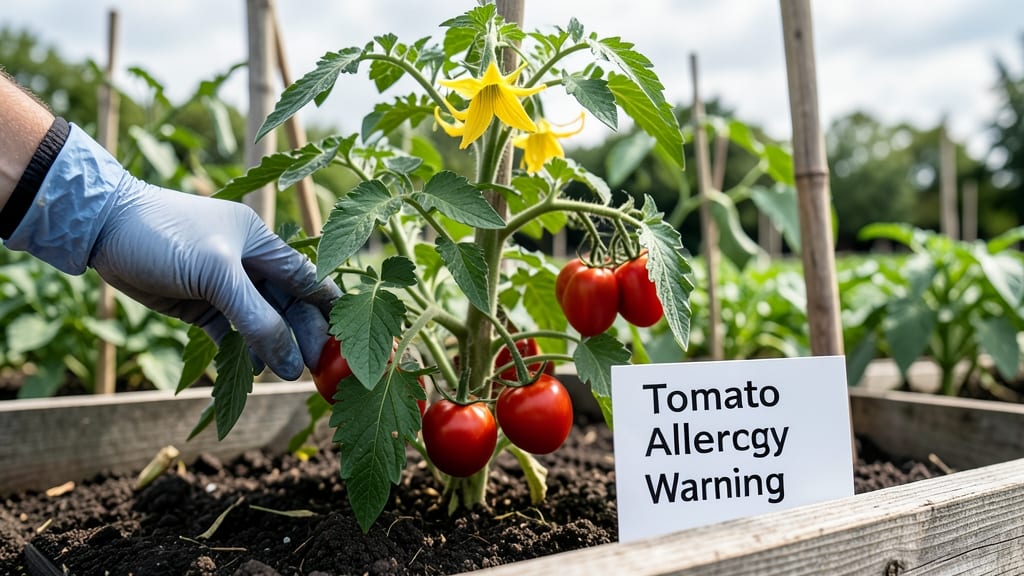
A tomato food allergy causes immune reactions to proteins found in tomatoes, like Solanaceae lectins, which can lead to symptoms ranging from mild hives to life-threatening anaphylaxis. This allergy often extends to other nightshades, including potatoes and peppers, so careful reading of ingredient labels is essential to avoid hidden tomato derivatives.
A tomato allergy isn't just about fresh tomatoes—it can flare up from cooked dishes, sauces, or even tomato-based seasonings. 🌱 The immune system reacts to specific proteins, and these can persist even when tomatoes are processed into ketchup, tomato paste, or lycopene supplements.
I've seen cases where people avoided fresh tomatoes but still suffered reactions from tomato powder in spice blends. The good news is that many allergy-friendly alternatives exist, like roasted red bell peppers or zucchini, which can mimic tomato's texture and umami depth in recipes.
If you're managing this allergy, start by identifying your specific triggers—some people tolerate cooked tomatoes better than raw, while others react to both. Always double-check labels for terms like "tomato concentrate" or "lycopene," which can hide in unexpected places.
For gardeners, consider growing non-nightshade vegetables like cucumbers or eggplants (though eggplants are technically nightshades, some varieties cause fewer reactions). The key is awareness and substitution—small changes can make a big difference in symptom management.
💡 In This Article
- Why Tomatoes Trigger Allergic Reactions in Sensitive Individuals
- Safe Tomato-Free Alternatives for Cooking and Gardening
Why tomatoes trigger allergic reactions in sensitive individuals
The immune system of someone with a tomato allergy misidentifies specific proteins in tomatoes as harmful invaders. The primary culprits are proteins like Solanum lycopersicum lectins and profilins, which are part of the plant's natural defense system.
These proteins are most concentrated in the tomato's skin and seeds, but they can also be present in the flesh. When someone with an allergy consumes tomatoes, their immune system overreacts by releasing histamine and other chemicals, triggering symptoms like hives, swelling, or even anaphylaxis.
Cooking tomatoes can sometimes reduce allergic reactions because heat breaks down some proteins, making them less recognizable to the immune system. However, this isn't always the case—some proteins, like lycopene, remain stable even after cooking.
For example, a study published in the Journal of Allergy and Clinical Immunology found that about 30% of people with tomato allergies react to both raw and cooked tomatoes, while others may only react to one form.
This variability makes it crucial to test tolerance carefully and avoid assumptions about safety based on preparation methods.
Cross-reactivity is another critical factor. Tomatoes belong to the Solanaceae family, which includes potatoes, peppers, and eggplants. If your immune system recognizes proteins in tomatoes as threats, it may also react to similar proteins in these related vegetables.
For instance, someone allergic to tomatoes might also experience reactions to bell peppers or even potato skin, where proteins are more concentrated. This is why many allergy sufferers must avoid an entire category of foods rather than just tomatoes themselves.
Hidden tomato derivatives add another layer of complexity. Even if you avoid fresh tomatoes, you might still encounter lycopene (a tomato extract used as a natural colorant), tomato paste, or concentrated tomato juice in processed foods like soups, sauces, and even some medications.
For example, some vitamin supplements contain tomato-derived ingredients, and ketchup or marinara sauce can be sneaky sources of reactions. Always scan ingredient labels for terms like \"tomato concentrate,\" \"lycopene,\" or \"natural flavors\"—these could signal hidden tomato content.
The severity of reactions can vary widely. Some people experience mild symptoms like itching or digestive upset, while others face severe anaphylaxis, which requires immediate medical attention. The time between consumption and symptom onset also varies—some reactions occur within minutes, while others may take hours.
This unpredictability underscores the importance of carrying an epinephrine auto-injector (like an EpiPen) if you've had severe reactions in the past. Always consult an allergist to develop a personalized management plan tailored to your specific triggers.
Understanding the science behind your allergy empowers you to make informed choices. For example, knowing that proteins in tomato skins are often more allergenic can help you opt for peeled tomatoes in recipes. Similarly, recognizing that cross-reactivity with nightshades is common can guide your grocery shopping and meal planning.
The goal isn't just avoidance—it's creating a diet and lifestyle that minimizes risk while still allowing you to enjoy flavorful, satisfying meals.