
Planting
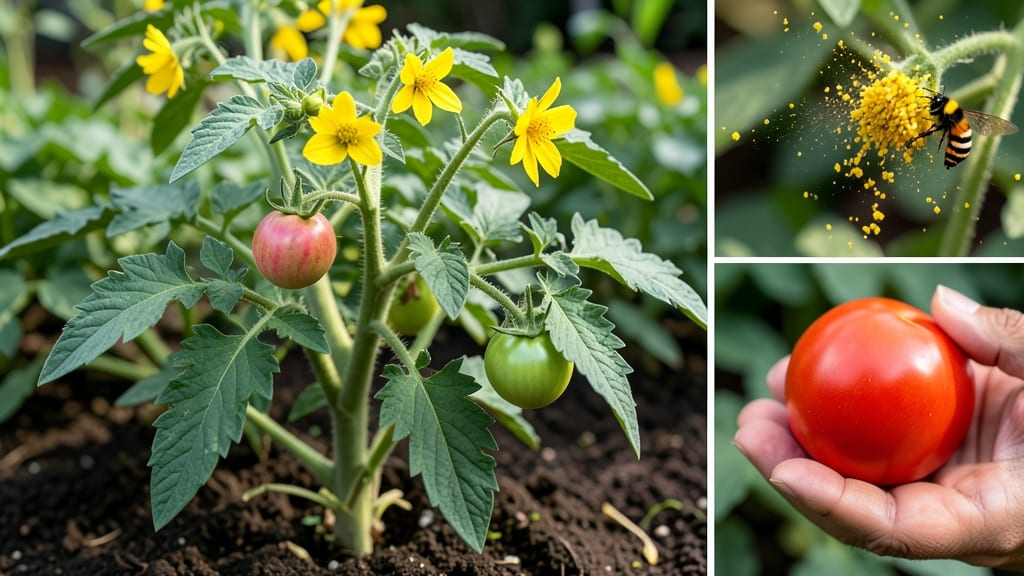
Tomato plant pollination relies on wind or bees to transfer pollen, but indoor or greenhouse tomatoes often struggle without help. You can boost fruit production by gently shaking plants, using a paintbrush to transfer pollen manually, or encouraging bees to visit your garden.
Tomato flowers need pollen to move from the male stamens to the female pistil for fruit to develop. Without proper pollination, flowers drop off, leaving you with fewer tomatoes. 🌱 The good news? Even if you don’t have bees buzzing around, you can mimic nature’s process with simple techniques.
I’ve seen hand-pollination increase yields by up to 50% in my own greenhouse—just a few minutes of effort can make a big difference.
For best results, pollinate in the morning when flowers are fresh and humidity is lower. Avoid overdoing it, though—too much shaking can damage delicate blossoms. If you’re growing outdoors, planting bee-friendly flowers nearby will naturally attract pollinators and reduce the need for manual intervention.
💡 In This Article
- How Tomato Flowers Are Pollinated Naturally
- 3 Effective DIY Pollination Techniques for Gardeners
How tomato flowers are pollinated naturally
Tomato flowers have a unique two-step anatomy that makes pollination fascinating. The male parts (stamens) produce pollen on yellow anthers, while the female pistil sits in the center with a sticky stigma waiting to catch it.
In nature, wind carries pollen from one flower to another, but tomatoes are also buzz-pollinated—meaning bees vibrate their flight muscles at 150-200 Hz, causing pollen to shake loose from the anthers and coat their bodies for transfer.
This vibration method is so effective that it can move 50% more pollen than wind alone in ideal conditions.
The timing of pollination is critical—tomato flowers typically open in the morning and must be pollinated within 4-6 hours to ensure fertilization. Humidity plays a surprising role too: high humidity (>70%) can make pollen grains clump together, reducing their ability to travel.
That’s why greenhouse tomatoes often struggle—controlled environments lack the natural airflow and pollinator activity found outdoors. Even a gentle breeze outdoors moves pollen 10-20 feet per minute, while indoor air remains still.
Here’s what happens when pollination fails: unfertilized flowers drop off within 24-48 hours, leaving behind small green "buttons" where fruit should be. This is nature’s way of conserving energy—plants won’t waste resources growing fruit that won’t develop.
The good news? Tomatoes are self-pollinating, meaning a single plant can fertilize itself if pollen reaches the stigma. But without help, many flowers get left behind.
Bees are the superheroes of tomato pollination because they don’t just carry pollen—they actively vibrate flowers to release it. A single bee can pollinate 50-100 tomato flowers in an hour, while wind might only manage 10-20.
That’s why gardens with bee populations see 30-50% higher fruit set compared to isolated plants. Even a small patch of bee-friendly flowers (like marigolds or borage) can attract enough pollinators to make manual intervention unnecessary.
Indoor growers face unique challenges because they lack both wind and bees. Without intervention, many flowers simply won’t set fruit. The solution? Mimicking nature’s methods—whether through gentle shaking, brush pollination, or even a small fan placed near plants to simulate airflow.
The key is consistency: pollinate every morning for 3-5 days after flowers open to maximize success rates.
What most gardeners don’t realize is that temperature matters too. Pollen viability drops below 55°F or above 95°F, so timing your efforts matters.
Early morning pollination works best because flowers are freshest and humidity is lower, giving pollen the best chance to stick and travel. 🌿 This natural rhythm explains why outdoor tomatoes often thrive with minimal help—while indoor plants need our assistance to break the cycle of failed pollination.