Planting
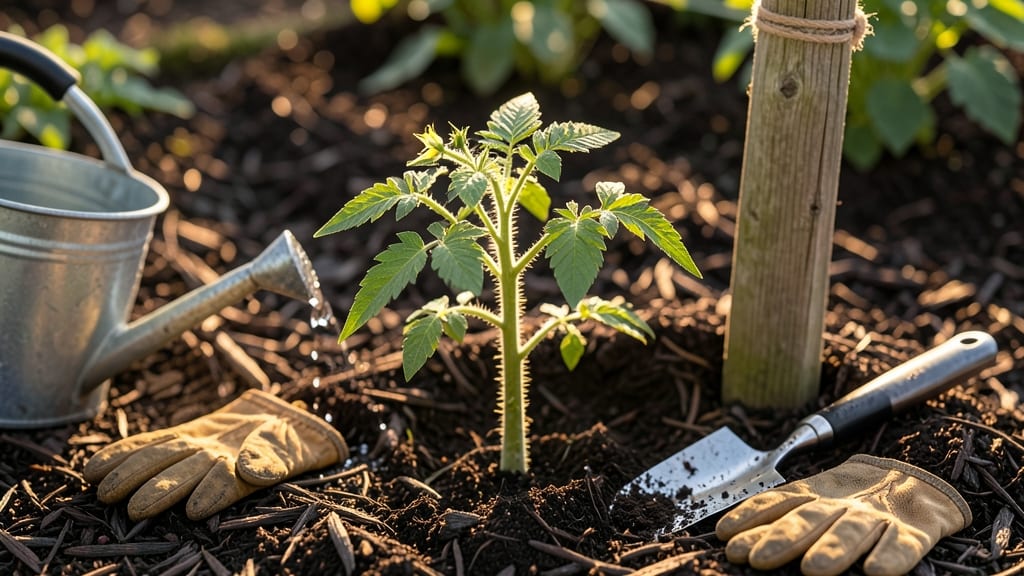
Timing your tomato planting right means the difference between a bountiful harvest and wasted effort—especially when late frosts strike.
Picture this: you’ve nurtured seedlings for weeks, only to see them crisp in a single overnight freeze. Or worse, you plant too late and the season rushes by before your 🍅 tomatoes even ripen. These mistakes happen more often than you’d think, and they’re avoidable with the right deadlines.
In this guide, I’ll break down the exact climate-zone planting windows for tomatoes—from starting seeds indoors to transplanting outdoors—so you can avoid frost damage and maximize your yield.
Whether you’re in a cold USDA Zone 6a or a warm southern region, you’ll learn how to adjust for your local frost dates, soil temperature, and even container gardening.
You’ll also discover how to extend your growing season with row covers, cold frames, and succession planting—plus the 3 most common mistakes that kill tomato harvests before they start. Let’s get those plants in the ground at the perfect time!

Tomato planting time by USDA hardiness zones: exact deadlines to avoid frost damage
Timing your tomato planting is one of the most critical steps for a successful harvest. Late frosts can wipe out tender seedlings in minutes, while planting too late shortens your growing season.
The key lies in knowing your USDA hardiness zone and calculating last-frost dates with precision. Each zone has distinct deadlines for starting seeds indoors, transplanting seedlings, and direct sowing outdoors.
For example, gardeners in Zone 3 face a 150-day frost-free window, while those in Zone 11 enjoy nearly year-round growing conditions. Understanding these differences ensures your tomatoes thrive from seedling to harvest.
Let's break down the exact deadlines by zone, including soil temperature thresholds and regional variations that can make or break your crop.
| USDA Zone | Last Frost Date | Indoor Seed Start | Transplant Outdoors | Direct Sow Date | Soil Temp Threshold |
|---|---|---|---|---|---|
| Zones 3-4 | Mid-May | 6-8 weeks before last frost (March) | After May 15 (when soil hits 60°F) | Late May to early June | 60°F (15°C) minimum |
| Zones 5-6 | Early May | 4-6 weeks before last frost (late March) | After April 30 (soil at 55°F) | Mid-May | 55°F (13°C) minimum |
| Zones 7-8 | Mid-April | 3-4 weeks before last frost (late February) | After April 15 (soil at 60°F) | Early April (or direct sow after last frost) | 60°F (15°C) minimum |
| Zones 9-10 | Mid-March | Optional (direct sow anytime) | February-March (soil at 65°F) | January-April (year-round in Zone 10) | 65°F (18°C) minimum |
| Zone 11 | None (tropical) | Not needed | Year-round (avoid winter) | Year-round | 70°F (21°C) minimum |
🌱 Note: Adjust dates 1-2 weeks earlier for early-maturing varieties (e.g., 'Early Girl') or later for heirlooms (e.g., 'Brandywine').
In Zones 3-4, where frosts linger into May, starting seeds indoors 6-8 weeks before your last frost date is essential. For example, if your last frost is May 15, begin seeds around March 15.
Transplant outdoors only after soil warms to 60°F (15°C), typically mid-May. Direct sowing should wait until late May to early June to avoid frost damage to young plants.
Gardeners in Zones 5-6 enjoy slightly earlier deadlines. Start seeds indoors 4-6 weeks before last frost (late March) and transplant by April 30 when soil reaches 55°F (13°C).
Direct sowing can begin as early as mid-May, but monitor local weather forecasts for unexpected late frosts. Row covers can extend your planting window by 2-3 weeks in these zones.
For Zones 7-8, where last frosts occur in mid-April, you have more flexibility. Start seeds indoors 3-4 weeks before last frost (late February) or direct sow as early as early April if using frost cloth. Transplant seedlings outdoors by April 15
How to adjust tomato planting time for early or late seasons: extending the growing window
Even with the perfect tomato variety and soil prep, your growing season can feel too short. Late frosts in cold climates or scorching heat in summer can cut your harvest short—but there are proven ways to stretch that window.
The key is understanding how to modify planting times using climate-specific strategies, from row covers to succession planting.
Let’s say you’re in USDA Zone 5 with a short frost-free season. Instead of giving up, you can start seeds indoors 8-10 weeks before your last frost date, then use cold frames to protect young plants.
Or if you’re in Zone 10, where summer heat is the enemy, shade cloth and staggered plantings keep your tomatoes producing all season long.
- 📅 For cold climates: Start seeds 6-8 weeks indoors before last frost, then use row covers to extend outdoor planting by 2-4 weeks.
- 🌡️ Check soil temperature: Wait until it reaches 60°F (15°C) for direct sowing—use a soil thermometer to avoid guessing.
- ☀️ Hot climates? Plant early spring or late summer to avoid peak heat; use shade cloth (30-50%) for midday protection.
- 🌿 Succession planting: Sow new seeds every 2 weeks for a continuous harvest in warm areas.
- 🏡 Containers? Move pots to shadier spots in summer or use lightweight row covers for evening chill protection.
Don’t rely on calendar dates alone—your local weather patterns matter more. For example, a microclimate near a lake or hillside might stay warmer longer. Check your 10-year frost records (available through the National Weather Service) and adjust your timeline by 1-2 weeks if your area has unpredictable springs.
Another game-changer? Cold frames or low tunnels can push your first planting 3-4 weeks earlier in cold zones. I’ve seen gardeners in Zone 4 harvest tomatoes by early July using these methods. Just remove the cover when temps rise above 70°F (21°C) to prevent overheating.
For hot climates, shade cloth isn’t just for summer—it also protects young plants from late-spring frosts if your area has unpredictable temperature swings. Pair it with drip irrigation to keep roots cool, and you’ll avoid the blossom drop that happens when plants stress from heat.
Finally, succession planting is your secret weapon for late-season harvests. In warm zones, plant heat-tolerant varieties like ‘Solar Fire’ or ‘Heatmaster’ every 2-3 weeks from early spring through mid-summer. This ensures you’re always harvesting ripe tomatoes while the weather cooperates.