
Companion Plants
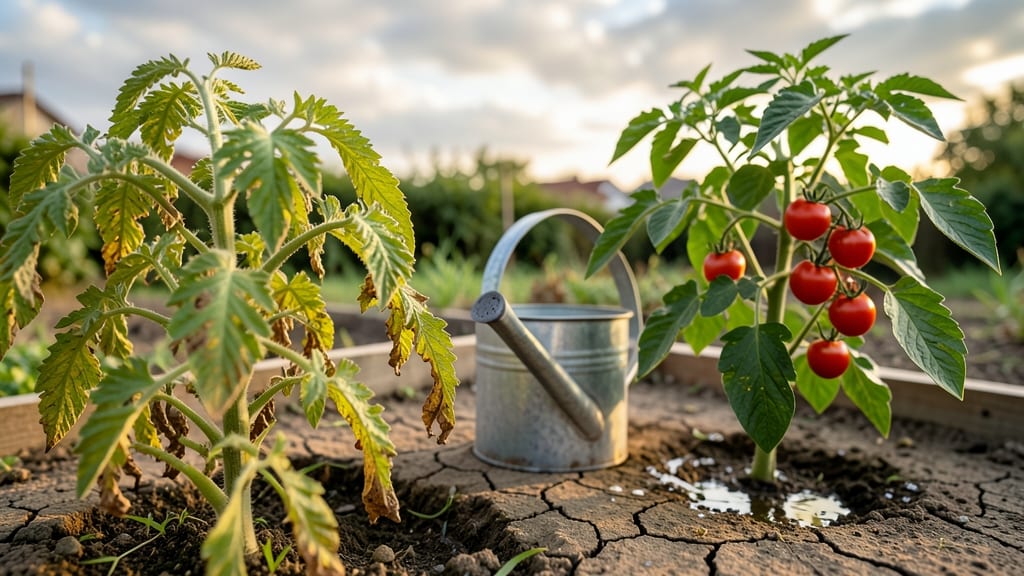
When your tomato plants wilted overnight, panic sets in—but there's always a fix. 🌱 I’ve seen this happen after heavy rain, pests, or even just inconsistent watering, and the good news is most cases aren’t hopeless.
The key is acting fast to figure out why it happened before the plant collapses completely.
Start by checking the soil moisture with your finger—if it’s bone-dry, underwatering’s to blame. If it’s soggy, overwatering or fungal disease might be the culprit. Look for chewed leaves (pests like hornworms) or yellowing spots (early blight).
Once you pinpoint the issue, you can revive your plants with targeted fixes—whether that’s adjusting your watering schedule or applying a fungicide.
What you’ll end up with is a tomato plant that recovers its vigor within 24-48 hours if caught early. The leaves perk up, new growth appears, and you’re back to harvesting juicy tomatoes instead of staring at a sad, droopy plant.
Prevention is simple: mulch to keep moisture steady, water at the base (not the leaves), and inspect plants regularly for pests.
This works for both container-grown and in-ground tomatoes, and the same troubleshooting applies to peppers and eggplants too. Let’s get your plants back on track before it’s too late.
Root Causes Behind Sudden Wilting
When your tomato plants wilt overnight, it’s rarely a random act of nature—it’s almost always a symptom of an underlying issue. Understanding the why behind the wilt is the first step to saving your plants.
Below, we break down the most common culprits, from soil-based problems to environmental stressors, with clear explanations and actionable insights.
---
Tomatoes need consistent moisture, but too much water (or waterlogged soil) can suffocate roots by cutting off oxygen. When roots drown, they can’t absorb nutrients or water efficiently, leading to wilting—even if the soil feels damp.
- Signs to watch for: - Yellowing leaves (especially lower ones) - Mushy, dark roots when checked - Soil that stays soggy for days after watering - Why it happens: - Compacted or clay-heavy soil traps excess water. - Overzealous watering (e.g., daily light showers) without letting the top 1–2 inches dry out. - Lack of raised beds or amendments (like perlite or compost) to improve drainage. - Quick fix: - Let the top 1–2 inches of soil dry between waterings. - Amend soil with organic matter (compost, coconut coir) or sand to improve aeration. - If pots are involved, ensure they have drainage holes and elevate them to prevent water pooling.
---
Tomatoes are thirsty plants, and sudden wilting can signal they’re severely dehydrated—especially in hot weather. When roots can’t pull up enough water, leaves droop as a survival mechanism to reduce moisture loss.
- Signs to watch for: - Crispy, dry leaf edges - Soil pulling away from pot edges (if potted) - Wilting that worsens by midday - Why it happens: - Inconsistent watering (e.g., skipping days during heatwaves). - Shallow root systems in young plants or containers. - High temperatures (above 90°F/32°C) increase evaporation rates. - Quick fix: - Deep watering: Soak the soil until water runs out the bottom (for pots) or 6–8 inches deep (for in-ground plants). - Mulch heavily (2–3 inches of straw or wood chips) to retain moisture. - Water early morning to reduce evaporation and give roots time to absorb moisture.
---
If your tomato plants wilt despite proper watering, root rot (caused by Phytophthora, Pythium, or Fusarium) may be the culprit. These pathogens thrive in wet, anaerobic soil and attack roots, blocking water and nutrient uptake.
- Signs to watch for: - Black, mushy roots - Stems that feel soft or hollow when squeezed - Wilting that spreads rapidly to multiple plants - Why it happens: - Overwatering or poor drainage (see above). - Contaminated soil from previous infected plants or tools. - Cool, damp weather (ideal for fungal growth). - Quick fix: - Prune affected roots (if repotting) and treat with hydrogen peroxide (1 tbsp per gallon of water) to disinfect. - Switch to well-draining soil and avoid watering until the top 2 inches are dry. - Fungicide spray (copper-based or neem oil) can help prevent spread.
---
Hidden pests like nematodes, cutworms, or aphids can sever roots or sap plant fluids overnight, causing sudden wilting. These critters are often overlooked because they work below the soil line or inside stems.
- Signs to watch for: - Tiny holes or chewed roots when uprooted. - Stems that snap easily or have sawdust-like frass (insect droppings). - Wilting that starts in one section of the plant. - Why it happens: - Nematodes (microscopic worms) feed on root cells, disrupting water uptake. - Cutworms chew stems at soil level, severing the plant’s connection to roots. - Aphids or whiteflies drain sap, weakening the plant over time. - Quick fix: - Handpick cutworms at night (they’re most active then) or use beer traps (bury a cup filled with beer to attract them). - Beneficial nematodes (Steinernema or Heterorhabditis) can target soil-dwelling pests. - Neem oil spray (1 tsp per quart of water) deters soft-bodied insects like aphids.
--- Tomatoes are heavy feeders, and imbalances in nutrients (especially nitrogen, potassium, or magnesium) can cause wilting. Even too much fertilizer (especially synthetic salts) can burn roots, preventing water absorption.
- Signs to watch for: - Nitrogen deficiency: Yellowing lower leaves (but wilting isn’t typical). - Potassium deficiency: Brown leaf edges or "scorch" marks. - Magnesium deficiency: Yellow patches between leaf veins. - Toxicity: Crispy leaf edges with stunted growth. - Why it happens: - Over-fertilizing (especially with high-nitrogen or salt-based fertilizers). - Poor soil quality lacking micronutrients (zinc, iron, manganese). - pH imbalances (tomatoes prefer 6.0–6.8; extremes lock out nutrients). - Quick fix: - Flush soil with water to leach excess salts (repeat 2–3 times). - Add compost tea or fish emulsion for a gentle nutrient boost. - Test soil pH and amend with lime (to raise pH) or sulfur (to lower it) if needed.
--- Sometimes, wilting is the result of external stressors like temperature swings, wind, or even transplant shock. If your plants were recently moved or exposed to extreme conditions, their systems may be overwhelmed.
- Signs to watch for: - Wilting after a cold snap or heatwave. - Plants that droop only on one side (wind damage). - Newly transplanted tomatoes wilting within 24–48 hours. - Why it happens: - Transplant shock: Roots disturbed during moving, leading to temporary water uptake failure. - Temperature extremes: Roots struggle to function below 50°F/10°C or above 95°F/35°C. - Windburn: Leaves lose moisture faster than roots can replace it. - Quick fix: - Shade cloth (30–50%) protects from scorching heat or wind. - Mulch heavily to insulate roots from temperature swings. - Avoid transplanting in extreme weather; opt for overcast days or evening moves.
--- Viruses like Tobacco Mosaic Virus (TMV) or Tomato Yellow Leaf Curl Virus (TYLCV) can cause sudden wilting by disrupting the plant’s vascular system. These are often spread by infected tools, pests, or contaminated soil.
- Signs to watch for: - Mosaic patterns on leaves (light/dark green patches). - Stunted growth with curled or distorted leaves. - Wilting paired with yellowing veins (TYLCV). - Why it happens: - Contaminated tools (pruners, gloves) or shared soil. - Aphids or whiteflies transmitting viruses from infected plants. - Weeds acting as hosts for viral spread. - Quick fix: - Remove infected plants immediately (burn or bag them). - Disinfect tools with rubbing alcohol (70%+) between uses. - Row covers (fine mesh) block insect vectors like whiteflies.
Reviving Wilted Tomato Plants Fast
When your tomato plants wilt overnight, panic isn’t the first step—action is. The good news? Many causes have quick fixes, and with the right approach, you can nurse your plants back to health.
Below, we’ll map out practical solutions for the most common culprits, plus prevention tips to keep your garden thriving. Grab your gloves and let’s get to work!
---
Signs: Yellowing leaves, soggy soil, roots exposed above ground. Fix It: 1. Stop Watering Immediately 🚰 - Let the soil dry out for 24–48 hours. Overwatering suffocates roots, leading to rot. 2. Improve Drainage 🏗️ - Amend heavy soil with compost or perlite to loosen it. For containers, add a drainage layer (pebbles or broken pottery) at the bottom. 3. Repot if Necessary 🌱 - If roots are circling or mushy, transfer the plant to a pot with drainage holes and fresh, well-draining potting mix. 4. Water Deeply but Less Often 💧 - Water only when the top 1–2 inches of soil are dry. Use a moisture meter or stick your finger in to check.
Prevention Tips: ✅ Avoid soggy soil—never let plants sit in standing water. ✅ Use raised beds if your garden has clay-heavy soil. ✅ Mulch around plants to regulate moisture and prevent evaporation.
---
Signs: Wilting in hot afternoons, crispy leaf edges, white or brown patches. Fix It: 1. Provide Shade Temporarily 🌳 - Use shade cloth (30–50%) or move potted plants to a dappled sunlight spot for a few days. 2. Water at the Right Time ⏰ - Early morning is best—watering in the heat causes evaporation and burns leaves. 3. Mulch Thickly 🌿 - Apply 2–3 inches of mulch (straw or wood chips) to keep roots cool and retain moisture. 4. Prune for Airflow 🌬️ - Trim dense foliage to improve circulation and reduce stress on the plant.
Prevention Tips: 💡 Choose heat-tolerant varieties like ‘Solar Fire’ or ‘Heatmaster’ for hot climates. 🌡️ Monitor temps—tomatoes thrive in 70–85°F (21–29°C); above 90°F (32°C), they wilt. ✨ Use row covers in extreme heat to create a cooler microclimate.
---
Signs: Chewed leaves, holes, sticky residue (aphids), or fungal spots (early blight). Fix It: 1. Identify the Culprit 🔍 - Pests? Check for aphids, spider mites, or cutworms. Wipe leaves with soapy water (1 tsp mild soap per quart of water). - Disease? Look for dark spots (fungus) or wilting with yellowing (viral). Remove affected leaves immediately. 2. Apply Organic Treatments 🌿 - Neem oil spray (for pests/diseases): Mix 1 tsp neem oil + 1 tsp soap + 1 quart water. Spray every 5–7 days. - Bacillus thuringiensis (Bt) for caterpillars or cutworms. 3. Boost Plant Immunity 🛡️ - Compost tea or fish emulsion (diluted) strengthens plants naturally. 4. Isolate Infected Plants 🚫 - Move sick plants away from healthy ones to prevent spread.
Prevention Tips: 💡 Rotate crops—don’t plant tomatoes in the same spot yearly. 🔥 Remove debris after harvest to reduce fungal spores. 🎯 Encourage beneficial insects like ladybugs or lacewings with dill or marigolds nearby.
---
Signs: Stems bent or broken, leaves torn, sudden wilting even with healthy roots. Fix It: 1. Stake or Cage Plants 🏗️ - Install tomato cages or bamboo stakes ASAP to support weak stems. 2. Prune Damaged Foliage ✂️ - Trim torn or broken leaves to reduce stress and redirect energy to new growth. 3. Shelter from Wind 🌪️ - Use windbreaks (burlap, straw bales, or tall plants like sunflowers) if your garden is exposed.
Prevention Tips: 🌿 Plant in a sheltered spot—avoid open areas with strong gusts. 💪 Strengthen stems early by gently tying them to stakes as they grow.
--- Signs: Wilting despite proper watering, roots circling the pot, stunted growth. Fix It: 1. Repot Immediately 🏡 - Gently remove the plant, loosen roots, and transfer to a larger pot (1–2 inches wider) with fresh soil.
2. Water Lightly After Repotting 💦 - Avoid overwatering for the first 3–5 days to prevent root stress. 3. Use Root Stimulator 🌱 - Add mycorrhizal fungi or seaweed extract to the new soil to encourage root growth.
Prevention Tips: ✅ Repot every 1–2 years for container-grown tomatoes. ✅ Hardening off seedlings (acclimating to outdoor conditions) reduces shock.
--- If your tomatoes are severely wilted but roots are still salvageable: 1. Trim Back ⏳ - Cut wilting leaves and damaged stems to reduce water loss. 2. Soak Roots in Water 💦 - For potted plants, submerge the entire pot in water for 10–15 minutes to rehydrate roots.
3. Move to Shade 🌳 - Keep them out of direct sun for 3–5 days while they recover. 4. Fertilize Lightly 🌿 - Use a balanced fertilizer (10-10-10) to replenish nutrients.
--- Final Pro Tip: 🌟 Don’t give up too soon! Tomatoes are resilient. Even if they look dead, check the roots—if they’re firm and white (not black/mushy), there’s hope. With the right care, your plants can bounce back and produce juicy, flavorful tomatoes in no time.
--- Need More Help? 📚 - Diagnose faster with a plant disease app (like PlantNet). - Join gardening forums (like r/gardening on Reddit) for real-time advice.
Frequently asked questions
Why do my tomato plants wilt overnight even when the soil feels moist?
This usually signals root rot from overwatering or poor drainage. When roots suffocate in soggy soil, they can't absorb water efficiently—even if the surface feels damp. Check for black, mushy roots and let the soil dry completely before watering again. Improve drainage with compost or perlite.
Can I save tomato plants that wilted from extreme heat?
Yes! Move them to shade (30-50%) immediately and water deeply in the early morning. Mulch heavily to retain moisture and prune dense foliage to improve airflow. Heat-tolerant varieties like 'Solar Fire' recover faster—consider switching next season if this happens often.
What should I do if only one side of my tomato plant is wilting?
This often indicates wind damage or pest attack (like cutworms). Check stems for chew marks at soil level and install stakes or cages immediately. For wind, use temporary windbreaks (like straw bales) to protect exposed sides.
Is it safe to use coffee grounds to revive wilted tomato plants?
Yes, but use them sparingly! Mix ½ cup of used coffee grounds into the soil around plants—they improve drainage and add nitrogen. However, avoid fresh grounds (they're too acidic). For a quick fix, pair with compost tea to boost overall soil health.
How long does it take for tomato plants to recover from wilting?
With proper care, most plants show improvement within 24-48 hours. If roots are healthy (firm and white), you'll see new growth in 5-7 days. Severe cases (like root rot) may take 2-3 weeks** to fully recover. Monitor soil moisture and provide consistent care during recovery.