
Vegetables
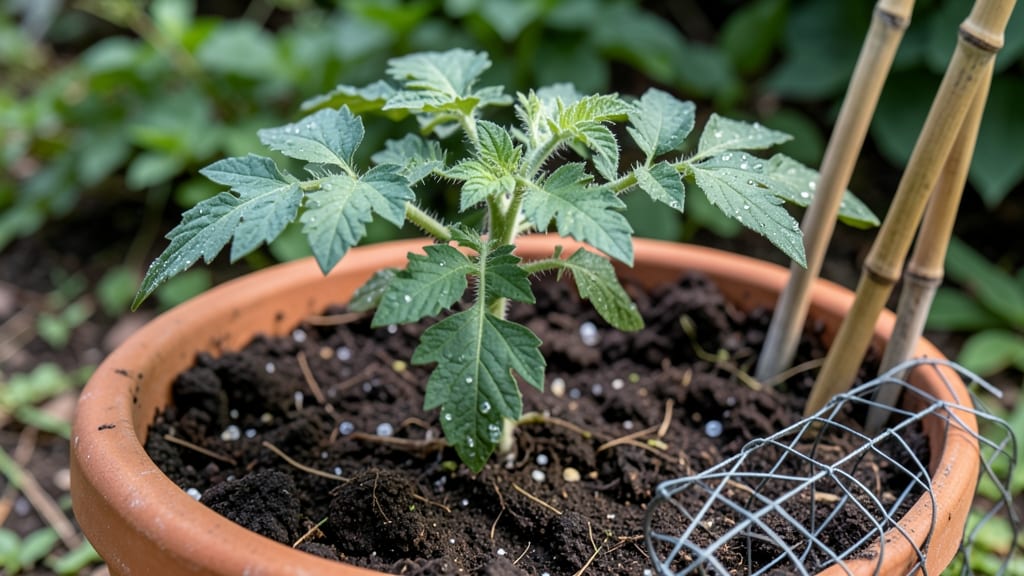
Tomato seedling care starts with one simple truth: leggy, weak plants mean fewer tomatoes at harvest. 🌱 I've nursed hundreds of seedlings through their first weeks, and the difference between thriving starts and sad, spindly failures comes down to three critical factors—light, water, and temperature.
Most gardeners overlook one of these, and that's when the problems begin.
The biggest mistake? Assuming a sunny windowsill is enough. Seedlings need 12-16 hours of bright light daily, and artificial grow lights are worth the investment if your windows can't deliver. Watering is just as tricky—overhead watering causes disease, while bottom-watering keeps roots happy.
I use a tray of water with a wick to avoid soggy soil, and the seedlings grow strong without the stress of uneven moisture.
By week 4, your seedlings should be stocky, dark green, and ready for transplanting. They'll develop thick stems, sturdy roots, and even a few tiny flowers if conditions are perfect.
The payoff comes when you move them outdoors—they'll establish faster, recover from transplant shock, and start producing fruit weeks ahead of weak starts.
This works for both indoor starts and outdoor sowings. Whether you're growing on a kitchen counter or in a greenhouse, the same principles apply. Let's get those seedlings thriving!
📚 In This Guide
- What you need
- Instructions
- Tips and common mistakes
- Wrapping up and next steps
What you need
- ● Seedling trays or pots: 2–4 inch cells or biodegradable pots (6–12 per seedling, depending on space). Pro tip: 💡 Use trays with drainage holes to prevent soggy roots!
- ● High-quality seed-starting mix: Lightweight, sterile potting soil (avoid garden soil—it’s too dense!). Quantity: Enough to fill your trays (about 1–2 cubic feet for a standard 1020 tray).
- ● Tomato seeds: Choose heirloom or hybrid varieties suited to your climate (e.g., Early Girl, Cherry Roma, or Beefsteak). Quantity: 1–2 seeds per cell (thin to the strongest seedling later).
- ○ Grow lights or sunny windowsill: 12–16 hours of light daily. Optional: A LED grow light (12–24W, full-spectrum) if natural light is insufficient.
- ● Misting bottle or spray nozzle: For gentle watering (avoid drowning seedlings!). Quantity: 1–2 bottles for regular misting.
- ● Plant labels: Small sticks or markers to track varieties and planting dates.
- ○ Fertilizer (optional but helpful): Fish emulsion or seaweed extract: Diluted to half-strength (1 tbsp per gallon of water) for early feeding.
- ● Balanced liquid fertilizer (e.g., 5-5-5): Use sparingly (every 2–3 weeks) once seedlings sprout their first true leaves.
- ○ Heat mat (optional for cool climates): Bottom warming mat (70–75°F range) to speed germination.
- ● Humidity dome or plastic wrap: To retain moisture during germination (remove once sprouts appear).
- ● Patience: Germination takes 5–14 days (depending on variety and conditions).
- ● Consistency: Keep soil moist (not soggy) and maintain steady light/temperature.
- ● Space planning: Account for transplanting later—tomatoes need room to grow (18–24 inches apart for determinate varieties, 24–36 inches for indeterminate).
- ○ Safety gear (optional): Gloves (for handling soil) and a dust mask (if mixing amendments).
Step-by-step guide to caring for tomato seedlings
Here's how I keep tomato seedlings strong and healthy—ready for transplanting in no time.
🌱 Step 1: Provide the Right Light Immediately
Tomato seedlings need 14-16 hours of light daily right from the start. Place them under a grow light within 2-4 inches of the plants—closer if the light is weak, farther if it's bright. Without enough light, seedlings stretch toward the source, growing weak and leggy. You'll know they're getting enough light when they grow compact and dark green, with leaves spaced close together.
Move the light higher as seedlings grow to maintain that 2-4 inch gap. I raise mine every 3-4 days to keep them from outgrowing the light. If you notice seedlings leaning or stretching, they're begging for more light—adjust immediately.
💧 Step 2: Water Consistently Without Overdoing It
Keep the soil evenly moist but not soggy—tomato seedlings hate wet feet. Water from the bottom by placing the tray in ½ inch of water for 10-15 minutes, then drain excess. This prevents fungal diseases like damping-off, which can kill seedlings overnight. You'll know moisture is right when the soil surface looks slightly damp but not glistening.
Water every 2-3 days until the top inch of soil feels dry. Avoid wetting the leaves, as this encourages disease. If you see yellowing leaves, it's often from overwatering—let the soil dry out slightly and reduce frequency.
☀️ Step 3: Fertilize Lightly After True Leaves Appear
Once seedlings develop their first true leaves (the second set after the initial seed leaves), give them a weak fertilizer solution. I use a ½-strength balanced liquid fertilizer (10-10-10 or similar) diluted to half strength. Over-fertilizing at this stage burns tender roots—less is more. Apply it to the soil, not the leaves, and water thoroughly afterward to prevent salt buildup.
Fertilize again in 2 weeks, this time at full strength. You'll see stronger stems and deeper green leaves as a sign they're thriving. Avoid fertilizing if seedlings look stressed or leggy—focus on light and water first.
✂️ Step 4: Harden Off Before Transplanting Outdoors
Two weeks before your last frost date, start hardening off seedlings by placing them outside in a sheltered, shaded spot for 1-2 hours the first day. Gradually increase outdoor time by 1 hour daily over 10-14 days, slowly introducing more sun and wind. This toughens them up so they don't go into shock when planted outdoors.
Watch for wilting or leaf burn—if you see it, move them back inside and extend the hardening period. Once seedlings tolerate a full day outside without stress, they're ready for the garden. Transplant on an overcast afternoon to reduce transplant shock.
🌿 Step 5: Monitor for Pests and Diseases
Inspect seedlings daily for aphids, spider mites, or whiteflies on the undersides of leaves. Wipe them off with a damp cloth or spray with neem oil solution if you spot them early. Fungal diseases like damping-off appear as blackened stems at the soil line—remove affected seedlings immediately to prevent spread.
Keep the growing area clean and avoid overhead watering to prevent disease. If you see yellowing leaves paired with sticky residue, it's likely aphids. Act fast—these pests multiply quickly and weaken seedlings before they can thrive.
Tips & tricks for perfect tomato seedling care
Confession: I lost my first batch of seedlings to leggy stems and damping-off—here's what I learned the hard way.
Lighting Strategy: The 14-16 hours of light isn't just about duration—it's about consistency. I use a timer on my grow light to automate the schedule, which prevents me from forgetting to turn it on or off. If your seedlings start stretching toward the light, they're telling you they need more intensity or closer placement. That 2-4 inch gap is your sweet spot—any closer risks burning, any farther means weak growth.
Watering Wisdom: That 10-15 minute bottom-watering method works wonders, but timing matters. I set a timer when I place the tray in water to avoid over-soaking. The soil should feel like a wrung-out sponge—not dripping wet. Pro tip: Use a moisture meter if you're unsure—it takes the guesswork out of watering. Yellowing leaves? That's your signal to cut back and let the top inch dry out slightly.
Fertilizer Timing: The first feeding after true leaves appear is crucial, but don't rush it. I wait until I see at least 3-4 true leaves before applying that ½-strength fertilizer. And here's the thing—when it says "apply to soil," I mean it. Even a tiny splash on leaves can cause burns. After fertilizing, I always give a thorough watering to rinse any residue away from the roots.
Harden Off Gradually: That 1 hour daily increase over 10-14 days is non-negotiable. I start with just 1-2 hours in shade and watch closely for stress signs. If you rush this step, your seedlings will bolt or wilt when planted outdoors. I've learned to check the weather too—cloudy days are perfect for longer outdoor sessions because they reduce sunburn risk.
Pro Tips for Tomato Seedling Care
- Confession: I lost my first batch of seedlings to leggy stems and damping-off—here's what I learned the hard way.
- Lighting Strategy: The 14-16 hours of light isn't just about duration—it's about consistency. I use a timer on my gro...
- Watering Wisdom: That 10-15 minute bottom-watering method works wonders, but timing matters. I set a timer when I pla...
Frequently asked questions
Got questions about nurturing your tomato seedlings? You’re not alone—growing strong, healthy plants takes a little know-how! Here are answers to the most common tomato seedling care questions to keep your little green friends thriving.
How often should I water tomato seedlings?
Water your seedlings consistently—keep the soil moist but not soggy. Aim for about 1 inch of water per week, adjusting for heat or humidity. Water at the base (not overhead) to prevent fungal diseases. Pro tip: Use a spray bottle for tiny seedlings to avoid disturbing their delicate roots!
When is the best time to transplant tomato seedlings outdoors?
Wait until nighttime temperatures stay above 50°F (10°C) and all frost risk has passed. Seedlings should be 4-6 inches tall with 2-3 true leaves. Harden them off first by gradually exposing them to outdoor conditions over 7-10 days to avoid shock.
Why are my tomato seedlings leggy or stretching?
Leggy seedlings happen when they don’t get enough light. Move them to a sunnier spot (a grow light works too!) and bury them deeper when transplanting—up to the first leaves—to encourage stable growth. Avoid overcrowding, and consider using a balanced fertilizer (like 10-10-10) to boost vigor.
What should I do if pests attack my tomato seedlings?
Common culprits include aphids, spider mites, and whiteflies. Start with neem oil or insecticidal soap for mild infestations. For severe cases, introduce beneficial insects like ladybugs or use row covers. Always check the undersides of leaves—pests love hiding there!
Can I grow tomato seedlings indoors without sunlight?
Yes! Use a grow light (LED or fluorescent) 12-16 hours daily, keeping it 2-4 inches above seedlings. Rotate plants weekly for even growth. If using natural light, place seedlings near a south-facing window. Just remember: weak light = leggy, sad plants!
Wrapping up and next steps
Caring for tomato seedlings is a rewarding journey that sets the stage for a bountiful harvest! With the right balance of light, water, nutrients, and patience, you’ll watch those tiny sprouts grow into thriving plants.
Remember, consistency is key—whether you’re hardening off seedlings or troubleshooting pests, small efforts yield big results.
Ready to take the next step? Transplant your healthy seedlings into the garden or containers when nighttime temperatures stay above 50°F (10°C). Then, keep nurturing them with love (and maybe a little compost tea!). 🌱✨