
Plants
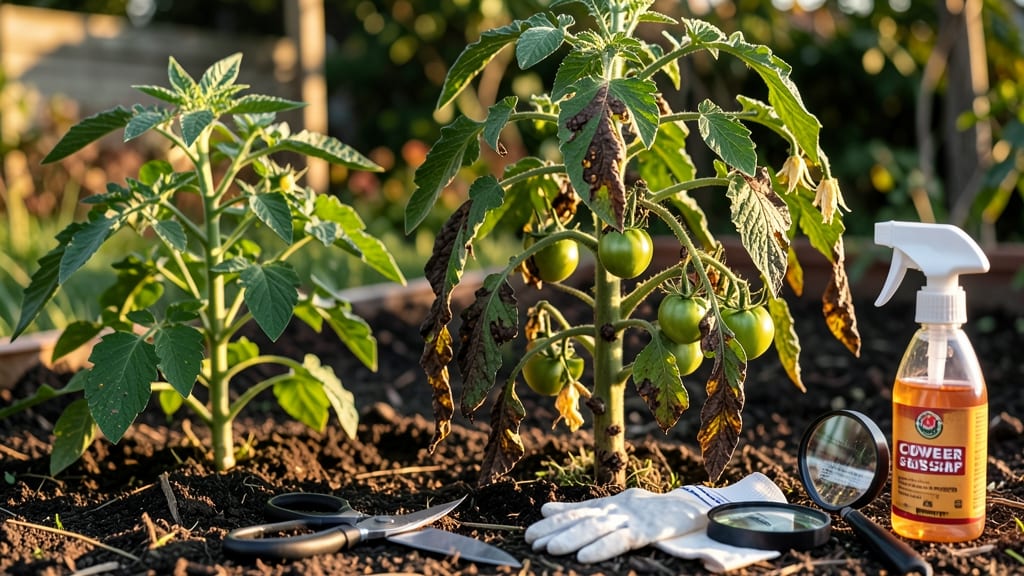
Bacterial canker on tomato plants turns your lush vines into a sad, oozing mess—unless you act fast. 🌱 I’ve watched this stubborn disease wipe out entire gardens, but copper-based treatments can stop it in its tracks when you catch it early.
The key is recognizing those telltale cankers (raised, sunken spots that ooze when wet) and acting before the bacteria spreads to your neighbors’ plants.
This isn’t just about spraying copper—it’s about sanitation, resistant varieties, and breaking the disease cycle. I’ll show you how to prune infected stems properly (sterilize your tools!), which tomato types hold up best, and why watering at the base (not overhead) makes all the difference.
My heirloom Cherokee Purple plants survived last year’s outbreak because of these exact steps.
By the end, you’ll have a foolproof plan to save your tomatoes—no more wilting leaves or rotting fruit. The copper treatments work, but only if you combine them with smart garden habits.
Think of it like a shield: copper for immediate protection, resistant varieties for long-term defense, and clean tools to keep the bacteria from hitching a ride.
Whether you’re dealing with a single plant or a full garden under siege, these methods work. The goal isn’t just to treat the symptoms—it’s to break the cycle so your tomatoes thrive next season. Let’s get your plants back in fighting shape.
The Hidden Triggers Behind Tomato Blight
Bacterial canker isn’t just a random tomato plant enemy—it’s a strategic invader that exploits weaknesses in your garden. Understanding its modus operandi is the first step to outsmarting it.
Below, we break down the key causes of bacterial canker infections, from environmental sneaky tactics to plant vulnerabilities you might be overlooking.
Bacterial canker thrives in humid, rainy conditions—think of it as a tropical vacation for pathogens. Here’s why:
- Moisture = Movement: Water droplets (from rain, overhead irrigation, or dew) act like tiny taxi cabs for the bacteria Clavibacter michiganensis. They hitch a ride into wounds or natural openings (like leaf stomata) and set up camp.
- Temperature Sweet Spot: The bacteria peaks in activity between 77–86°F (25–30°C). If your tomatoes are basking in summer heat while staying damp, you’ve created a bacterial spa.
- Foggy Mornings = Danger Zones: Prolonged leaf wetness (especially overnight) gives bacteria 24–48 hours to infect before symptoms even appear. That’s why morning fog in greenhouses or shaded areas is a red flag.
Actionable Fix: Avoid watering in the evening, use drip irrigation (not sprinklers), and space plants for airflow to dry leaves faster.
Tomato plants aren’t built with armor—they’ve got natural vulnerabilities that bacterial canker exploits like a lockpick. Common entry points include:
- Pruning Cuts: Snipping stems with dirty tools introduces bacteria directly into the plant’s circulatory system. Ouch.
- Hail or Wind Damage: Physical trauma creates open gates for infection. Even small tears in leaves can become infection sites.
- Insect Bites: Sap-sucking pests (like hornworms or aphids) leave microscopic wounds that bacteria colonize within hours.
- Fruit Scars: Damaged or cracked tomatoes (from birds, hail, or rough handling) ooze nutrient-rich sap, which bacteria feast on.
Actionable Fix: Always sterilize pruners with 70% rubbing alcohol or a 10% bleach solution. Remove damaged leaves immediately and dispose of them far from the garden.
Bacterial canker isn’t just airborne—it’s persistent. Once in the soil or on tools, it can lie dormant for years, waiting to pounce. Here’s how:
- Infected Plant Debris: Leaving behind cankered stems, leaves, or fruit in the soil means the bacteria overwinters and reinfects next season’s plants.
- Reused Containers: Pots, trellises, or stakes from last year’s infected plants can harbor bacteria. Even compost made from cankered plants may not kill the pathogen.
- Cross-Contamination: Sharing tools (like knives or pruners) between healthy and infected plants spreads the bacteria like wildfire.
Actionable Fix:
- Solarize soil in late summer (100°F+ for 4–6 weeks) to kill lingering bacteria.
- Use new tools or disinfect them between every plant.
- Compost only disease-free plant material (or burn infected debris).
Healthy tomatoes fight off infections—but stress weakens their defenses. Bacterial canker latches onto plants that are:
- Nutrient-Deficient: Low potassium or calcium makes cell walls fragile, making it easier for bacteria to invade.
- Overcrowded: Poor airflow = high humidity near leaves, creating bacterial incubators.
- Transplanted Under Stress: Shock from root disturbance or temperature swings (like moving from greenhouse to garden) opens the door to infection.
Actionable Fix:
- Feed plants with a balanced fertilizer (look for NPK 10-10-10 or higher potassium).
- Thin plants to 18–24 inches apart for airflow.
- Avoid transplanting when temps drop below 50°F (10°C) or spike above 90°F (32°C).
Pro Tip: 💡 Bacterial canker spreads fastest when plants are already struggling. If you notice yellowing leaves, stunted growth, or oozing stems, act immediately—the bacteria multiplies exponentially in 48 hours.
Stopping Tomato Plant Rot Fast
Bacterial canker on tomato plants can feel like a nightmare—especially when your hard work seems to vanish overnight. 🌱💦 But don’t panic! With the right approach, you can halt the spread, save your plants, and even prevent future outbreaks.
Below, we’ll break down practical fixes based on the root causes, from quick fixes to long-term prevention.
Cause: Dead or infected leaves/stems harbor bacteria and spread it. Fix:
- 🔪 Prune aggressively—cut off all infected leaves, stems, or fruit showing dark, sunken lesions or oozing bacteria. Use sterilized pruners (wipe with rubbing alcohol between cuts) to avoid cross-contamination.
- 🗑️ Dispose of infected material—do not compost it! Seal it in a plastic bag and toss it in the trash (or burn it if possible).
- 🌿 Thin out crowded foliage—poor airflow worsens bacterial canker. Space plants 18–24 inches apart for better airflow.
Pro Tip: 💡 If the infection is severe, remove the entire plant to stop the spread. Better to lose one plant than risk your whole garden!
Cause: Bacteria thrive in wet conditions and spread via water splashes. Fix:
- 🛡️ Apply copper fungicide (like copper sulfate, copper hydroxide, or Bordeaux mixture) at the first sign of infection. These disrupt bacterial cell walls.
- How to use: Mix according to label instructions (usually 1–2 tbsp per gallon of water). Spray evenly on both sides of leaves and stems, focusing on wounds or lesions.
- 🌧️ Timing matters: Apply early morning or late evening to avoid burning leaves in direct sun. Reapply every 7–10 days or after heavy rain.
- 🚫 Avoid chemical sprays (like neem oil) for bacterial canker—they don’t work on bacteria!
Pro Tip: 🌡️ Preventative sprays work best! Apply copper fungicide before symptoms appear if your area is prone to bacterial canker (e.g., humid climates or rainy seasons).
Cause: Overhead watering and soggy soil create the perfect bacterial breeding ground. Fix:
- 💧 Water at the base—use drip irrigation or soaker hoses to keep leaves dry. Avoid sprinklers!
- ⏰ Water early in the day—this gives foliage time to dry before evening humidity sets in.
- 🪨 Improve soil drainage—amend heavy clay soil with compost or perlite to prevent waterlogging. Raised beds also help.
- 🌱 Mulch properly—use straw or wood chips (not fresh grass clippings) to keep soil moist but not waterlogged.
Pro Tip: ✨ Avoid working in the garden when plants are wet—tools and hands can spread bacteria!
Cause: Weak or stressed plants are more susceptible to infections. Fix:
- 💪 Boost plant health with a balanced fertilizer (like 10-10-10) early in the season to encourage strong growth.
- 🍅 Choose resistant varieties—some tomatoes (like ‘Mountain Merit’ or ‘Defiant PhR’) are bred to resist bacterial canker.
- 🌿 Rotate crops—don’t plant tomatoes (or related plants like peppers/eggplants) in the same spot for at least 3 years to break the bacterial cycle.
Pro Tip: 🎯 Prune lower leaves regularly to improve airflow and reduce humidity near the soil.
Cause: Leftover plant debris and contaminated tools spread bacteria year after year. Fix:
- 🧼 Sterilize tools—wipe pruners, trowels, and gloves with rubbing alcohol or bleach solution (1 part bleach to 9 parts water) between uses.
- 🏡 Clean garden beds—remove all plant debris, weeds, and old mulch at the end of the season.
- 🚫 Avoid reusing contaminated soil—if bacterial canker was severe, consider replacing topsoil or planting in a new area next year.
Pro Tip: 🔥 Disinfect greenhouse surfaces (if applicable) with a 10% bleach solution to kill lingering bacteria.
To keep bacterial canker at bay: ✅ Start with healthy seedlings—buy from reputable nurseries or grow from disease-free seeds. ✅ Monitor weather forecasts—increase copper sprays before prolonged rain or humidity. ✅ Avoid wounding plants—rough handling (e.g., from hail or aggressive pruning) opens doors for bacteria. ✅ Test soil pH—aim for 6.0–6.8; extreme pH levels stress plants.
By acting fast and strategically, you can save your tomato plants and enjoy a bountiful harvest—without the bacterial canker blues! 🍅🌟
Frequently asked questions
How do I tell if my tomato plant has bacterial canker vs. another disease?
Look for sunken, dark lesions that ooze yellowish bacteria when wet—this is the key symptom of bacterial canker. Unlike fungal diseases (which cause powdery mildew or rust spots), bacterial canker often appears on stems and fruits too. The bacteria also spreads through the plant’s vascular system, causing wilting even when roots look healthy.
Can I still eat tomatoes from a plant with bacterial canker?
Only if the fruit shows no visible lesions and the plant was treated early. Remove any infected fruit immediately—it can harbor bacteria. For safety, harvest only from healthy branches and sterilize your hands/tools after handling. If the plant is severely infected, it’s best to remove it entirely to prevent spread.
Why does copper spray work for bacterial canker?
Copper disrupts bacterial cell walls, preventing the spread of Clavibacter michiganensis. It’s not a cure-all, but it buys time for your plant’s defenses to kick in. Apply it preventatively before symptoms appear for best results. Organic options like copper sulfate or Bordeaux mixture are effective, but always follow label instructions for concentration.
Will my tomato plants recover if I treat bacterial canker early?
Possibly, but it depends on how far the infection has spread. If caught early (small lesions, no wilting), aggressive pruning + copper sprays can save the plant. However, if the bacteria has reached the vascular system (visible wilting despite healthy roots), the plant may not recover. Always remove severely infected plants immediately to protect nearby crops.
Can I use the same copper spray on other plants?
Yes, copper-based fungicides are safe for most vegetables (like peppers, eggplants, and beans) but avoid using them on berries, grapes, or citrus—they can leave residues. Always check the label for specific plant compatibility. Rotate with other preventative measures (like proper spacing and watering) for best results across your garden.