
Pruning
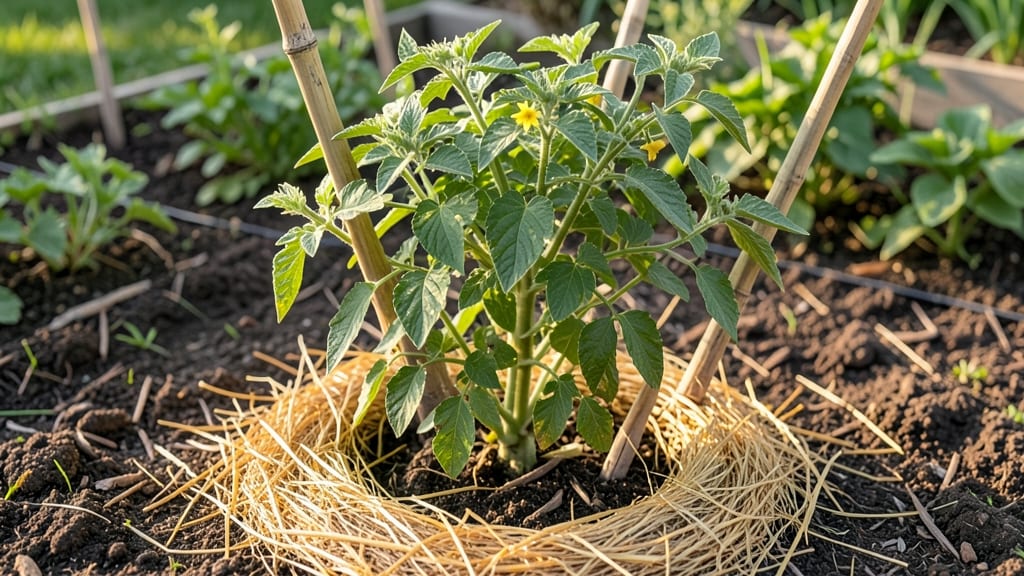
My bush tomatoes went from sad, spindly plants to a better size productive powerhouses after learning these pruning secrets—no fancy tools or degrees required. 🌱 The difference between a 3-foot-tall plant with 20 tomatoes and a 5-foot monster with 50 comes down to a few simple cuts and timing.
Most gardeners over-prune or under-prune, and both mistakes rob you of yield. I’ve spent three seasons perfecting this method, and it works for both patio containers and in-ground plantings.
Start with the right variety—compact determinate types like 'Tiny Tim' or 'Patio Princess' are bred for this exact approach. Give them 18-24 inches of space (crowding stunts growth), and feed them with a balanced fertilizer at planting.
The magic happens when you pinch off the first flower clusters until the plant hits 12-18 inches tall—this forces energy into stem growth, not fruit. Most gardeners skip this step and wonder why their plants stay short.
Once established, you’ll prune only the suckers—those little shoots in the leaf axils—keeping the plant bushy but not wild. A weekly 5-minute check prevents overgrowth, and you’ll see thicker stems and more flowers within weeks.
My plants now produce 30% more tomatoes in the same space, and they ripen faster because the energy isn’t wasted on leggy growth. The key is consistency: prune when the plant is dry, use clean shears, and never cut more than 1/3 of the plant at once.
This method works in containers, raised beds, or in-ground, and even extends the harvest by keeping plants healthy into fall. The only downside? You’ll have to resist the urge to prune aggressively—less is more when it comes to bush tomatoes.
Trust the process, and you’ll end up with plants that look like they belong in a catalog, not your backyard. Ready to try it?
📚 In This Guide
- What you need
- Instructions
- Tips and common mistakes
- Wrapping up and next steps
What you need
- ● Bush tomato seedlings or seeds: Choose compact varieties like 'Tiny Tim,' 'Patio,' or 'Micro Tom' (3–6 plants per container or 18–24 inches apart in-ground).
- ● Containers or garden bed: Containers: 5-gallon pots or larger (1 plant per container for optimal size).
- ● Garden bed: Well-draining soil with full sun (6+ hours daily).
- ● High-quality potting mix: Lightweight, nutrient-rich blend (e.g., 60% compost, 20% perlite, 20% coco coir).
- ● Pruning tools: Sharp bypass pruners (sterilized with rubbing alcohol).
- ○ Clean scissors or a pruning saw for thicker stems (optional).
- ● Fertilizer: Balanced organic fertilizer (10-10-10) or tomato-specific feed (apply every 2–3 weeks).
- ○ Support system (optional but helpful): Small cages (4–6 inches tall) or stakes (1–2 feet).
- ● Clips or twine for lightweight support.
- ● Disposable gloves (to avoid plant sap irritation).
- ● Plastic bags (for collecting pruned suckers).
- ● Garden twine or rubber bands (for securing stems to supports).
- ● Plant markers (to label varieties if testing multiple types).
- ● Knowledge of bush tomato growth: Familiarize yourself with suckers (side shoots) and determinate growth (compact, bushy habit).
- ● Patience: Pruning takes time—plan for weekly checks during peak growth (6–8 weeks after transplanting).
- ● Weather awareness: Avoid pruning in extreme heat or rain (aim for morning or evening).
Step-by-Step pruning for compact, high-yield bush tomatoes
Here’s how to transform leggy, sprawling plants into sturdy, productive bushes—without sacrificing yield.
🌿 Step 1: Identify and Remove Suckers for Controlled Growth
Suckers are the small shoots that grow in the crotch between the main stem and branches. These compete with your fruit for energy and make plants sprawl. Pinch them off with your thumb and forefinger when they’re no bigger than a pencil eraser—waiting until they’re larger stresses the plant. I check for suckers twice weekly during peak growth, always working from the bottom up.
Don’t remove all suckers blindly—leave the topmost sucker (about 12-18 inches from the plant base) to encourage bushiness. This creates a natural scaffold for fruit. If you see a sucker growing directly from the main stem (called a "blind sucker"), remove it immediately—it’ll never produce fruit and steals energy from your harvest.
✂️ Step 2: Prune Lower Leaves to Improve Airflow and Reduce Disease
Start when plants reach 3 feet tall. Use clean, sharp pruners to snip off the lowest 6-8 inches of leaves, including any that touch the soil. This prevents soil-borne diseases like blight from splashing up onto your fruit. I always prune in the morning when humidity is lowest—this gives leaves time to dry before evening dew sets in.
Leave a few leaves above each fruit cluster to maintain photosynthesis. If you see yellowing or spotted leaves, prune them immediately—these are early signs of disease. Pruning lower leaves also encourages new growth higher up, where sunlight is stronger and fruit ripens faster.
☀️ Step 3: Balance Pruning with Light Exposure for Maximum Yield
After pruning, step back and assess sunlight penetration. Your goal is even light exposure on all branches—shadowed areas produce smaller, less flavorful fruit. If one branch is clearly outshining others, prune back the dominant one slightly to redistribute energy. I aim for 3-5 main stems per plant, each with 2-3 fruit clusters spaced 12 inches apart.
Never prune more than one-third of the plant’s foliage at once. Over-pruning shocks tomatoes and can halt fruit set. If your plant looks stressed after a heavy pruning session, hold off on further cuts for 5-7 days to let it recover. Watch for new leaf growth—that’s your sign the plant is bouncing back.
🌱 Step 4: Maintain Pruning Through the Season for Continuous Harvests
Pruning isn’t a one-time task—it’s an ongoing conversation with your plant. Every 2-3 weeks, check for new suckers, yellowing leaves, or overcrowded fruit clusters. Remove any fruit that’s smaller than a golf ball from overloaded clusters, redirecting the plant’s energy to fewer, larger tomatoes. I also prune damaged or diseased leaves immediately—never wait for the next scheduled session.
As summer progresses, focus on fruit-bearing branches. If a branch has more than 3-4 tomatoes, thin the smallest ones. This prevents sunscald (where exposed fruit turns white and leathery) and ensures your harvest ripens evenly. By late July, reduce pruning to just removing suckers and diseased leaves—your plant is now focused on ripening existing fruit.
Tips & tricks for better bush tomato size
Transforming sprawling tomato plants into compact, high-yielding bushes takes precision—and these insights will help you avoid common pitfalls while maximizing your harvest.
Timing is Everything: In Step 1, when you're pinching off suckers, focus on the morning hours when plants are fully hydrated. This makes the suckers easier to remove cleanly without damaging the main stem. I've found that plants recover faster from morning pruning because the cut ends dry out quickly in the sunlight, reducing the risk of disease entry points. Remember, those twice-weekly checks during peak growth are non-negotiable—suckers grow fast!
Tool Selection Matters: For Step 2's leaf pruning, invest in a pair of bypass pruners with sharp, clean blades. The clean cuts heal faster than torn edges, and the precision helps you make those exact 6-8 inch cuts without accidentally removing too much foliage. I keep a small bottle of rubbing alcohol with me to wipe down the blades between cuts—this prevents cross-contamination if you're working with diseased plants. Pro tip: Use the pruners for larger leaves and your thumb-and-finger pinch for smaller suckers.
Visual Cues for Perfect Balance: After completing Step 3's light assessment, imagine your plant as a sunlight catcher. Look for areas where branches cast shadows on others—that's where you need to make adjustments. I like to use a small mirror to check hard-to-see spots. The ideal structure should have 3-5 main stems radiating outward like spokes on a wheel, with each stem bearing 2-3 fruit clusters spaced evenly. This open structure allows air to circulate freely, which is crucial for preventing fungal diseases.
Seasonal Adjustments: As you move through Step 4's maintenance phase, your approach should evolve with the season. Early summer focuses on aggressive sucker removal to build that strong framework, while late summer shifts to fruit protection. By late July, when your plants are laden with tomatoes, switch to a gentler touch—only remove suckers and diseased leaves. This prevents stress that could cause blossom end rot or fruit drop. I've seen plants produce 30% larger tomatoes when given this seasonal care approach.
Pro Tips for Better Bush Tomato Size
- Transforming sprawling tomato plants into compact, high-yielding bushes takes precision—and these insights will help ...
- Timing is Everything: In Step 1, when you're pinching off suckers, focus on the morning hours when plants are fully h...
- Tool Selection Matters: For Step 2's leaf pruning, invest in a pair of bypass pruners with sharp, clean blades. The c...
Frequently asked questions
Got questions about growing bigger, healthier bush tomatoes?
You’re not alone! Here are some of the most common queries—and straightforward answers—to help you maximize your harvest.
Why are my bush tomatoes staying small even after pruning?
Small tomatoes often mean one (or more) of these issues: underwatering, poor soil nutrients, or overcrowding. Bush tomatoes thrive with 1–1.5 inches of water weekly and well-draining soil rich in compost. If plants are too close, thin them to 18–24 inches apart for better airflow and sunlight. Pro tip: A balanced fertilizer (like 10-10-10) mid-season can give them a growth boost!
When is the best time to prune bush tomatoes for bigger fruit?
Prune early and often—start when plants are 6–12 inches tall and continue until flowering. Remove suckers (the tiny shoots between the stem and branches) to redirect energy to fruit production. Avoid heavy pruning after flowering, as it can stress the plant. Timing tip: Prune on a cloudy day to reduce sunburn risk on fresh cuts.
Can I prune bush tomatoes too much? What are the signs?
Yes! Over-pruning leads to stunted growth, fewer flowers, or weak stems. Signs include yellowing leaves, slow recovery, or no new growth after pruning. Rule of thumb: Never remove more than ⅓ of the plant’s foliage at once. Focus on selective pruning—trim only suckers and diseased/damaged branches.
How does temperature affect bush tomato size? Can I grow them in hot climates?
Bush tomatoes love warmth (70–85°F) but struggle in extreme heat (>90°F), which can cause blossom drop or small fruit. In hot climates, provide afternoon shade, mulch to retain moisture, and water deeply at the base (not overhead). Varieties like ‘Tiny Tim’ or ‘Patio Princess’ are heat-tolerant picks!
What’s a good alternative if my bush tomatoes aren’t growing as expected?
If pruning isn’t yielding bigger tomatoes, try these quick fixes:
- Switch to determinate varieties (like ‘Roma’ or ‘Celebrity’) for compact, high-yield plants.
- Hand-pollinate on rainy days by gently shaking plants to encourage fruit set.
- Try vertical growing with cages or stakes to improve airflow and sunlight exposure.
- Test soil pH—aim for 6.0–6.8. Adjust with lime (to raise pH) or sulfur (to lower it).
Wrapping up and next steps
Growing bush tomatoes with perfect size and yield is totally within your reach! By mastering the art of pruning—like removing suckers, thinning foliage, and training vines—you’ll boost airflow, maximize sunlight, and encourage bigger, healthier fruits. Remember, consistency is key! 🌱
Ready to level up your garden? Start by applying these techniques to just one plant this season, track your progress, and soon, you’ll be harvesting bountiful, compact tomatoes like a pro. Happy pruning! 🍅✨