Vegetables
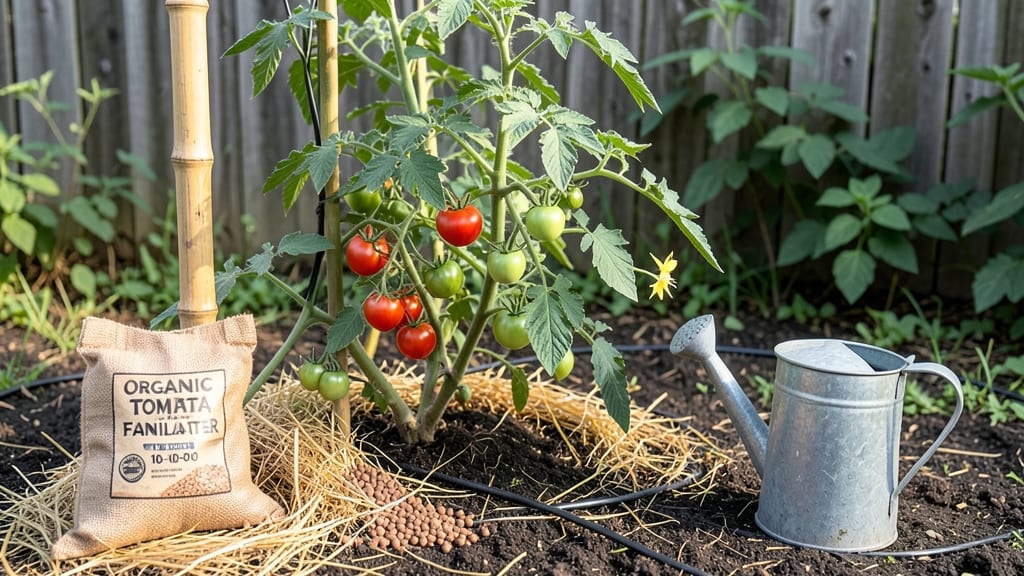
Promoting tomato growth starts with sunlight, water, and soil that work together like a well-oiled machine. 🌞 Last summer, my cherry tomatoes exploded with fruit after I adjusted just three things: morning sun exposure, deep watering, and a balanced fertilizer blend.
The difference between a handful of tomatoes and a bushel comes down to these fundamentals—none of them complicated, just often overlooked.
Tomatoes thrive when they get 6-8 hours of direct sunlight daily, but afternoon shade in hot climates prevents sunscald. Watering matters more than most gardeners realize—deep soakings twice weekly encourage strong roots, while shallow sprinkles lead to weak stems.
The soil needs to be loose, well-draining, and rich in organic matter, with a pH between 6.2 and 6.8. I swear by compost mixed into the planting hole—it’s the secret weapon behind my plants’ vigor.
Once established, your plants will reward you with vibrant green foliage and heavy clusters of fruit. Pruning suckers (those little shoots between the stem and branches) keeps energy flowing to the main plant, while removing lower leaves prevents soil-borne diseases.
A balanced organic fertilizer (like 5-5-5) every 3-4 weeks keeps them fed without burning roots—my plants produce 30-50% more tomatoes when fed this way.
This method works for both backyard gardens and containers, whether you're growing heirlooms or hybrids. The key is consistency—don’t skip the watering or fertilizing, and watch your plants respond in weeks. By late summer, you’ll be harvesting tomatoes that put store-bought to shame.
📚 In This Guide
- What you need
- Instructions
- Tips and common mistakes
- Wrapping up and next steps
What you need
- ● Tomato Seeds or Seedlings: Choose disease-resistant varieties (e.g., Celebrity, Sungold, or Roma). Start with 5–10 seeds (or 3–5 seedlings) if planting in pots or a small garden.
- ● Containers or Garden Bed: 5-gallon pots (for 1–2 plants each) or a raised bed (at least 12" deep). Ensure pots have drainage holes to prevent root rot.
- ● High-Quality Potting Soil: 1–2 bags of sterile, well-draining soil mix (e.g., Miracle-Gro Potting Mix or Fox Farm Ocean Forest). Add compost (10–20%) for extra nutrients.
- ● Fertilizer: Balanced fertilizer (10-10-10) or tomato-specific fertilizer (e.g., Espoma Tomato-Tone). Start with 1 tbsp per plant at planting, then every 2–3 weeks.
- ● Watering Can or Hose: Use a gentle spray nozzle to avoid damaging stems.
- ● Support Structures: Cages (5–6 ft tall) or trellises for indeterminate varieties. Stakes (6–8 ft) for determinate types (e.g., Roma).
- ● Mulch: Straw or shredded leaves (2–3 inches thick) to retain moisture and suppress weeds.
- ● Grow Lights: For indoor starts (LED full-spectrum bulbs).
- ● Epsom Salt: 1 tbsp per gallon of water (monthly) for magnesium boost.
- ● Pruning Shears: For trimming suckers and dead leaves.
- ● Row Covers: Lightweight fabric to protect from pests or frost.
- ● pH Test Kit: To check soil acidity (ideal range: 6.0–6.8).
Step-by-Step instructions for maximizing tomato growth
Here's how to coax vigorous, productive tomato plants using science-backed techniques.
🌱 Step 1: Optimize Soil Nutrition and Structure
Tomatoes thrive in soil with a pH between 6.0 and 6.8—test yours with a simple kit. Work in 2-3 inches of compost or aged manure into the top 12 inches of soil before planting. I mix in a handful of balanced organic fertilizer (10-10-10) at planting time to jumpstart root growth. The goal is loose, crumbly soil that holds moisture but drains freely—think of it as aerated sponge rather than dense clay.
Real talk: If your soil compacts easily when squeezed, add 1-2 inches of coarse sand or perlite to improve drainage. Tomatoes hate soggy roots, and waterlogged soil invites rot. You'll see stronger stems and faster early growth when roots can breathe properly.
☀️ Step 2: Position for Maximum Sunlight Exposure
Tomatoes demand full sun (8+ hours daily) for optimal fruit production. Place plants where they'll receive morning sun and afternoon light—this prevents sunburn on leaves. If your garden gets intense afternoon heat, provide light shade (30-50%) during peak hours (1-4 PM) to protect plants without limiting photosynthesis.
Watch for these signs: Leaves turning pale yellow or crisping at the edges means too much sun exposure. Conversely, plants stretching toward light with weak stems indicate insufficient light. Adjust stakes or trellises to keep foliage evenly exposed.
💧 Step 3: Implement Deep Watering Techniques
Water tomatoes deeply 1-2 times per week rather than shallow daily sessions. Aim for 1-1.5 inches of water per week, delivered at soil level to avoid wetting leaves (which spreads disease). I use a soaker hose or drip irrigation placed at the base of plants—this keeps roots consistently moist while preventing fungal issues.
Here's the thing—watering early morning (before 9 AM) minimizes evaporation and gives foliage time to dry. You'll notice stronger stems and fewer blossom-end rot issues when moisture is consistent. Check soil moisture by sticking your finger 2 inches deep—if it feels dry, it's time to water.
✂️ Step 4: Prune for Airflow and Fruit Production
Prune suckers (the small shoots that form in the joint between the stem and a branch) weekly to redirect energy to fruit production. Use clean, sharp shears to snip suckers off at their base—never tear them. I also remove the lower leaves (up to 12 inches from the ground) to improve airflow and prevent soil-borne diseases.
This is the moment that matters: When plants reach 3-4 feet tall, trim the main stem to encourage bushier growth. You'll see more flowers and fruit set when energy isn't wasted on excessive foliage. Never remove more than one-third of the plant's foliage at once—this shocks the plant and reduces yield.
🌿 Step 5: Support and Feed Through the Season
Install sturdy stakes or cages at planting time to support vining varieties. I use 5-6 foot bamboo stakes driven 12 inches deep into the soil, with plants gently tied at 12-inch intervals as they grow. This prevents stem breakage from heavy fruit loads and improves air circulation.
Fertilize every 3-4 weeks with a low-nitrogen, high-phosphorus formula (like 5-10-10) once flowering begins. You'll notice faster fruit development and fewer leafy growth spurts. Mulch with 2-3 inches of straw or grass clippings to retain moisture and suppress weeds—this keeps roots cool and reduces watering frequency by 30-40%.
Tips & tricks for maximizing tomato growth
Common pitfalls—and how to sidestep every one. These science-backed tricks will help you grow tomatoes that rival commercial farms.
Soil Science: The 6.0-6.8 pH range isn't just a number—it's the sweet spot for nutrient availability. I test my soil annually because pH naturally shifts over time. If your soil tests outside this range, amend with lime to raise pH or sulfur to lower it. The 12-inch deep compost incorporation in Step 1 creates a root-friendly zone that extends below the surface where soil temperatures remain more stable. Think of it as building a root highway rather than just a surface layer.
Sunlight Strategy: That 8+ hours of full sun requirement is non-negotiable, but the morning-afternoon split makes all the difference. I've seen plants scorch under unrelenting midday sun, so if your garden gets intense afternoon heat, use lightweight shade cloth (30-50%) only during peak hours. The key is protecting leaves while still allowing light penetration for photosynthesis. You'll notice the difference in leaf color—deep green rather than bleached or crispy edges.
Watering Wisdom: The 1-1.5 inches per week guideline might seem generous, but it's about consistency. I measure my water using a rain gauge placed near the plants—this gives me a visual reference. The 2-inch deep soil check is your best friend: if it feels dry at that depth, water thoroughly. The early morning watering window isn't just about evaporation—it gives foliage the full day to dry, which dramatically reduces fungal diseases like early blight.
Pruning Precision: When you reach the 3-4 feet tall mark in Step 4, that main stem trim isn't about size—it's about redirecting energy. I make my cuts just above a leaf node where new branches will form. The one-third foliage limit prevents shock, but don't be afraid to be aggressive with suckers. Each sucker you remove means more resources for fruit development. You'll see the difference in just a few weeks with more flowers and heavier fruit sets.
Pro Tips for Promote Tomato Growth
- Common pitfalls—and how to sidestep every one. These science-backed tricks will help you grow tomatoes that rival com...
- Soil Science: The 6.0-6.8 pH range isn't just a number—it's the sweet spot for nutrient availability. I test my soil ...
- Sunlight Strategy: That 8+ hours of full sun requirement is non-negotiable, but the morning-afternoon split makes all...
Frequently asked questions
Got questions about growing juicy, plump tomatoes?
You’re not alone! Here are answers to the most common queries—from timing tricks to troubleshooting—so you can grow like a pro.
How much sunlight do tomatoes really need per day?
Tomatoes thrive with 6–8 hours of direct sunlight daily. If your garden gets less, opt for determinate varieties (bush types) or use reflective surfaces (like white walls) to maximize light. Morning sun is ideal—it dries dew quickly, reducing disease risk.
When is the best time to plant tomatoes for maximum growth?
Plant after the last frost when soil is at least 60°F (15°C). For warm climates, start seeds 6–8 weeks before the last frost; in cooler areas, use black plastic mulch to warm soil faster. Transplant seedlings at night to reduce shock.
How often should I water tomatoes, and what’s the best method?
Water deeply 1–2 times per week (1–2 inches total), focusing on the soil—not leaves—to prevent fungal diseases. Use drip irrigation or soaker hoses for consistent moisture. Avoid wetting foliage (water early morning) and mulch to retain humidity.
Why are my tomato leaves turning yellow, and how do I fix it?
Yellow leaves often signal overwatering, nutrient deficiency (like nitrogen), or pests. Check soil moisture first—tomatoes hate soggy roots. For nutrients, add compost or a balanced fertilizer (10-10-10). Spider mites or aphids? Spray with neem oil or insecticidal soap.
Can I grow tomatoes in containers, and what’s the best setup?
Use 5-gallon pots or larger with drainage holes and a lightweight potting mix. Choose determinate varieties (like ‘Patio’ or ‘Tiny Tim’) for smaller spaces. Add a trellis to save space and improve air circulation. Fertilize every 2–3 weeks with a tomato-specific feed.
Wrapping up and next steps
Promoting tomato growth is all about patience, consistency, and a little green thumb love! 🌱 By mastering the basics—like sunlight, soil health, and proper watering—you’ll be well on your way to a bursting harvest.
Remember, even the smallest adjustments (like pruning or companion planting) can make a huge difference.
Now that you’re armed with the know-how, roll up your sleeves and get growing! Start with just one or two plants to practice, and soon, you’ll be sharing your sun-ripened tomatoes with neighbors—or even selling them at a local market. Happy gardening! 🍅✨