
How To
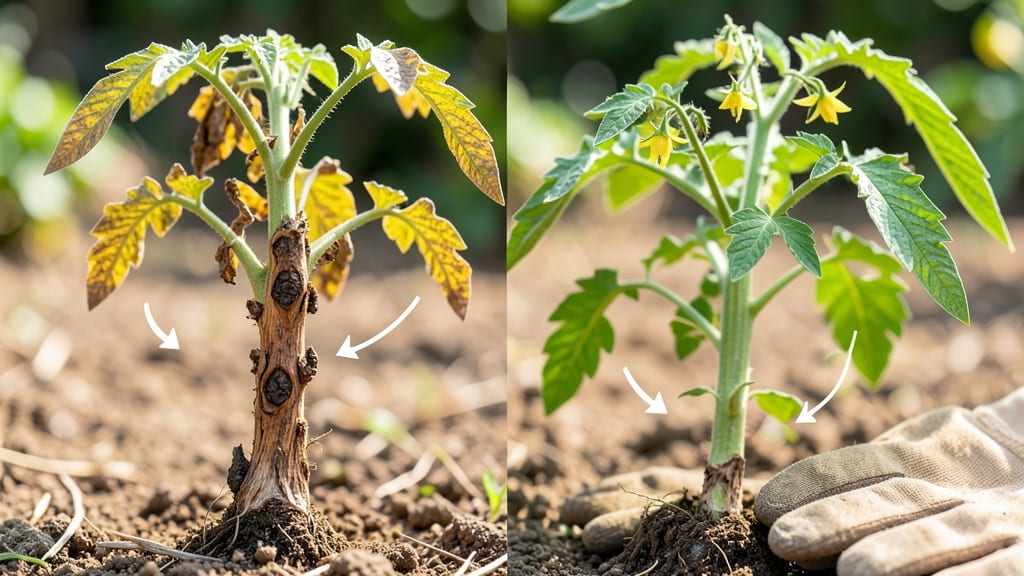
Brown tomato stems can turn a thriving plant into a sad, wilted mess—but here's the quick fix that saves your harvest every time. 🌱 I've seen gardeners panic over this problem, only to discover it's usually one of three simple issues: overwatering, fungal blight, or even sunscald from too much sun.
The good news? Each has a fast solution that gets your plants back to producing juicy, red tomatoes in no time.
The first step is diagnosing the problem: check if the brown stems feel mushy (overwatering), have dark spots (blight), or look crispy (sunscald). Once you know the cause, the fix is straightforward—whether it's adjusting your watering schedule, applying a simple fungicide spray, or moving your plants to a shadier spot.
I've saved plants that looked doomed within 24 hours using these methods.
You'll end up with plants that look healthy again, producing tomatoes with perfect stems that don't snap or rot. The key is acting fast—before the issue spreads to the rest of the plant.
With the right approach, your tomatoes will bounce back stronger than ever, and you'll avoid this problem next season.
This works for both garden beds and containers, and the solutions are budget-friendly—no fancy tools or expensive treatments needed. Let's get your tomato plants back on track before it's too late!
Root Causes Of Stem Discoloration
Understanding why your tomato stems turn brown is the first step toward preventing it—and saving your harvest. Brown or blackened stems on tomatoes are rarely just a cosmetic issue; they often signal underlying problems with moisture, disease, or physical damage.
Below, we break down the most common culprits, backed by science, so you can diagnose the issue like a pro.
Tomatoes are thirsty plants, but too much water—especially when combined with poor soil drainage—can lead to anaerobic conditions (lack of oxygen) in the roots. When roots suffocate, they struggle to absorb nutrients, causing stress that manifests as brown or blackened stems.
- Why it happens: Excess moisture triggers phytohormonal imbalances, particularly ethylene production, which weakens cell walls and leads to browning.
- Actionable signs:
- Soil stays soggy for days after watering.
- Stems feel mushy or hollow when pressed.
- Leaves yellow (chlorosis) before stems darken.
- Fix it: Water deeply but infrequently (1–1.5 inches per week), and amend soil with perlite or compost to improve aeration.
Fungal pathogens like **early blight (Alternaria solani) or late blight (Phytophthora infestans) thrive in warm, humid conditions. These diseases don’t just spot leaves—they attack stems, causing necrotic (dead) brown or black lesions that spread rapidly.
- Why it happens: Fungal spores land on stems, especially after rain or overhead watering.
High humidity (above 75% for prolonged periods) creates the perfect breeding ground. - Actionable signs: - Concentric rings or irregular brown patches on stems. - Blackened, crusty lesions that spread upward. - Wilting despite adequate water (a classic blight symptom). - Fix it: - Prevent: Space plants for airflow, water at the base, and apply copper fungicide as a preventative. - Treat: Remove infected plants immediately and spray with baking soda solution (1 tsp baking soda + 1 quart water + a drop of dish soap) for mild cases.
Bruised or crushed stems from rough handling (think: snapping tomatoes off vines or hail damage) expose internal tissues to oxidation, turning them brown. Even a small tear can invite bacteria or fungi to colonize the wound.
- Why it happens: When stem tissue is damaged, polyphenol oxidase enzymes react with oxygen, creating brown pigments (like how an apple turns brown when sliced).
- Actionable signs**:
- Brown streaks or spots only at the stem’s base or where it was trimmed.
- No other plant symptoms (e.g., wilting, leaf drop).
- Stems feel soft or split open.
- Fix it:
- Harvest gently: Twist tomatoes gently at the stem (don’t pull!) to avoid tearing.
- Sanitize tools: Use rubbing alcohol on pruners to prevent bacterial spread.
- Trim properly: If pruning, cut 1/4 inch above a leaf node (not too close!) to promote faster healing.
Tomatoes need a balanced diet of nitrogen (N), phosphorus (P), and potassium (K). Too little (or too much) of any nutrient can stress plants, leading to stem discoloration.
- Why it happens:
- Potassium deficiency weakens cell walls, making stems prone to browning.
- Excess boron or manganese can cause necrotic spots on stems.
- Calcium deficiency (blossom end rot’s cousin) can lead to internal browning, even in stems.
- Actionable signs:
- Potassium deficiency: Older leaves yellow at edges, stems develop brown streaks.
- Boron toxicity: Brown, corky lesions on stems and leaves.
- Calcium deficiency: Stems may crack or develop dark, sunken patches.
- Fix it:
- Test soil: Use a DIY soil test kit or send a sample to a local extension office.
- Amend soil: Add wood ash (for potassium), crushed eggshells (for calcium), or Epsom salt (for magnesium) as needed.
Extreme temperatures—whether frost damage or heat stress—can cause stems to brown as cells rupture or proteins denature.
- Why it happens:
- Cold damage: Ice crystals form in stem tissues, bursting cell walls (like overfilling a water balloon).
- Heat stress: High temps (>90°F) disrupt photosynthesis, leading to oxidative stress and browning.
- Actionable signs:
- Brown patches only on stems exposed to elements (e.g., upper stems in heat, lower stems in frost).
- Wilting or scorched leaves paired with stem discoloration.
- Fix it:
- Protect plants: Use row covers for frost or shade cloth in extreme heat.
- Mulch: Apply straw or grass clippings to regulate soil temperature.
Pests like aphids, spider mites, or tomato hornworms don’t just eat leaves—they inject toxins or create entry points for disease. Their feeding can cause stems to brown as the plant’s defenses kick into overdrive.
- Why it happens: Pests introduce salivary enzymes that trigger phenolic compounds in the plant, leading to browning and necrosis.
- Actionable signs:
- Sticky residue (honeydew) on stems.
- Tiny holes, chewed edges, or webbing.
- Brown, curled stems near pest activity.
- Fix it:
- Inspect plants daily (especially undersides of leaves).
- Spray with neem oil or introduce beneficial insects (ladybugs, lacewings).
- Handpick hornworms or large larvae.
Fixing Discolored Tomato Stems
Now that you know why your tomato stems turn brown, let’s tackle the solutions—quick, practical, and foolproof! Below, we’ve mapped out the most common causes to their fixes, along with prevention tips to keep your tomatoes looking fresh and your kitchen prepped like a pro.
If your tomato stems are browning because they’ve been sitting too long or exposed to air, the fix is simple but critical.
How to Fix It:
- 🔪 Trim the Stem: Use a sharp knife to cut off the browned stem at a clean angle. This prevents the tomato from absorbing moisture and keeps it from spoiling faster.
- 🥘 Store Correctly: Place the tomato in the fridge (stem-side up) for short-term storage (1–2 days). For longer storage, keep it at room temperature away from direct sunlight.
- 🍅 Use a Paper Towel Trick: Wrap the trimmed stem in a paper towel to absorb excess moisture and slow browning.
Prevention Tips: ✅ Harvest at Peak Ripeness – Pick tomatoes when they’re fully colored but still firm. ✅ Store Whole When Possible – Only trim stems when ready to use. ✅ Avoid Crowding – Store tomatoes in a single layer to prevent bruising and stem damage.
If your tomato stems are browning due to heat stress or sun exposure, they need immediate care to prevent further spoilage.
How to Fix It:
- 💧 Hydrate the Tomato: Place the tomato in a bowl of cold water for 10–15 minutes to revive it. Pat dry gently with a paper towel.
- 🌿 Move to a Cooler Spot: Transfer it to a shaded area or the fridge to prevent further heat damage.
- 🍅 Use a Vinegar Soak (For Whole Tomatoes): If the stem is still attached, soak the tomato in a 1:4 vinegar-to-water solution for 5 minutes to sterilize and reduce browning.
Prevention Tips: ✅ Harvest in Early Morning – Pick tomatoes when they’re cool to avoid heat shock. ✅ Use Shade Cloth – If growing tomatoes outdoors, provide afternoon shade during peak summer heat. ✅ Water Deeply – Keep soil consistently moist to help tomatoes regulate temperature.
If brown stems are a sign of mold, rot, or bacterial infection, you’ll need to act fast to save the rest of your harvest.
How to Fix It:
- 🧼 Clean the Tomato: Rinse the tomato under cool water and gently scrub the stem with a soft brush to remove any visible mold or slime.
- 🍋 Vinegar or Baking Soda Spray: Mix 1 tablespoon of white vinegar or baking soda with 1 quart of water. Lightly spray the affected area (avoid soaking the tomato).
- 🚫 Isolate the Tomato: Keep infected tomatoes away from others to prevent spread.
Prevention Tips: ✅ Inspect Regularly – Check tomatoes for signs of rot or discoloration before storing. ✅ Avoid Overcrowding – Store tomatoes with airflow to prevent moisture buildup. ✅ Use Copper Spray – For garden tomatoes, apply a copper fungicide spray every 2–3 weeks as a preventive measure.
If your tomato stems are browning due to cold exposure, they may still be salvageable with the right care.
How to Fix It:
- 🔥 Warm the Tomato Gradually: Place the tomato in a bowl of warm (not hot) water for 10 minutes to thaw gently.
- 🌡️ Let It Acclimate: Remove it from the fridge and let it sit at room temperature for 1–2 hours before using.
- 🍅 Check for Soft Spots: If the tomato feels mushy or leaks, it’s best to discard it to avoid spoilage.
Prevention Tips: ✅ Store Tomatoes at Room Temp – Never refrigerate whole tomatoes long-term; cold damages their texture and flavor. ✅ Use a Cool, Dark Pantry – If you must store them longer, keep them in a breathable bag in a cool, dark place. ✅ Avoid Temperature Fluctuations – Don’t move tomatoes from hot to cold environments abruptly.
- 🍅 Stem Down, Not Up – Store tomatoes stem-side down to slow moisture loss and browning.
- 🥗 Use a Breathable Container – Paper bags or perforated plastic bags allow airflow and reduce condensation.
- 📅 Rotate Your Stock – Use older tomatoes first to prevent overripening and stem discoloration.
With these fixes, your tomatoes will stay fresh longer, and those brown stems won’t ruin your culinary plans. Happy cooking! 🍅🔥
Frequently asked questions
Why do my tomato stems turn brown after picking?
This happens due to oxidation when the stem is exposed to air. When you cut the stem, enzymes react with oxygen, creating brown pigments. To slow it down, store tomatoes whole when possible or wrap the cut stem in a paper towel to absorb moisture.
Can I still use tomatoes with brown stems?
Yes, but only if the browning is superficial (like from oxidation). Cut off the browned part and use the tomato normally. If the stem feels mushy or the tomato is moldy, discard it to avoid spreading disease or spoilage.
How can I prevent brown stems on my tomato plants?
Focus on proper watering, airflow, and gentle harvesting. Water at the base (not overhead) to avoid fungal growth, space plants for airflow, and twist tomatoes gently at the stem instead of pulling to avoid tears.
Is brown stem a sign of disease?
Not always—but it could be! If the browning is paired with dark spots, wilting, or crusty lesions, it might be blight. Remove infected plants immediately and spray with a copper fungicide or baking soda solution to prevent spread.
Can I save a tomato plant with brown stems?
It depends! If the browning is from overwatering or sunscald, prune the damaged stems and adjust care. For disease, remove the entire plant to stop contamination. Healthy stems will regrow if the roots are still strong.