
Pests
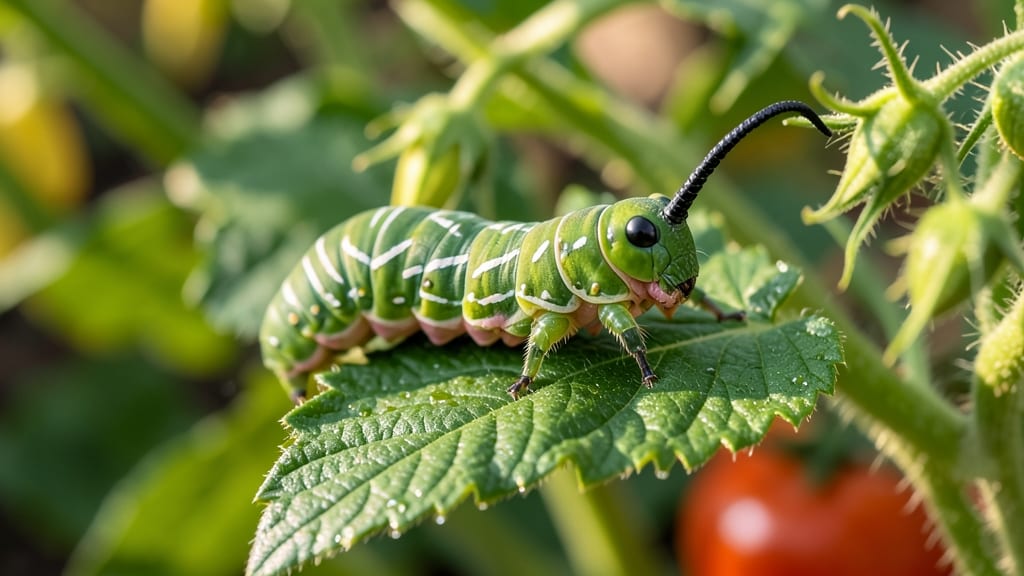
The bugs that like tomato plants are the bane of any gardener’s existence—hornworms, aphids, and whiteflies devour those lush leaves like an all-you-can-eat buffet. 🌱 The good news? Most of these critters leave behind telltale signs—skeletonized foliage, sticky residue, or tiny webs—that help you act fast before your harvest suffers.
Here's the thing—chemical sprays often do more harm than good, disrupting the delicate balance of your garden ecosystem. Instead, I rely on a mix of early identification, physical barriers, and natural predators to keep populations in check without sacrificing plant health.
My tomatoes now produce heavier, cleaner fruit than ever before.
You'll learn to spot the most common tomato pests within minutes of inspection, plus three foolproof deterrents that work before damage starts. The key is acting at the first sign of trouble—whether that's handpicking caterpillars or introducing beneficial wasps to your garden's pest patrol.
Works for backyard gardens, raised beds, and even container plants. Let's get those tomatoes thriving without the bug battle—your future harvest will thank you.
Natural Attractions Explained
Tomato plants are a buffet for pests—not just because they’re tasty, but because their biology, environment, and even your gardening habits create the perfect conditions for bugs to move in.
Understanding why these critters flock to your tomatoes is the first step in outsmarting them. Here’s the science behind their infatuation:
---
Tomatoes are like all-you-can-eat buffets for insects because they’re packed with sugars, proteins, and water—the perfect fuel for growth and reproduction. Here’s the breakdown:
- High Sugar Content: Tomato leaves and fruits contain glucose and fructose, which attract aphids, whiteflies, and hornworms.
These pests use sugars for energy, but they also excrete honeydew, a sticky byproduct that fosters sooty mold—a fungal hitchhiker that weakens plants. - Protein-Packed Leaves: Young tomato foliage is rich in nitrogen, a key ingredient for caterpillars (like tomato hornworms) and beetles (e.g., Colorado potato beetles).
Think of it as a high-protein diet for bugs, accelerating their life cycles. - Water-Rich Fruits: Overripe or damaged tomatoes ooze liquid sugars, luring fruit flies, wasps, and even raccoons. The moisture also creates a humid microclimate, ideal for fungus gnats and slugs.
Pro Tip: 🌡️ Over-fertilizing with nitrogen-heavy fertilizers (like blood meal) can make your plants even more appealing to leaf-chewers. Balance your soil with phosphorus and potassium instead!
---
Stressed or unhealthy tomato plants are like open invitations to pests. When your tomatoes are struggling, bugs detect their distress signals and move in for the kill. Common stress factors include:
| Stress Factor | Why Bugs Love It | How to Fix It | |--------------------------|--------------------------------------------------------------------------------------|------------------------------------------------------------------------------------| | Poor Drainage | Waterlogged roots attract root-knot nematodes and cutworms, which thrive in soggy soil. | Amend soil with compost or perlite; raise beds if needed. | | Drought Stress | Wilting plants produce volatile organic compounds (VOCs) that signal "easy prey" to aphids and spider mites. | Mulch heavily and water deeply at the base (avoid wetting leaves). | | Sunburn or Frost Damage | Damaged leaves release sugary sap, a magnet for hornworms and Japanese beetles. | Use shade cloth in extreme heat; cover plants with frost blankets in cold snaps. | | Overcrowding | Dense foliage traps humidity, creating a paradise for whiteflies and powdery mildew. | Prune suckers and thin plants for airflow; space them 18–24 inches apart. |
Pro Tip: ✨ Healthy plants = stronger defenses. Rotate crops yearly to prevent soil-borne pests from building up, and choose disease-resistant varieties (like ‘Celebrity’ or ‘Mountain Merit’).
---
Sometimes, the problem isn’t the tomatoes—it’s where and how you grow them. Bugs are opportunists, and certain gardening habits make your plot a pest party zone:
- Monoculture Planting: Growing only tomatoes in a large patch creates a bug buffet. Many pests, like Colorado potato beetles, specialize in nightshades (tomatoes, peppers, potatoes).
They’ll overwhelm a single-crop area. - Fix: Interplant tomatoes with basil, marigolds, or nasturtiums (natural repellents) or use companion planting with onions/garlic. - Nearby Weeds & Debris: Weeds like nightshade (Solanum spp.) and dandelions harbor egg-laying pests (e.g., tomato fruitworms).
Leaving garden trash or plant residues provides hiding spots for earwigs and slugs. - Fix: Keep the garden weed-free and clean up fallen leaves/fruit regularly. - Poor Airflow: Stagnant air traps humidity, perfect for fungus gnats and whiteflies.
It also makes it harder for beneficial insects (like ladybugs) to patrol your plants. - Fix: Stake or cage tomatoes for vertical growth and avoid overhead watering.
Pro Tip: 🎯 If you’ve had pest problems before, rotate planting locations yearly—many soil-dwelling pests (like nematodes) can’t survive without their host plants nearby.
--- Some pests are seasonal tourists, while others are year-round residents—and your local climate plays a huge role. Here’s how timing and weather set the stage:
- Spring Warmth: As temperatures rise, overwintering pests (like hornworm eggs or Colorado potato beetle larvae) hatch en masse.
Cooler springs delay outbreaks, but early heat waves can trigger explosive infestations. - Summer Humidity: High moisture levels boost fungal diseases (like early blight), which weakens plants and attracts sap-sucking bugs (e.g., aphids, whiteflies). - Fall Harvest Time: Ripe, rotting tomatoes on the vine or in the soil ferment, releasing ethanol and acids that attract fruit flies and wasps.
Even voles and raccoons get curious. - Fix: Pick tomatoes before they overripe; remove fallen fruit promptly.
Pro Tip: 🔥 Set up yellow sticky traps in early spring to monitor for whitefly and aphid migrations—early detection = easier control!
How to solve it
H2: Natural Ways to Protect Your Tomatoes
If your tomato plants are under siege by unwanted critters, don’t reach for harsh chemicals first! With a few simple, nature-backed strategies, you can keep pests at bay while nurturing a thriving garden.
Below are targeted solutions for the most common tomato plant pests—each paired with easy-to-follow fixes and prevention tips to keep your harvest safe and bountiful.
---
These striped caterpillars can strip a plant bare overnight. Here’s how to outsmart them:
- 🔥 Handpick them! Check leaves daily (especially in the morning) and drop hornworms into soapy water. They’re easy to spot—just look for their dramatic size and camouflage.
- 🍳 Introduce natural predators: Ladybugs, parasitic wasps, and praying mantises love munching on hornworms. Plant nearby flowers like dill or marigolds to attract them.
- 🌿 Use row covers: Lightweight fabric barriers (like floating row covers) can block hornworm eggs and adults while still allowing sunlight and water to reach your plants.
💡 Pro Tip: If you spot a hornworm, check nearby plants—these pests multiply fast! Remove any eggs (tiny green ovals) you find on the undersides of leaves.
---
Aphids cluster on new growth, sucking sap and spreading viruses. Try these gentle but effective methods:
- 👨🍳 Spray with soapy water: Mix 1 tablespoon of mild dish soap (like Castile) with 1 quart of water. Spray directly on aphids, focusing on the undersides of leaves. Reapply every few days until they’re gone.
- 🌡️ Blast them off: A strong stream of water from your hose can knock aphids off plants. Do this in the early morning so leaves dry quickly.
- 🎯 Encourage beneficial insects: Lacewings and hoverfly larvae are aphid-eating machines. Plant cosmos, yarrow, or fennel nearby to lure them in.
✨ Prevention Tip: Aphids love tender new growth. Pinch off suckers (side shoots) on tomato plants to reduce their appeal.
---
These tiny pests thrive in dry, hot conditions and can cause stippling or webbing on leaves. Combat them with:
- 💦 Increase humidity: Spider mites hate moisture. Mist plants regularly or use a hose-end spray nozzle to create a fine mist around foliage. Aim for early morning misting to prevent fungal issues.
- 🔪 Use neem oil: Mix 1 tablespoon of neem oil with 1 quart of water and a drop of dish soap (as an emulsifier). Spray every 5–7 days until mites disappear. Test on a small leaf first to avoid burning plants.
- 🌿 Release predatory mites: Phytoseiulus persimilis (a type of beneficial mite) can be purchased online and will hunt spider mites without harming your tomatoes.
💡 Pro Tip: Yellow sticky traps placed near plants can catch adult mites before they spread. Check traps weekly and replace as needed.
---
These orange-and-black beetles (and their striped larvae) can defoliate tomato plants in weeks. Stop them with:
- 🔪 Handpick adults and larvae: Look for beetles on the undersides of leaves and drop them into soapy water. Larvae hide near the soil—check the base of plants regularly.
- 🌿 Use diatomaceous earth: Sprinkle food-grade DE around the base of plants and on leaves. It’s a natural abrasive that kills beetles and larvae by dehydrating them. Reapply after rain.
- 🌱 Plant trap crops: Grow potatoes or eggplants nearby to distract beetles from your tomatoes. Remove and destroy infested plants promptly.
🎯 Prevention Tip: Colorado potato beetles overwinter in the soil. Till your garden in early spring to expose and kill overwintering eggs or larvae.
---
Once you’ve tackled an infestation, keep pests away with these proactive steps:
- 🌿 Rotate crops: Avoid planting tomatoes (or nightshades like peppers and eggplants) in the same spot yearly. This disrupts pest life cycles.
- 🍃 Interplant with repellents: Surround tomato plants with basil, garlic, onions, or marigolds. These act as natural pest deterrents and improve flavor.
- 💧 Water at the base: Wet foliage encourages fungal diseases and attracts pests. Always water at the soil level to keep leaves dry.
- 🌱 Choose resistant varieties: Some tomato types (like ‘Defiant,’ ‘Mountain Merit,’ or ‘Cherokee Purple’) are bred to resist common pests and diseases.
✨ Bonus Tip: Healthy plants are pest-resistant! Ensure your tomatoes get 6–8 hours of sunlight, 1–2 inches of water per week, and balanced fertilizer (high in phosphorus for flowering). Strong plants fend off pests better.
Frequently asked questions
What are the most destructive bugs that attack tomato plants?
The worst offenders include tomato hornworms (giant green caterpillars), aphids (tiny green/black clusters), whiteflies (tiny white moths), and Colorado potato beetles. These pests can defoliate plants or spread diseases that ruin your harvest. The key is acting fast at the first sign of damage.
How do I tell if my tomato plants have bug problems?
Look for skeletonized leaves (hornworms), sticky residue (aphid honeydew), tiny webs (whiteflies), or chewed holes (beetles). Check leaf undersides and stems daily—most pests hide there. Early detection means easier control before your plants suffer.
Are there any bugs that actually help tomato plants?
Ladybugs, lacewings, parasitic wasps, and praying mantises all eat tomato pests. You can attract them by planting marigolds, dill, or fennel nearby. Even ground beetles help by eating cutworms and slugs that target young plants.
Can I use chemical pesticides on my tomato plants?
While chemical sprays work, they often harm beneficial insects and can leave residues on your fruit. For organic gardens, stick to neem oil, soapy water sprays, or diatomaceous earth. If you must use chemicals, choose pyrethrin-based options and apply them early in the day to minimize harm to pollinators.
What's the best time of day to check for tomato plant pests?
Early morning is ideal—pests like aphids, whiteflies, and hornworms are sluggish when temperatures are cool. This is also when dew is present, making it easier to spot them. Avoid checking in the heat of the day, as many pests will hide or become less active.