
Planting
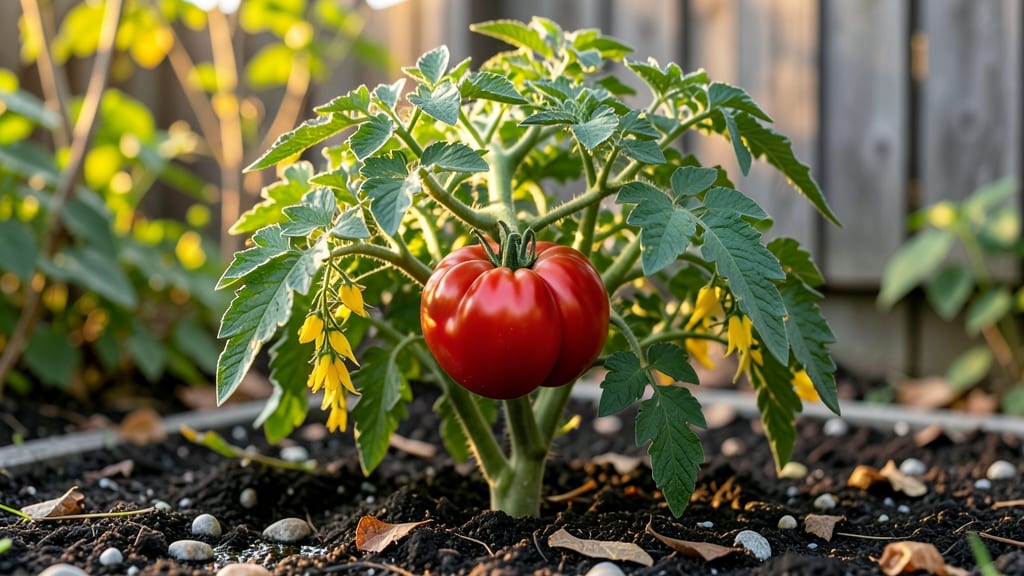
Planting a bush beefsteak tomato gives you 6-pound red fruits on compact vines that don't sprawl everywhere. 🌱 I learned the hard way that these beauties need the right balance of sunlight, soil, and space—or they'll fight you every step. The payoff?
Juicy, beefy tomatoes perfect for slicing straight from the vine, with none of the floppy stems of indeterminate varieties. Start with well-draining soil rich in compost (think 50% topsoil, 30% compost, 20% perlite), and place them where they get 6-8 hours of direct sun daily.
Unlike their viney cousins, these stay under 3 feet tall, so they fit neatly in raised beds or containers as small as 12 inches wide. The key is spacing: 24-36 inches apart gives them room to breathe without competing for nutrients.
Water deeply twice a week (more in heatwaves), keeping soil moist but never soggy. Fertilize every 2-3 weeks with balanced 10-10-10 after flowers appear, and pinch off early suckers to focus energy on fruit. Prune only to remove diseased leaves—these tomatoes handle less fuss than most varieties.
By mid-summer, you'll harvest glossy red orbs that weigh more than your hand. Store them at room temp for 3-5 days or refrigerate for longer shelf life. The secret?
Start early, stay consistent, and let them ripen fully on the vine—that deep red color means flavor you won't find in grocery stores.
📚 In This Guide
- What you need
- Instructions
- Tips and common mistakes
- Wrapping up and next steps
What you need
- ● Bush Beefsteak tomato seeds or seedling – 1-2 plants (determinate variety, compact growth, ~3-4 ft tall).
- ● Containers or garden bed – 5-gallon pots (if container-growing) or well-draining soil in a sunny spot (6+ hours of sunlight).
- ● High-quality potting mix or garden soil – 5-10 lbs (amended with compost for nutrients).
- ● Balanced fertilizer (10-10-10 or 5-10-10) – 1-2 lbs (organic options like fish emulsion or worm castings work too!).
- ○ Tomato cages or stakes (optional but helpful) – 3-4 ft tall (for support, even though it’s a bush variety).
- ● Watering can or hose with a gentle nozzle – For consistent moisture (avoid soggy soil!).
- ● Pruning shears – Small, sharp pair for trimming suckers or dead leaves.
- ● Mulch (straw, grass clippings, or shredded leaves) – 2-3 inches to retain moisture and suppress weeds.
- ● Slow-release fertilizer tablets – For a nutrient boost as the plant grows.
- ● Drip irrigation system – For automated, efficient watering.
- ● Compost tea or liquid fertilizer – For a mid-season nutrient boost.
- ● Row covers or shade cloth – If growing in hot climates (prevents sunscald).
- ● Garden gloves – To protect your hands while planting or pruning.
How to grow a thriving bush beefsteak tomato plant
Here's my battle-tested approach to coaxing those legendary 1-pound+ beefsteak tomatoes from compact, high-yielding plants.
🌱 Step 1: Select and Prepare the Perfect Growing Spot
Bush beefsteaks need full sun (8+ hours daily) and rich, well-draining soil. I always choose a location with afternoon shade protection—intense late sun can scorch those massive fruits. Amend native soil with 2-3 inches of compost and a handful of balanced fertilizer (10-10-10) mixed into the top 12 inches.
Dig a hole twice as wide as the root ball but only as deep. The plant's graft union (if present) should sit 1 inch above soil level. This prevents rot while encouraging strong root development. Water the hole deeply before planting to eliminate air pockets.
☀️ Step 2: Plant and Stake for Maximum Support
Remove the plant from its container and gently tease apart roots that have circled the pot. Position it in the hole with the graft union (if present) facing outward—this helps identify the variety later. Backfill with native soil while holding the plant upright to prevent settling.
Install a 5-6 foot tall stake or heavy-duty cage immediately after planting. Bush varieties need support for those 1-pound fruits, and retrofitting stakes later risks damaging roots. I use bamboo stakes because they're sturdy yet flexible enough to sway with wind without breaking.
💧 Step 3: Water Deeply and Establish a Consistent Routine
Water thoroughly right after planting to eliminate air gaps, then maintain 1-1.5 inches of water weekly. The key is deep, infrequent watering—bush beefsteaks develop shallow roots, so consistent moisture prevents blossom-end rot. I water at the base in the morning to allow foliage to dry before evening.
Mulch with 2-3 inches of straw or shredded leaves to retain moisture and suppress weeds. Keep mulch 6 inches away from stems to prevent rot. You'll know your watering is right when the soil feels damp 2 inches down between waterings.
✂️ Step 4: Prune for Airflow and Fruit Production
Remove all suckers (shoots in leaf axils) to maintain the bush shape. These energy thieves reduce fruit size. I also prune lower leaves that touch the soil to prevent disease. Leave 4-5 main stems for optimal fruit production—more stems mean smaller beefsteaks.
When flowers appear, I thin clusters to 3-4 flowers per truss. This ensures larger fruit development. Remove any leaves shading the fruit clusters—good airflow prevents cracking. Watch for green shoulders on developing tomatoes; this signals they need more calcium (apply crushed eggshells or calcium supplement).
🌿 Step 5: Fertilize and Monitor for Peak Production
Side-dress with low-nitrogen fertilizer (5-10-10) when flowers appear, then again when fruit sets. Too much nitrogen produces leaves instead of tomatoes. I also sprinkle Epsom salt (1 tablespoon per plant) monthly for magnesium—this prevents yellowing between leaf veins.
Watch for first pink blush on fruits (about 70 days after transplanting). This is your harvest window. Pick regularly to encourage more production. If birds become a problem, cover plants with lightweight netting—those massive tomatoes are irresistible to feathered thieves.
Tips & tricks for growing juicy beefsteak tomatoes
These battle-tested insights will help you coax those legendary 1-pound tomatoes from your compact plants.
Soil Preparation Secret: The 2-3 inches of compost and 12 inches of amended soil in Step 1 aren't just numbers—they create that perfect loose, crumbly texture beefsteaks crave. I sift in a handful of perlite to improve drainage, especially if your native soil is heavy clay. This prevents those dreaded cracked fruits while keeping roots oxygenated. The graft union's 1-inch above-ground placement is critical too—it's your plant's Achilles' heel when buried too deep.
Staking Strategy: Don't wait until you see those first tomatoes to install your 5-6 foot stake! The moment you plant, drive that stake deep enough so it won't wobble when you push it. I use bamboo because it flexes with wind without snapping, but metal cages work too. Pro tip: Tie the main stems to the stake with soft plant ties every 6-8 inches as they grow—this prevents the plant from snapping when those 1-pound fruits develop.
Watering Wisdom: That 1-1.5 inches weekly guideline assumes average summer conditions. In my hot, dry climate, I actually measure my watering can and deliver exactly 1 gallon per plant every 4-5 days instead. The key is consistency—let the top 2 inches of soil dry between waterings, but never let it get bone-dry. I've found that morning watering at the base (not the leaves) prevents fungal diseases while keeping those shallow roots happy. That 6-inch mulch clearance is non-negotiable—wet stems breed disease faster than you can say "blight."
Pruning Payoff: When you're thinning those flower clusters to 3-4 blooms per truss in Step 4, think of it as an investment. Fewer fruits mean each one gets maximum nutrients and sunlight, resulting in those perfect 1-pound beauties. I also make it a habit to remove any leaves with brown spots immediately—they're disease incubators. And here's a trick I learned the hard way: if you see those green shoulders on developing tomatoes, it's not just a calcium deficiency. It's often a sign your plant is stressed from inconsistent watering or poor drainage. That's when I reach for my crushed eggshells mixed with a bit of Epsom salt.
Pro Tips for Bush Beefsteak Tomato Plant
- These battle-tested insights will help you coax those legendary 1-pound tomatoes from your compact plants.
- Soil Preparation Secret: The 2-3 inches of compost and 12 inches of amended soil in Step 1 aren't just numbers—they create that perfect loose, crumbly texture beefsteaks crave.
- Staking Strategy: Don't wait until you see those first tomatoes to install your 5-6 foot stake!
Frequently asked questions
Got questions about growing your own bush beefsteak tomato plant? You’re in the right place! Whether you’re a first-time gardener or a seasoned green thumb, these answers will help you grow the juiciest, most flavorful tomatoes from your very own plant. Let’s dive in!
How tall does a bush beefsteak tomato plant typically grow?
A bush beefsteak tomato plant usually reaches 3–4 feet tall, making it one of the more compact varieties compared to indeterminate types. Since it’s a determinate plant, it grows in a bushy shape and stops growing once it sets fruit. This makes it perfect for containers, small gardens, or even balconies!
When is the best time to plant bush beefsteak tomatoes?
Start seeds indoors 6–8 weeks before your last frost date for a head start. Transplant seedlings outdoors after the soil warms to at least 50°F (10°C) and all danger of frost has passed. If you’re in a warmer climate, direct sow seeds in early spring once the ground is workable. Avoid planting too early—cold soil can stunt growth!
Do bush beefsteak tomatoes need pruning?
Unlike indeterminate varieties, bush beefsteak tomatoes rarely need heavy pruning. However, you can gently remove suckers (the small shoots in the leaf axils) to improve air circulation and fruit size. Focus on keeping the plant open and bushy rather than tall. If you notice yellowing leaves, prune those to redirect energy to the fruit.
What are the most common pests or diseases for bush beefsteak tomatoes, and how do I prevent them?
Watch out for aphids, hornworms, and early blight. To prevent pests, use neem oil or insecticidal soap as a natural deterrent. For diseases, space plants 18–24 inches apart for airflow and avoid overhead watering. If you spot spots on leaves, remove affected foliage and apply a copper fungicide if needed.
Can I grow bush beefsteak tomatoes in containers, and what size pot do I need?
Bush beefsteak tomatoes thrive in containers. Use a pot that’s at least 12–18 inches deep and wide to accommodate their roots. Ensure the container has drainage holes and fill it with well-draining potting mix. Place the pot in a spot that gets 6–8 hours of sunlight daily for the best results.
Wrapping up and next steps
Growing a bush beefsteak tomato plant is a rewarding journey that brings bold flavors and vibrant red fruit to your garden—or even your windowsill! With the right care, you’ll enjoy juicy, beefy slices perfect for burgers, salads, or fresh eating.
Whether you’re a seasoned gardener or just starting, these tips will help you nurture a thriving plant.
Now that you’re armed with the know-how, roll up your sleeves and get planting! 🌱 Start with healthy seedlings, give them love, and soon you’ll be harvesting tomatoes that taste like summer. Happy growing—and enjoy those delicious beefsteaks!