
Companion Plants
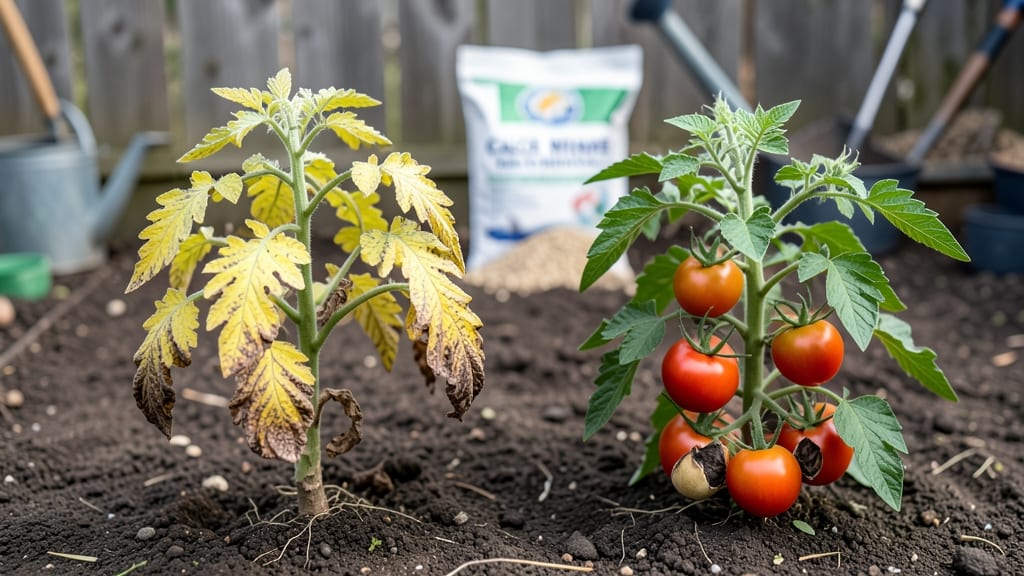
Your calcium-deficient tomato plants are screaming for calcium—but you might not hear it until the fruit starts rotting from the bottom. 🌱 Blossom-end rot isn’t just ugly; it’s a clear sign your plants need an immediate calcium boost, and the fix is simpler than you think.
I’ve seen this problem turn perfect tomatoes into mushy disappointments, but the right soil amendments—like crushed eggshells or a sprinkle of Epsom salt—can reverse it fast. The key is acting before the damage spreads, and I’ll show you how to spot the early warning signs.
With just a few adjustments—better watering, a thin layer of mulch, and the right organic calcium source—your next harvest will be crack-free, firm, and ready to eat straight off the vine. No more guessing games or wasted tomatoes.
This works for container gardens, raised beds, and even backyard plots. Let’s get those plants back on track—before another fruit turns to mush.
Root Causes Of Calcium Starvation
Calcium deficiency in tomato plants—often called "blossom-end rot"—isn’t just about a lack of calcium in the soil. It’s a complex issue tied to how plants absorb and transport nutrients, especially under stress.
Understanding the real culprits behind this problem helps you fix it before your tomatoes show the first signs of cracking or rot. Let’s break down the key reasons why your tomato plants might be starving for calcium, even when it’s technically present in the soil.
Tomatoes need calcium (Ca) to build strong cell walls, but they can’t absorb it efficiently if other factors are off. Here’s why uptake fails:
- Too Much Salt or Sodium High salinity (from fertilizers, poor-quality water, or excessive compost) blocks calcium absorption. Sodium and other ions compete with calcium for root uptake sites, leaving your plants starved even when calcium is in the soil.
- Low Soil pH (Too Acidic) Calcium is most available in soils with a pH between 6.0 and 7.0. If your soil is below 5.5, calcium binds tightly to soil particles and becomes locked away. Test your soil—if it’s acidic, lime (calcium carbonate) can help raise the pH.
- Compacted or Waterlogged Soil Roots need oxygen to absorb nutrients. In waterlogged or compacted soil, roots suffocate, slowing calcium uptake. Even if calcium is present, the plant can’t access it.
- High Potassium or Magnesium Levels These nutrients compete with calcium for uptake. A common mistake? Over-fertilizing with potassium-heavy fertilizers (like 5-10-10) without balancing it with calcium. Always follow the NPK ratio (e.g., 3-4-6) and supplement with calcium if needed.
Even with plenty of calcium in the soil, stress can stop it from reaching where it’s needed—like the growing fruit. Here’s how:
- Fluctuating Moisture Levels Calcium moves passively through the plant via water. If soil moisture swings between drought and flood, the plant can’t maintain steady calcium transport. Solution: Keep soil consistently moist (but not soggy) during fruiting.
- Extreme Heat or Cold High temperatures (above 90°F/32°C) or sudden cold snaps disrupt root function, reducing calcium absorption. If you’re growing in hot climates, mulch heavily to keep roots cool and water deeply in the early morning.
- Nitrogen Overload Too much nitrogen (common in fast-growing plants) speeds up growth but weakens cell walls, making them more prone to calcium deficiency. If your leaves are dark green and lush but fruits are cracking, you’re likely overdoing nitrogen.
Not all tomato varieties handle calcium the same way, and growth stages play a huge role:
- Rapid Fruit Growth Outpaces Calcium Supply When tomatoes grow too quickly (thanks to excess water or fertilizer), the plant can’t deliver enough calcium to the blossom end of the fruit fast enough. This is why large heirloom varieties (like Brandywine) are more prone to deficiency than smaller cherry tomatoes.
- Variety Susceptibility Some tomato types (like Beefsteak, Roma, and San Marzano) are more sensitive to calcium deficiency due to their thick flesh. Cherry tomatoes (like Sweet 100) are more resilient because their smaller size requires less calcium per fruit.
- Root Restriction in Containers Potted tomatoes compete fiercely for nutrients in limited soil. If roots are crowded or the container is too small, calcium uptake drops. Solution: Use at least 5-gallon pots and repot if roots circle the edges.
Even well-meaning gardeners can accidentally starve their tomatoes of calcium with these common errors:
- Using Synthetic Fertilizers Without Calcium Many quick-release fertilizers (like Miracle-Gro) are low in calcium but high in nitrogen. They fuel growth but leave plants vulnerable to deficiency. Solution: Switch to a balanced organic fertilizer (like 3-4-6) or supplement with gypsum or crushed eggshells.
- Hard Water vs. Soft Water Hard water (high in calcium and magnesium) can build up salts in soil over time, reducing nutrient availability. Soft water (low in minerals) may not provide enough calcium. Solution: Test your water—if it’s hard, flush soil occasionally with distilled water.
- Overhead Watering Calcium is absorbed through root zones, not leaves. If you water from above, the plant wastes energy trying to uptake calcium through foliage instead of roots. Solution: Use drip irrigation or soaker hoses to deliver water directly to the soil.
Pro Tip: 💡 Epsom salt (magnesium sulfate) is often recommended for calcium deficiency, but it’s a myth! Epsom salt does not contain calcium—it’s for magnesium. For true calcium rescue, use gypsum (calcium sulfate), crushed eggshells, or a calcium nitrate supplement.
Revive Your Tomato Plants Naturally
Calcium deficiency in tomato plants—often called blossom-end rot—can turn your harvest into a disappointing sight. But don’t worry! With the right fixes and a little preventative care, you can bring your plants back to health and prevent future issues.
Below, we’ve mapped practical solutions to the most common causes of calcium deficiency, along with easy prevention tips to keep your tomatoes thriving.
If your soil lacks calcium, your plants will struggle to absorb enough, even if you’re using high-quality fertilizer.
How to Fix It:
- 🍳 Add Calcium-Rich Amendments:
- Mix crushed eggshells (baked and ground) into the soil around your plants. They’re a natural, slow-release calcium source.
- Use gypsum (calcium sulfate)—sprinkle 1–2 tablespoons per plant every 4–6 weeks. It’s water-soluble and won’t alter soil pH.
- Bone meal (1–2 tablespoons per plant) provides calcium and phosphorus for root growth.
- 💡 Pro Tip: Avoid overdoing lime (calcium carbonate), as it can raise soil pH too much, locking out other nutrients.
Overwatering or inconsistent moisture levels wash away calcium before roots can absorb it.
How to Fix It:
- 🥘 Maintain Even Moisture:
- Water deeply 1–2 times per week (depending on climate) rather than daily shallow watering. Aim for 1–1.5 inches of water per week.
- Use drip irrigation or soaker hoses to deliver water directly to the roots, reducing evaporation and runoff.
- ⏰ Time It Right:
- Water early in the morning to allow foliage to dry before nightfall, preventing fungal issues that stress plants.
Extreme heat or fluctuating temperatures can disrupt calcium uptake, even in fertile soil.
How to Fix It:
- 🎯 Provide Shade Cloth (30–50%) during peak afternoon sun (12 PM–4 PM) to prevent heat stress.
- 💡 Pro Tip: Mulch with straw or grass clippings to keep roots cool and retain moisture.
- If growing in containers, move pots to a slightly shadier spot during heatwaves.
When roots can’t keep up, a quick foliar spray delivers calcium directly to leaves.
How to Fix It:
- 🔪 Mix a Calcium Foliar Spray:
- Dissolve 1 tablespoon of calcium nitrate (or 1 teaspoon of Epsom salt) in 1 gallon of water.
- Spray leaves and stems every 7–10 days until symptoms improve.
- ✨ Bonus: Add a few drops of liquid seaweed extract to enhance nutrient uptake.
Once your plants recover, keep them healthy with these long-term strategies:
- 💪 Rotate Crops: Avoid planting tomatoes (or other heavy calcium users like peppers and eggplants) in the same spot yearly.
- 🥗 Test Your Soil: Use a DIY soil test kit (or send a sample to a local extension office) to check calcium levels every 2–3 years.
- 🍎 Companion Planting: Grow basil, marigolds, or borage near tomatoes—they improve soil structure and deter pests that stress plants.
- 🌱 Start with Healthy Soil: Before planting, amend soil with compost + crushed eggshells for a calcium boost.
Remember: Calcium deficiency is manageable, but consistency is key. Monitor your plants, adjust care as needed, and soon you’ll be harvesting plump, crack-free tomatoes all season long! 🍅✨
Frequently asked questions about calcium deficient tomato plants
How do I know if my tomato plants have a calcium deficiency?
Look for blossom-end rot—dark, sunken spots on the bottom of fruits—as the most obvious sign. You may also see leaf curling or yellowing along veins, and new growth may appear stunted or distorted. Check the youngest leaves first, as they show nutrient issues earliest.
Why does Epsom salt help with calcium deficiency?
It doesn’t! Epsom salt contains magnesium, not calcium. For true calcium deficiency, use gypsum, crushed eggshells, or calcium nitrate instead. The confusion comes from magnesium’s role in photosynthesis, but it won’t fix blossom-end rot or leaf issues.
Can I use crushed eggshells for calcium deficiency?
Yes! Bake and grind eggshells into a fine powder, then mix 1–2 tablespoons per plant into the soil. This provides slow-release calcium. For faster results, combine with gypsum (1 tablespoon per plant every 4–6 weeks). Just avoid overdoing it—too much can raise soil pH.
Will adding calcium help if my tomatoes are already rotting?
Unfortunately, no—calcium can’t revive already damaged fruit. Focus on preventing new rot by adjusting watering (keep soil consistently moist) and applying calcium-rich amendments. Remove affected fruits to redirect the plant’s energy to healthy growth.
How often should I fertilize tomatoes to prevent calcium deficiency?
Use a balanced organic fertilizer (like 3-4-6 NPK) every 4–6 weeks during the growing season. Avoid high-nitrogen fertilizers, which can overstimulate growth and worsen calcium uptake issues. Pair fertilizing with gypsum or crushed eggshells for extra calcium.