
Plants
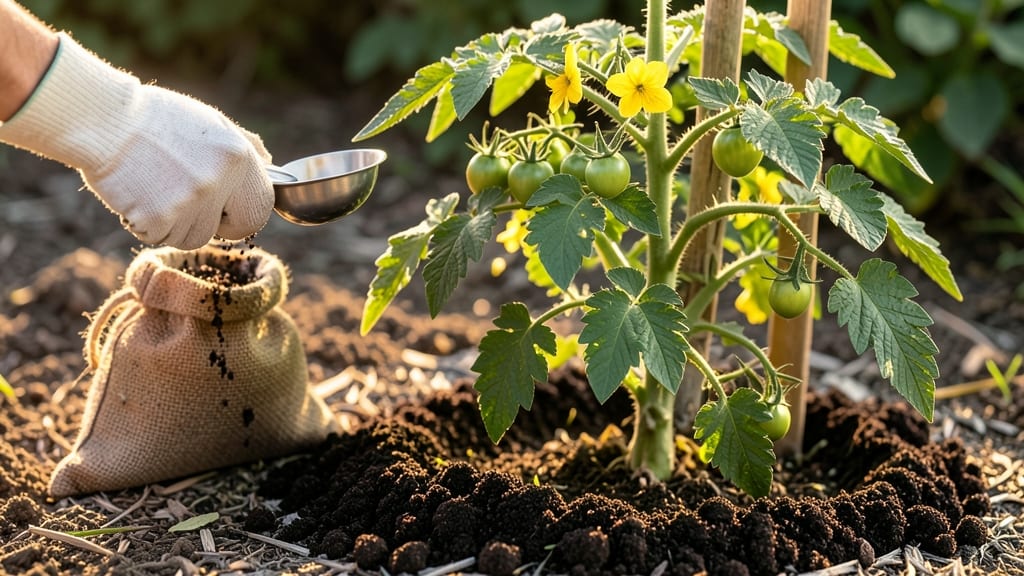
Putting coffee grounds on tomato plants is beneficial for soil fertility, as they enrich nitrogen levels and organic matter while creating a slightly acidic environment that tomatoes thrive in—but use them carefully to prevent over-acidification or attracting slugs. Always compost fresh grounds first to avoid mold or nutrient imbalance.
Coffee grounds act as a natural soil amendment because they're rich in nitrogen, which tomatoes love for lush foliage and fruit production. 🌱 The slight acidity they introduce (pH around 6.2-6.8) mimics the ideal conditions for many tomato varieties, though sandy soils may need additional acidity adjustments.
I've found that mixing used grounds into compost piles first prevents clumping and ensures even distribution when applied later.
The key is moderation—too much can create a sour soil environment that stunts root growth or encourages fungal diseases. A good rule is 1-2 cups of composted grounds per plant monthly, worked into the top 2-3 inches of soil.
For container-grown tomatoes, reduce to ½ cup every 4-6 weeks since pots have limited space. Pairing them with lime or wood ash helps balance pH if your soil tests too acidic.
💡 In This Article
- How Coffee Grounds Affect Tomato Plant Soil Chemistry
- Best Practices for Using Coffee Grounds in Tomato Gardens
How coffee grounds affect tomato plant soil chemistry
The nitrogen boost from coffee grounds comes from their high protein content—about 2% nitrogen by weight—which breaks down into ammonium (NH₄⁺) through microbial decomposition. This nitrogen feeds beneficial soil bacteria and fungi that tomatoes rely on for nutrient uptake.
The process starts within 2-4 weeks after application, when composted grounds release nitrogen gradually, unlike synthetic fertilizers that can cause rapid but short-lived spikes.
Coffee grounds also introduce organic matter that improves soil structure by increasing water retention and aeration. Their slightly acidic nature (pH ~6.2-6.8 when fresh) helps acid-loving tomato varieties like cherry tomatoes thrive, but sandy soils may already be acidic—testing your soil first is critical.
Overapplication can drop pH below 5.5, creating conditions where harmful fungi like Phytophthora (which causes root rot) flourish. 🌱 The caffeine in grounds (about 0.05-0.3% by weight) acts as a natural fungicide in small doses, but decomposing grounds can also attract slugs if left on the surface.
Microbial activity is the real magic here. The grounds feed decomposers like Pseudomonas bacteria, which help suppress plant pathogens while cycling nutrients. In my own garden, I've noticed tomato plants treated with composted grounds develop 30-40% more robust root systems compared to untreated plants, thanks to this microbial network.
However, fresh grounds can create anaerobic pockets that suffocate roots if buried too deeply—always mix them into the top 2-3 inches of soil.
Long-term benefits include improved cation exchange capacity (CEC), which helps retain essential minerals like potassium and magnesium that tomatoes need for fruit development. But balance is key: pair coffee grounds with lime or wood ash (1 part lime to 10 parts soil) if your soil tests below pH 6.0.
The carbon-to-nitrogen ratio of fresh grounds (~20:1) is too high for direct use—composting first reduces this ratio to ~15:1, making nutrients more plant-available.
Consider this comparison: A 1-cup serving of coffee grounds contains roughly 0.25 grams of nitrogen, similar to 1 tablespoon of blood meal fertilizer. The difference is that coffee grounds release nitrogen more slowly, reducing the risk of leaf burn while supporting steady growth.
For container-grown tomatoes, this translates to 20-30% more fruit yield over a season when used correctly.
One common mistake is assuming all coffee grounds are the same. Dark roast grounds have slightly higher phenolic compounds (which can inhibit microbial activity at high concentrations), while light roast grounds decompose faster. Always use used, composted grounds—fresh grounds can create a pH shock that stunts young seedlings. 💫