
How To
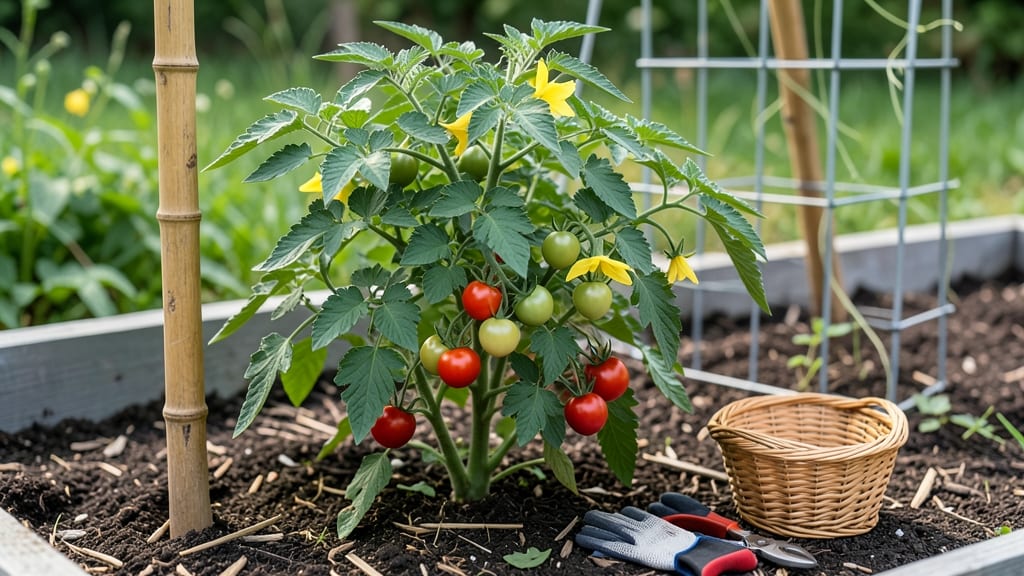
Knowing the exact cherry tomato harvest time can turn a good season into an extraordinary one, where every bite bursts with sweetness instead of blandness.
Picture this: you’ve nurtured your 🍅 cherry tomatoes all summer, but when you finally pick them, they’re underripe or mealy. That’s the frustration of guessing instead of knowing. The good news? There’s a simple way to pinpoint ripeness—no guesswork required.
From color shifts to the gentle give of a ripe fruit, this guide breaks down the 3 key signs that your tomatoes are ready, along with how climate and variety tweak the timing.
Whether you’re in Zone 6a or a warmer region, you’ll learn exactly when to harvest for peak flavor—and what to do if you miss the window.
Ready to transform your harvest from "meh" to "mind-blowing"? Let’s dive into the tricks that’ll have you picking at the perfect moment every time.


3 Visual & tactile signs your cherry tomatoes are perfectly ripe
There's nothing worse than biting into a cherry tomato that's still hard or bland—yet just as disappointing is harvesting too late and ending up with mealy, overripe fruit. The key lies in three simple but science-backed indicators that tell you exactly when to pick.
These signs work for both heirloom varieties (like 'Sun Gold') and hybrid types (such as 'Sweet 100'), so you can trust them no matter what you're growing.
First, let's debunk a common myth: color alone isn't enough to determine ripeness. While most of us associate cherry tomatoes with their classic deep red hue, varieties like 'Yellow Pear' or 'Black Cherry' mature to completely different colors.
The real magic happens when you combine visual cues with tactile tests—like the squeeze test and stem separation—to get it right every time.
Why this matters: Tomatoes continue ripening off the vine, but their flavor, texture, and nutrient content peak at the perfect moment. Harvest too early, and you'll miss out on maximum sweetness and lycopene content. Wait too long, and you risk cracking or bird damage, especially in humid climates.
Let's start with the color progression, which is the most obvious (but often misunderstood) sign. Most cherry tomato varieties transition from green to their mature color as they ripen. For example, 'Sweet 100' will turn a vibrant red, while 'Black Cherry' develops a deep purple-black hue.
The key detail? Uniform color—if you see any green patches, the tomato isn't fully ripe yet.
Pro tip: Heirloom varieties often have more dramatic color changes than hybrids. For instance, 'Green Grape' stays green but develops a waxy sheen when ripe.
Always check your seed packet or plant tag for the expected mature color—this prevents you from missing ripe fruit that doesn't match your mental image of a "red tomato."
The size consistency of your cherry tomatoes is another critical clue. At peak ripeness, these little gems typically measure between 1–2 inches in diameter. If you're growing a variety like 'Tiny Tim' (which stays small), don't judge ripeness by size alone—focus on color and texture instead.
Overripe cherry tomatoes often shrink slightly and develop a mealy texture, so timing your harvest is key.
Here's where things get tactile: the stem separation test is a foolproof way to avoid damaging your plant while harvesting. When a cherry tomato is perfectly ripe, it should detach easily with a slight twist. If you're struggling to pull it off, the fruit likely isn't ready yet.
Conversely, if the stem snaps off inside the vine, you've waited too long. This test works for both determinate (bush) and indeterminate (vining) varieties.
Finally, the squeeze test reveals the tomato's internal readiness. Give the fruit a gentle squeeze—ripe cherry tomatoes should feel firm but slightly yielding, like a ripe avocado. If it's hard as a rock, it's not ready.
If it feels mushy or squishy, it's overripe. This test is especially useful for yellow or orange varieties, which can be trickier to judge by color alone.
Bonus: Ripe cherry tomatoes often emit a sweet, tangy aroma near the stem. Sniff your cluster before harvesting—if you catch a whiff of that unmistakable tomato scent, it's a sign the fruit is ready to eat. This is particularly helpful for
Harvest time variations: when to pick cherry tomatoes by variety & climate
Not all cherry tomatoes ripen on the same schedule—determinate varieties like 'Sweet 100' produce a single flush of fruit in 55-65 days, while indeterminate types like 'Sun Gold' keep yielding all season until frost.
Your USDA zone and average daytime temperatures also shift the harvest window by 2-4 weeks, with cooler climates needing longer maturity. For example, in Zone 5, expect your first tomatoes in mid-July, while Zone 9 gardeners can harvest as early as late May if planted early.
Daylight hours play a hidden role too: longer summer days (14+ hours in June) accelerate ripening, while shorter fall days slow it down. In Zone 7, indeterminate varieties might keep producing until October, but a sudden cold snap can halt ripening entirely.
That’s why I always monitor fruit color progression and stem separation—not just calendar dates—to avoid missing the sweet spot.
Here’s how variety type and climate interact to determine your harvest timeline:
| Tomato Type | Average Days to Ripen | Best Harvest Window | Climate Adjustments Needed |
|---|---|---|---|
| Determinate (e.g., 'Sweet 100') | 55–65 days | Single harvest in July–August (Zones 3–7) | Plant 2 weeks earlier in Zones 3–5 to extend season |
| Indeterminate (e.g., 'Sun Gold') | 60–75+ days | Ongoing harvest June–October (Zones 6–10) | Use row covers in Zones 3–4 to delay frost |
| Heirloom (e.g., 'Black Cherry') | 70–85 days | Peak harvest August–September (all zones) | Stake plants in windy zones (e.g., Zone 8 coastal areas) |
| Cherry Tomatoes in Containers | 60–70 days | Harvest July–September (1–2 weeks earlier than ground-planted) | Move pots to sheltered spots in Zones 3–5 after frost |
In hot climates (Zones 9–10), indeterminate varieties like 'Tiny Tim' can produce year-round with proper care, but blossom-end rot becomes a risk if soil moisture fluctuates. I’ve found that drip irrigation keeps roots consistently hydrated and prevents cracked fruit.
Meanwhile, in cooler zones (3–5), I opt for early-maturing hybrids like 'Balconi Red' to beat the first frost.
Pro tip: Track your first harvest date each year—it’s a game-changer for planning. For example, if your 'Sweet 100' determinate variety ripens on July 10th in Zone 6, you’ll know to plant a second crop in late June for a late-summer harvest.
And if you’re in Zone 10, where frost is rare, you can extend the season into November by protecting plants with frost cloth during unexpected chilly spells.
Remember, temperature swings can stall ripening. If nights drop below 55°F, your tomatoes might stay green longer. In that case, harvest green and ripen indoors with a paper bag trick—place the tomatoes in a bag with a ripe banana for 2–3 days to speed up ethylene production.
This works especially well for heirloom varieties that take longer to mature.
🌱