
Diseases
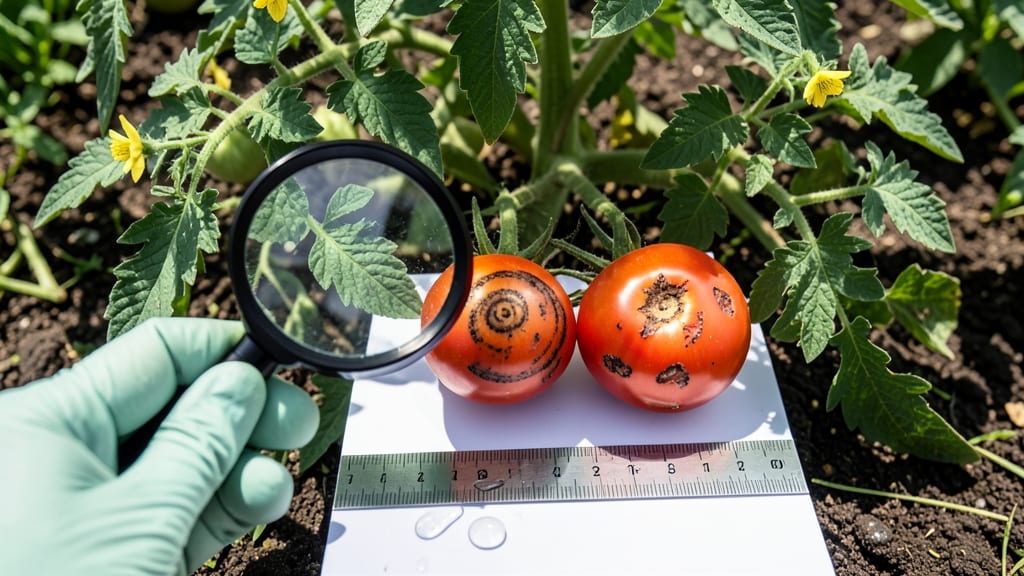
Dark spots on tomato fruit turn your harvest into a disappointment—until you know the exact fix. 🌱 I’ve battled this myself, and the key is spotting the difference between fungal blight, sun scorch, or even overwatering. The good news? Most cases are preventable with simple adjustments.
Fungal diseases like early blight (brown spots with yellow rings) or late blight (greasy-looking lesions) thrive in damp, crowded conditions. Sun scorch creates dry, pale patches on exposed fruit, while overwatering leads to cracked skin and dark, mushy spots.
The first step is identifying which issue you’re dealing with—then acting fast.
Once you’ve diagnosed the problem, the solution is straightforward: prune for airflow, water at the base, and remove infected leaves.
For fungal blight, a copper fungicide spray or baking soda mix (1 tbsp baking soda + 1 quart water + a drop of dish soap) can stop it in its tracks. Salvage partially affected fruit by cutting out the spots and cooking it down.
With these 3 simple steps, you’ll keep your tomatoes healthy and blemish-free. The secret? Catching it early and staying consistent. Your next harvest will be spotless—promise.
Root Causes of Tomato Spots
Dark spots on your tomato fruit can feel like a mystery—why does this happen when you’ve put so much care into growing them? The truth is, these unsightly marks usually stem from a mix of environmental stress, fungal infections, or physical damage.
Let’s break down the most common culprits and why they turn your tomatoes into a spotted mess.
---
Fungi thrive in warm, humid conditions, and tomatoes are a prime target. Here’s how they strike:
#### **🔬 Early Blight (Alternaria solani) This fungal disease starts as small, dark brown or black spots with concentric rings on the lower leaves, then spreads to the fruit. The spots on tomatoes are often raised, crusty, and sunken, with a grayish center.
Early blight loves high humidity and poor air circulation, making it a nightmare in crowded gardens or greenhouses.
#### 🍅 Late Blight (Phytophthora infestans) While late blight is more infamous for devastating potato crops, it can also attack tomatoes—especially in cool, wet weather. The spots start as greasy, dark brown or purple lesions that enlarge rapidly, turning the fruit into a mushy, rotting mess.
This fungus spreads via water splashes and infected plant debris, so overwatering or poor drainage invites it in.
#### 🍅 Anthracnose (Colletotrichum spp.) If your tomatoes develop sunken, circular spots with a pink or salmon center, anthracnose is likely the culprit. This fungus thrives in high humidity and warm temperatures (75–85°F), often entering through wounds (like insect bites or hail damage).
It’s especially aggressive on ripe or overripe fruit.
--- Not all spots are from fungi—sometimes, your tomatoes are just reacting to their surroundings.
#### 🌡️ Heat Stress or Sun Scorch Tomatoes left exposed to intense afternoon sun (especially in hot climates) can develop dry, leathery, dark brown spots—a condition called sunscald.
These spots are usually dry to the touch and appear on the side of the fruit facing the sun. Inconsistent watering (like deep soaking followed by drought) worsens the problem by causing cracking and uneven ripening.
#### 💧 Overwatering or Poor Drainage Too much water—especially if the soil stays soggy—can lead to blossom-end rot (a calcium deficiency symptom) or fruit rot. Dark, water-soaked spots at the blossom end of the tomato are a classic sign of overwatering or compacted soil** blocking roots from absorbing nutrients.
Fungi like Phytophthora also exploit waterlogged conditions to spread.
#### 🌬️ Wind and Physical Damage Strong winds or harsh handling (like rough picking) can create abrasions that turn into entry points for fungi or bacteria.
If spots appear irregular, jagged, or accompanied by scabs, physical trauma is likely the trigger. Hail or insect bites (from pests like hornworms) also leave vulnerable spots that darken over time.
--- Sometimes, the issue isn’t nature—it’s how you’re growing them.
#### 🍂 Overcrowded Plants Tomatoes need good airflow to stay healthy. When plants are too close together, humidity builds up, and spores linger longer.
This creates the perfect conditions for early blight, late blight, and anthracnose to take hold. Prune suckers regularly and space plants 18–24 inches apart to improve ventilation.
#### 🍅 Poor Pruning or Sanitation Leaving infected leaves or fruit on the plant (or in the compost) gives fungi a year-round food source. Always remove and destroy (don’t compost) diseased plant material. Also, prune lower leaves to keep them off the ground, reducing splashback from watering.
#### 💧 Inconsistent Watering Tomatoes hate moisture fluctuations. Drought stress weakens plants, making them susceptible to disease, while overhead watering spreads fungal spores. Water at the base in the early morning to let foliage dry quickly, and mulch to keep soil moisture even.
--- Not sure which issue you’re dealing with? Here’s a rapid-fire guide:
| Symptom | Early Blight | Late Blight | Anthracnose | Sunscald | Overwatering/Rot | |---------------------------|------------------------|------------------------|------------------------|-----------------------|------------------------| | Spot Shape | Circular, concentric | Greasy, irregular | Sunken, circular | Dry, leathery | Waterlogged, soft | | Spot Color | Dark brown/black | Dark purple/brown | Pink/salmon center | Tan/brown | Dark, mushy | | Spread Pattern | Starts on leaves | Spreads rapidly | Starts on ripe fruit | Only sun-exposed side | Blossom end | | Weather Trigger | Warm, dry | Cool, wet | Humid, warm | Hot, dry | Overly wet | | Texture | Crusty, dry | Soft, oozy | Firm, sunken | Dry, cracked | Squishy |
--- The best way to fight dark spots? Stop them before they start.
Here’s how: - Rotate crops—don’t plant tomatoes in the same spot yearly (fungi linger in soil). - Use resistant varieties like ‘Mountain Merit’ (early blight-resistant) or ‘Defiant PhR’ (late blight-resistant). - Apply copper fungicide preventatively if your area has a history of blight. - Harvest promptly—ripe tomatoes are more susceptible to anthracnose.
Now that you know the why, the next step is the how to fix it—and we’ve got a 3-step rescue plan coming up! 🚀
Fixing Fungal Blemishes Naturally
Now that you know what’s causing those pesky dark spots on your tomatoes—whether it’s fungal blight, sunscald, or environmental stress—let’s tackle the fixes! The good news? Most solutions are simple, cost-effective, and can save your harvest.
Below, we’ve mapped the root cause to the best cure, plus prevention tips to keep your tomatoes spot-free.
---
Fungal diseases like early blight, late blight, or septoria leaf spot thrive in damp conditions. Here’s how to stop them in their tracks:
#### 🔥 Step 1: Remove and Dispose of Infected Plants - Pull out any plants showing dark, sunken spots or yellowing leaves. - Do NOT compost them—fungal spores can survive.
Instead, bag and trash them immediately. - Pro tip: 💡 If the disease is severe, consider rotating crops next season—don’t plant tomatoes, peppers, or eggplants in the same spot for at least 3 years.
#### 🍳 Step 2: Apply a Fungicide Spray (Homemade or Store-Bought) For a natural spray, mix: - 1 tbsp baking soda - 1 tbsp vegetable oil (helps it stick) - 1 tsp dish soap (as a surfactant) - 1 gallon water Spray every 7–10 days or after rain, focusing on undersides of leaves (where spores hide).
Store-bought options: - Copper fungicide (effective but use sparingly) - Neem oil (disrupts fungal growth—spray at dusk to avoid harming bees)
#### 👨🍳 Step 3: Improve Airflow and Reduce Moisture Fungi love crowded, wet plants. Fix this by: - Pruning excess foliage to allow air circulation. - Watering at the base (not overhead) to keep leaves dry. - Mulching with straw (not plastic) to prevent soil splashing onto leaves.
---
If your tomatoes have dry, leathery dark spots (often on the sunny side), they’re suffering from sunscald. Here’s how to protect them:
#### 🥘 Step 1: Provide Light Shade - Use floating row covers or shade cloth (30–50%) during peak sun (10 AM–4 PM). - Plant near taller crops (like corn or sunflowers) to naturally block harsh rays.
#### 🔪 Step 2: Mulch Heavily - Apply 2–3 inches of straw or grass clippings around the base to keep soil cool and moist. - Avoid dark mulch (like black plastic)—it absorbs heat and worsens the problem.
#### ⏰ Step 3: Harvest Early or Late - Pick tomatoes before full ripeness if sunscald is severe, then finish ripening indoors (out of direct sun).
---
If spots appear due to heat stress, nutrient deficiency, or poor soil, these fixes will help:
#### 💡 Step 1: Check Soil pH and Nutrients - Test your soil (kits are cheap and easy). Tomatoes prefer pH 6.0–6.8. - Add compost or balanced fertilizer (10-10-10) if leaves look yellow or stunted.
#### 🎯 Step 2: Water Consistently (But Not Too Much) - Deep water 1–2 inches per week (drought stress causes spots). - Avoid wetting leaves—use drip irrigation or soaker hoses.
#### ✨ Step 3: Use Reflectors or Whitewash - Reflective mulch (aluminum foil or white plastic) can reduce heat stress. - Whitewash tomato cages (mix 1 part milk + 1 part water + a drop of dish soap) to reflect sunlight and lower leaf temperature.
---
Once you’ve treated the issue, keep it from coming back with these habits: ✅ Rotate crops annually to prevent fungal buildup. ✅ Start with disease-resistant varieties (e.g., ‘Mountain Merit,’ ‘Defiant PhR’). ✅ Space plants 18–24 inches apart for better airflow. ✅ Harvest regularly—overripe tomatoes attract pests and diseases. ✅ Clean up debris in fall to remove fungal overwintering spots.
--- By following these targeted fixes, you’ll not only save your current crop but also protect future harvests. Happy gardening—and enjoy those blemish-free, juicy tomatoes! 🍅🌿
Frequently asked questions
Why do my tomato spots look greasy instead of dry?
Greasy-looking dark spots are almost always late blight, caused by the Phytophthora infestans fungus. This aggressive pathogen thrives in cool, wet conditions and spreads rapidly, turning fruit into a mushy mess. Unlike dry fungal spots, these lesions feel slimy when touched and often appear on both leaves and fruit simultaneously. Act fast with copper fungicide or remove infected plants immediately.
Can I still eat tomatoes with dark spots?
Yes, but only if the spots are small and dry (like early blight). Cut out the affected areas and cook the rest—heat kills many pathogens. Avoid eating tomatoes with greasy, oozing spots (late blight) or water-soaked rot (overwatering), as these can harbor harmful bacteria. When in doubt, compost the spotted fruit instead of risking food safety.
How often should I spray my tomatoes with baking soda?
Apply your homemade baking soda spray every 7–10 days or after heavy rain to prevent fungal diseases. Mix 1 tbsp baking soda + 1 tbsp oil + 1 tsp soap per gallon of water and spray undersides of leaves (where spores hide). For best results, spray in the early morning so foliage has time to dry before evening humidity sets in.
Will pruning my tomato plants help stop dark spots?
Pruning improves air circulation, which is critical for preventing fungal diseases. Remove lower leaves touching the soil (they trap moisture) and suckers (side shoots) to reduce humidity. Space plants 18–24 inches apart and prune regularly—this alone can cut blight risk by up to 50%. Just avoid over-pruning, as too little foliage reduces fruit production.
Can dark spots appear from over-fertilizing?
Indirectly, yes! Too much nitrogen fertilizer leads to soft, weak growth, making plants more susceptible to fungal infections. Excess salts from fertilizers can also cause leaf burn, stressing plants and leaving them vulnerable to disease. Stick to a balanced 10-10-10 fertilizer and water thoroughly after applying to prevent buildup.