
Vegetables
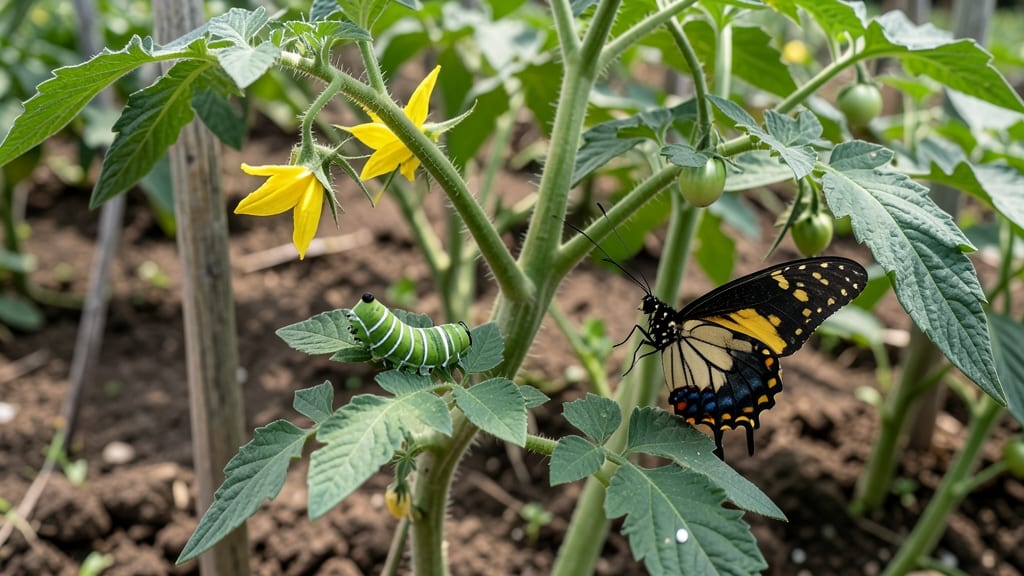
Tomato hornworms do turn into butterflies—they become the striking five-spotted hawk moth (Manduca quinquemaculata), known for their vibrant green bodies and dramatic wing patterns during their full metamorphosis from caterpillar to adult moth.
The transformation begins when a tomato hornworm pupates, entering a dormant phase where its body undergoes radical changes. 🌱 During this stage, the caterpillar's body breaks down and reorganizes into the adult moth's wings, antennae, and proboscis.
What's fascinating is how the pupa's vibrant green color transforms into the hawk moth's signature patterns—this isn't just a color change but a complete restructuring of cells and tissues. The entire process typically takes about two weeks, though environmental factors like temperature can speed it up or slow it down.
Once emerged, these moths play a crucial role in pollination, often visiting flowers at night when many other pollinators are inactive. Their long proboscis allows them to access nectar deep within blossoms, making them invaluable to garden ecosystems.
If you've ever spotted a large, green caterpillar munching on your tomatoes, consider leaving some around—they're nature's way of ensuring your garden thrives in the long run.
💡 In This Article
- Tomato Hornworm to Hawk Moth: The Metamorphosis Process Explained
- Encouraging Tomato Hornworm Butterflies in Your Garden
Tomato hornworm to hawk moth: the metamorphosis process explained
The transformation of a tomato hornworm into a five-spotted hawk moth is one of nature's most incredible feats of biological engineering. This process, called complete metamorphosis, unfolds in four distinct stages: egg, larva (the caterpillar), pupa (chrysalis), and adult.
The key driver is a hormone called ecdysone, which triggers each transition by signaling cells to break down and reorganize. During the larval stage, the hornworm grows rapidly, molting its skin up to five times as it prepares for pupation.
When the caterpillar reaches about 3-4 inches long, it finds a sturdy surface to attach itself, then forms a pupal case around its body.
Inside, the old larval tissues dissolve in a process called histolysis, while new adult structures like wings, antennae, and the proboscis begin forming from specialized cells called imaginal discs.
The pupa's vibrant green color actually serves as camouflage among tomato plants—this isn't just pigmentation but a protective adaptation that helps avoid predators during this vulnerable stage.
The most dramatic changes occur during the final days of pupation. The developing moth's wings start as tiny buds that expand rapidly, filling with hemolymph (insect "blood") to strengthen their structure.
What's particularly fascinating is how the moth's eyes develop from clusters of 20,000 individual ommatidia (light-sensing units), giving it compound vision that can detect ultraviolet light—something humans can't see. The entire metamorphosis typically takes 10-14 days, though cooler temperatures can extend this to 3-4 weeks.
Environmental factors play a crucial role in this transformation. Temperature affects both the speed and success of metamorphosis—ideal conditions are 75-85°F with moderate humidity. Too much heat can cause developmental abnormalities, while excessive moisture may lead to fungal infections in the pupa.
The pupation site also matters: hornworms prefer to attach to stems, fences, or other vertical surfaces where they're less likely to be disturbed by predators or environmental elements.
Once emerged, the adult hawk moth undergoes one final critical process: wing expansion. The newly hatched moth pumps hemolymph into its wings through rhythmic contractions of its abdomen, which can take up to 30 minutes to achieve full extension.
This is why you might see freshly emerged moths with crumpled wings—they're still perfecting their flight capabilities. The moth's lifespan is relatively short (about 7-10 days), during which it focuses entirely on reproduction and pollination rather than feeding.
What's particularly remarkable about this transformation is how the adult moth's physical characteristics—like its 3-inch wingspan and distinctive red and blue markings—are programmed into the genetic blueprint of the original egg. The caterpillar stage exists solely to accumulate energy and grow large enough to support the adult's complex structures.
This is why gardeners often see multiple generations of hornworms each season—they're nature's way of ensuring the continuation of this stunning life cycle.