
How To
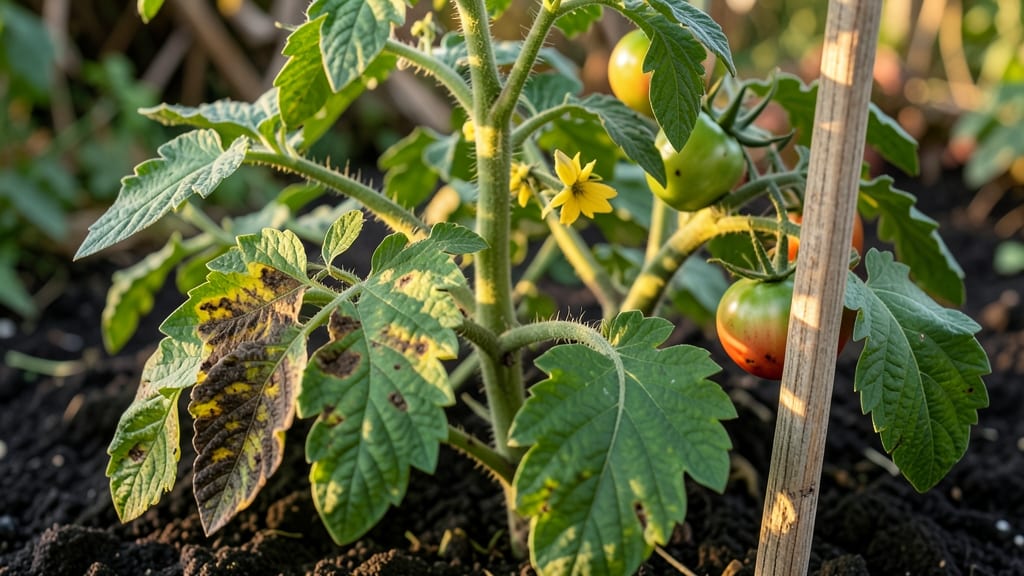
Your tomato harvest isn’t ruined yet—early blight on fruit means you can still salvage what’s left with the right moves. 🌱 I’ve saved dozens of tomatoes from this stubborn fungus by acting fast, and these three steps will show you how to stop the spread before it ruins your entire crop.
The telltale signs—those dark, concentric rings on leaves and fruit—are your first warning. Most gardeners panic and rip out plants, but that’s exactly what the fungus wants. Instead, focus on removing infected leaves (gloves on!), spreading mulch to keep soil dry, and watering at the base to avoid splashing spores.
These simple shifts make a huge difference.
By the time you’re done, your remaining tomatoes will ripen without new spots, and next season’s plants will start strong. The key is acting now—before the fungus claims another harvest. You’ll still get those juicy, vine-ripened tomatoes you planted for, just without the ugly spots.
Works for both backyard gardens and container growers—no fancy tools needed. Let’s turn those brown spots into a thing of the past.
Why it happens
Early blight isn’t just a random nuisance—it’s a fungal party crashers that thrives on specific conditions. Understanding why it strikes your tomato plants is the first step to stopping it before it ruins your harvest. Here’s a breakdown of the key culprits, backed by science and actionable insights.
🌱 Fungal Spores: The Silent Invaders
The primary villain behind early blight is the fungus Alternaria solani. This pathogen spends winters lurking in soil, plant debris, or even infected seeds, waiting for the right moment to strike.
When conditions align—warm, humid weather and moist foliage—it releases conidia (asexual spores) that hitchhike on wind, water splashes, or even garden tools to infect your tomato plants.
Why it matters: These spores germinate within 4–6 hours of landing on a leaf, creating tiny black or brown lesions that expand into the classic "target-like" spots. If left unchecked, the fungus can move from leaves to fruit, causing sunken, leathery patches that make tomatoes inedible.
💡 Pro Tip: Rotate crops yearly to break the fungal lifecycle—Alternaria solani can survive in soil for up to 3 years without a host!
🌡️ Weather: The Perfect Storm for Outbreaks
Early blight doesn’t just appear—it’s invited by your garden’s microclimate. The fungus loves:
- Warm temperatures (70–85°F): Ideal for spore germination and growth.
- High humidity (75%+): Creates a damp environment where spores thrive.
- Frequent rainfall or overhead watering: Splashes spores from soil onto leaves, accelerating infection.
Why it matters: Even a single night of heavy dew or poor air circulation can turn a minor issue into a full-blown epidemic. The fungus also spreads faster in dense plantings, where leaves stay wet longer.
🌡️ Key Stat: Outbreaks peak during summer’s dog days—when heat and humidity collide—making prevention critical then.
🍅 Plant Stress: Weakening Defenses
Healthy tomato plants can resist early blight to some degree, but stress opens the door for infection. Common stressors include:
- Nutrient deficiencies (especially potassium or phosphorus): Weakens cell walls, making them easier targets.
- Overcrowding: Poor airflow traps moisture and blocks sunlight, slowing recovery.
- Physical damage (e.g., hail, pests, or rough handling): Creates entry points for spores.
- Improper watering (e.g., inconsistent schedules or wetting leaves): Encourages fungal growth.
Why it matters: Stressed plants produce less chlorophyll, reducing their ability to fight off pathogens. Early blight exploits these weaknesses, starting with lower leaves and creeping upward.
💡 Pro Tip: Test your soil for pH imbalances—early blight thrives in slightly acidic to neutral soil (pH 5.5–7.0). Amending with lime or sulfur can help.
🌿 Contaminated Tools & Debris
Even the cleanest garden can harbor hidden threats. Early blight spores cling to:
- Pruners, stakes, or trellises used on infected plants.
- Old plant debris (e.g., pruned leaves, mulch, or compost piles).
- Infected transplants bought from nurseries.
Why it matters: Spores can survive for months in organic matter, reinfecting new plants. Cross-contamination during pruning or harvesting spreads the problem exponentially.
🔥 Action Step: Sterilize tools with 70% isopropyl alcohol or a 10% bleach solution between uses. Remove and destroy (don’t compost!) infected plant material.
Fix Early Blight Before It Ruins Your Tomatoes
Early blight may feel like a death sentence for your tomato crop, but don’t toss those plants just yet! With the right moves, you can save your harvest and even prevent future outbreaks.
Below, we break down cause-specific fixes—plus prevention tips—to stop the blight in its tracks and keep your garden thriving.
Cause: Fungal spores spread when infected leaves or fruit touch healthy plants or soil. Fix:
- 🔪 Snip off infected leaves (look for brown, concentric "target" spots) at the base—don’t toss them into compost! The fungus survives there.
- 🗑️ Bag and trash infected foliage immediately (or burn it if possible). Avoid dropping leaves near plants.
- 🍅 Salvage what’s left: If only a few spots appear on fruit, you can still harvest those tomatoes—just wash them thoroughly before eating.
Pro Tip: 💡 Check the undersides of leaves first—early blight often hides there!
Cause: Weak plants (from stress, poor soil, or overcrowding) invite fungal attacks. Fix:
- 💧 Water at the base, not overhead—wet leaves = fungus party. Use drip irrigation or water early in the day so foliage dries fast.
- 🌱 Prune for airflow—remove lower leaves (within 6 inches of the ground) to reduce humidity and improve circulation.
- 🍄 Apply fungicides strategically:
- Preventative: Use copper fungicide or baking soda spray (1 tbsp baking soda + 1 tsp oil + 1 gallon water) every 7–10 days during wet seasons.
- Cure: For active blight, try neem oil (1 tsp per quart of water + a drop of dish soap) or organic fungicides like Serenade or Captan.
Pro Tip: 🌡️ Avoid watering late in the day—nighttime moisture gives fungi a 24-hour growth spurt!
Cause: Fungal spores linger in soil and plant debris for years. Fix:
- 🔥 Rotate crops—don’t plant tomatoes, peppers, or potatoes in the same spot for 3+ years.
- 🌱 Amend soil with compost and organic matter to improve drainage and plant resilience.
- 🌿 Plant resistant varieties like ‘Defiant PhR,’ ‘Mountain Merit,’ or ‘Bush Early Girl’ (check seed packets for "early blight resistant").
- 🧹 Clean up thoroughly in fall—remove all plant debris, even roots, and sanitize tools with rubbing alcohol.
Pro Tip: ✨ Interplant tomatoes with garlic or marigolds—these act as natural fungicide barriers!
Final Harvest Hack: 🍅 If blight strikes late in the season, pick tomatoes early (even green) and ripen them indoors. The fungus targets mature fruit, so immature ones often escape damage!
Your turn: Try one fix this week—whether it’s pruning, spraying, or rotating crops—and watch your tomatoes bounce back! 🚀
Frequently asked questions about early blight on tomato fruit
Can I still eat tomatoes with early blight spots?
Yes, but only if the spots are small and superficial. Cut away any visibly infected areas (at least 1 inch around the spot) before eating. For severe cases with sunken, leathery patches, it's safer to discard the fruit. Always wash tomatoes thoroughly before consuming.
How do I tell early blight apart from normal tomato sunscald?
Early blight spots are concentric rings (like bullseyes) with dark edges, while sunscald appears as light-colored, dry patches on sun-exposed fruit. Check the leaves too—early blight starts there with similar ringed lesions, while sunscald only affects fruit.
Will copper spray actually work on my tomato plants?
but timing is key! Copper fungicides are most effective when applied preventatively (every 7-10 days during wet seasons) or at the first sign of infection. For active blight, combine it with pruning infected leaves and improving airflow. Always follow label instructions for concentration.
Can I save my tomato plants if blight appears late in the season?
You can try! Focus on removing all infected leaves, watering at the base, and applying fungicide. If the plant is already heavily infected, it's better to harvest any remaining fruit and remove the plant completely. For next season, choose resistant varieties and practice better sanitation.
Why does early blight always come back in my garden?
The fungus Alternaria solani can survive in soil for years! To break the cycle, rotate crops (avoid planting tomatoes in the same spot for 3+ years), remove all plant debris, and improve soil health. Planting garlic or marigolds nearby can also help deter future outbreaks.