
Companion Plants
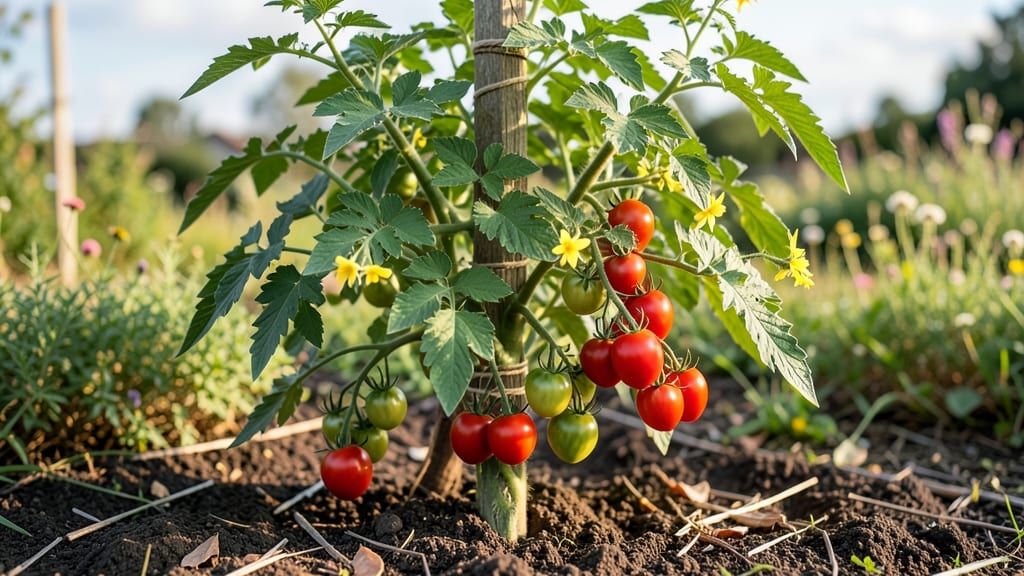
Gardening expert Mark Lane’s advice for tomato plants starts with one simple truth: the right soil mix makes all the difference. 🌱 After years of trial and error, he swears by a blend of compost, aged manure, and a handful of bone meal—no fancy additives needed. The secret? Mimicking the rich, loamy texture of a forest floor where tomatoes thrive naturally. Planting depth matters more than most gardeners realize. Bury stems up to the first leaves to encourage stronger root growth, and space plants 18-24 inches apart for airflow. Lane’s method also includes a trick: planting a few basil or marigold seedlings nearby to deter pests while boosting flavor. Watering follows a strict schedule—deep soaks twice a week rather than daily sprinkles—to prevent blossom-end rot. By midseason, you’ll see the payoff: vines heavy with fruit, leaves staying disease-free, and tomatoes that taste like summer. The pruning routine (removing suckers early) keeps energy focused on fruit production, not leafy growth. Even his worst tomato year still yielded 50 pounds—proof that Lane’s approach works. This advice scales from backyard plots to containers, whether you’re growing heirlooms or hybrids. The key? Consistency. Stick to the routine, and you’ll harvest like a pro—no green thumbs required.
📚 In This Guide
- What you need
- Instructions
- Tips and common mistakes
- Wrapping up and next steps
What you need
- ● Tomato Seeds or Seedlings: 6–12 seeds (if starting from scratch) or 3–6 healthy seedlings (for faster growth).
- ● Mark’s pick: Disease-resistant varieties like 'Celebrity' or 'Better Boy' for reliability.
- ● Containers or Garden Beds: 5-gallon pots (minimum) or raised beds (at least 12" deep).
- ● Ensure pots have drainage holes—no soggy roots!
- ● Potting Mix: 1 part high-quality potting soil (sterile, well-draining).
- ● 1 part compost or aged manure (for nutrients).
- ○ Optional: Perlite or vermiculite (10–20%) to improve aeration.
- ● Fertilizer: Balanced 10-10-10 or 5-10-10 fertilizer (follow package rates).
- ● Mark’s tip: Fish emulsion or compost tea for organic boosts.
- ● Stakes or Cages: 6–8 ft tall tomato cages or bamboo stakes (1–2 per plant).
- ● Twine or soft plant ties (for securing vines).
- ● Watering Supplies: Watering can or hose with a gentle spray nozzle (avoid blasting leaves).
- ○ Drip irrigation kit (optional but highly recommended for consistency).
- ● Mulch: Straw or shredded leaves (2–3 inches thick) to retain moisture and suppress weeds.
- ● Pruning Shears: Sharp, clean shears for trimming suckers and dead leaves.
- ● pH Test Kit: To ensure soil pH is between 6.0–6.8 (tomatoes love slightly acidic soil!).
- ● Companion Plants: Basil, marigolds, or borage (Mark’s favorite tomato buddies!).
- ● Row Covers: Lightweight fabric to protect seedlings from pests or late frosts.
Step-by-step instructions for growing tomato plants like a pro
Here’s the straightforward method I’ve used for decades to grow tomatoes that burst with flavor and resist common problems.
🌱 Step 1: Start Seeds Indoors at the Right Time
Plant seeds 6-8 weeks before your last frost date—this gives seedlings enough time to develop strong roots before moving outdoors. I use 2-3 inch deep biodegradable pots filled with seed-starting mix, not garden soil, because it’s sterile and drains well. Press the mix down lightly so it’s firm but not compacted—this helps roots anchor properly.
Sow seeds ¼ inch deep and cover lightly with more mix. Mist the surface until damp, then place pots in a warm spot (ideally 75-85°F) like on top of the fridge. Germination takes 5-10 days, but don’t water again until the soil feels dry to the touch—overwatering here causes damping-off, which kills seedlings overnight.
☀️ Step 2: Provide Light and Prevent Leggy Growth
The moment seedlings emerge, move them under grow lights for 14-16 hours daily. A south-facing window won’t cut it—you’ll know you’re short on light when stems stretch tall and pale (leggy growth). Keep lights 2-4 inches above plants and raise them as seedlings grow to maintain that distance.
Strong seedlings have thick stems and dark green leaves spaced close together. If you see them leaning toward the light, rotate the pots daily so they grow straight. Once seedlings have 2-3 sets of true leaves (not the first tiny seed leaves), they’re ready for their next phase.
🪴 Step 3: Harden Off and Transplant After Frost
Two weeks before your last frost, start hardening off seedlings by placing them outside in a sheltered spot for 1-2 hours the first day. Gradually increase time over 7-10 days, ending with full sun exposure. This toughens them up so they don’t get shocked when planted outdoors. I always transplant on a cloudy day—less sun means less stress on the plants.
Dig holes deep enough to bury ⅔ of the stem (this encourages strong root growth). Space plants 18-24 inches apart in rows 3 feet apart for good airflow. Water deeply right after planting to settle the soil and remove the pots—tomatoes hate having their roots disturbed.
💧 Step 4: Water Deeply and Feed for Maximum Yield
Water tomatoes at the base 1 inch per week, letting the soil dry slightly between waterings. I use a soaker hose to avoid wetting leaves, which prevents fungal diseases like blight. Mulch around plants with 2-3 inches of straw to retain moisture and keep soil cool—this is critical in hot climates where tomatoes split from uneven watering.
Feed plants every 2-3 weeks with a balanced fertilizer (like 10-10-10) once flowers appear. I switch to a low-nitrogen, high-phosphorus fertilizer (like 5-10-10) when fruit sets to boost sweetness. Watch for signs of over- or under-fertilizing: yellow leaves mean too much nitrogen, while stunted growth signals a deficiency.
✂️ Step 5: Prune and Support for Healthier Plants
Prune suckers (the small shoots that grow between the stem and branches) when they’re 3-4 inches long. These compete with fruit for energy, so I remove them regularly to redirect growth. Leave 2-3 main stems on indeterminate varieties (like heirlooms) for better airflow and larger fruit. For determinate varieties (like bush tomatoes), prune only to remove diseased leaves.
Install cages or stakes early—waiting until plants are heavy with fruit leads to broken stems. I tie vines to stakes with soft plant ties every 6-8 inches to keep them upright. This also makes harvesting easier and reduces disease risk by improving airflow around the plant.
Tips & tricks for perfect tomato plant growth
These practical insights will help you avoid common pitfalls and maximize your tomato harvest every season.
Timing Secret: The 6-8 week window before your last frost is non-negotiable for strong seedlings. I've learned the hard way that rushing this schedule often results in weak plants that struggle outdoors. If you're unsure about your frost date, check your local agricultural extension service—they provide precise data for your region. For northern climates, I recommend starting seeds in early February, while southern gardeners can wait until late January.
Light Strategy: Those 14-16 hours of daily grow light are crucial for preventing leggy seedlings. I've found that using a simple LED grow light on a timer eliminates guesswork. Position it just 2-4 inches above the plants and adjust as they grow—this consistent distance prevents stretching. If you notice seedlings leaning toward the light, rotate the pots daily to encourage straight growth. This simple habit makes all the difference in seedling strength.
Transplanting Technique: Burying two-thirds of the stem when transplanting might seem counterintuitive, but it actually encourages stronger root growth from those buried sections. I always make the planting holes slightly larger than the root ball to prevent root damage. For container gardening, use pots that are at least 18 inches deep to accommodate this planting depth and allow for robust root development.
Watering Wisdom: The 1-inch weekly watering guideline works well in most climates, but I've adapted this for different conditions. In hot, dry areas, I water every 2-3 days instead, while in humid regions, I might stretch it to 10 days between waterings. Always water at the base using a soaker hose to prevent fungal diseases. That 2-3 inches of straw mulch is your secret weapon—it keeps soil moisture consistent and reduces temperature fluctuations that cause fruit splitting.
Pro Tips for Gardening Expert Mark Lane'S Advice For Tomato Plants
- These practical insights will help you avoid common pitfalls and maximize your tomato harvest every season.
- Timing Secret: The 6-8 week window before your last frost is non-negotiable for strong seedlings.
- Light Strategy: Those 14-16 hours of daily grow light are crucial for preventing leggy seedlings.
Frequently asked questions
Got questions about growing tomatoes like a pro?
Gardening expert Mark Lane shares his go-to answers for common challenges and curiosities—so you can troubleshoot with confidence and grow like never before.
When is the best time to plant tomato seeds or seedlings?
Mark recommends planting seeds indoors 6-8 weeks before your last frost date (around March-April in most zones). For seedlings, wait until soil temps hit 55°F+ and nighttime temps stay above 50°F—typically after May 15 in cooler climates. Pro tip: Use a planting calendar for your zone to avoid early-season chills!
How long does it take for tomato plants to produce fruit?
With proper care, expect 60-85 days from transplanting to harvest (varies by variety). Dwarf tomatoes may fruit faster (50-60 days), while heirlooms can take up to 100 days. Mark’s trick? Prune suckers early and fertilize with balanced 10-10-10 to speed up maturation.
What are the most common tomato plant pests, and how do I stop them?
Mark battles these top culprits:
- Hornworms: Handpick them (they’re huge and easy to spot!) or introduce parasitic wasps.
- Aphids: Blast with soapy water or attract ladybugs as natural predators.
- Blossom end rot: Caused by calcium deficiency—add crushed eggshells to soil and keep soil moist.
Pro tip: Neem oil deters pests and prevents fungal diseases!
Can I grow tomatoes in containers, and what’s the best setup?
Mark’s 5-gallon container rule: Use pots at least 12-18 inches deep with drainage holes. His top picks:
- Determinate varieties (like Roma) for smaller pots.
- Indeterminate types (like Sungold) need cages or stakes.
- Soil mix: 60% potting soil + 30% compost + 10% perlite.
Water daily in containers—they dry out fast!
Why are my tomatoes cracking, and how can I prevent it?
Cracking happens when plants swing between drought and overwatering. Mark’s fix:
- Keep soil consistently moist (1 inch of water weekly).
- Mulch heavily to retain humidity.
- Pick tomatoes when 75% ripe to avoid stress.
For heirlooms, shade cloth on hot days also helps!
Wrapping up and next steps
Mark Lane’s wisdom proves that growing healthy, thriving tomato plants is all about patience, the right techniques, and a little love! 🌱 From selecting the perfect companion plants to mastering pruning and pest control, these proven strategies will set you up for a bountiful harvest.
Remember, every gardener starts somewhere—so grab those gloves, get your hands dirty, and watch your efforts bloom into delicious rewards.
Ready to take the next step? Start small—plant a single tomato variety this season and build from there. Before you know it, you’ll be sharing jars of homemade sauce or baskets of sun-ripened tomatoes with neighbors! 🍅✨