
How To
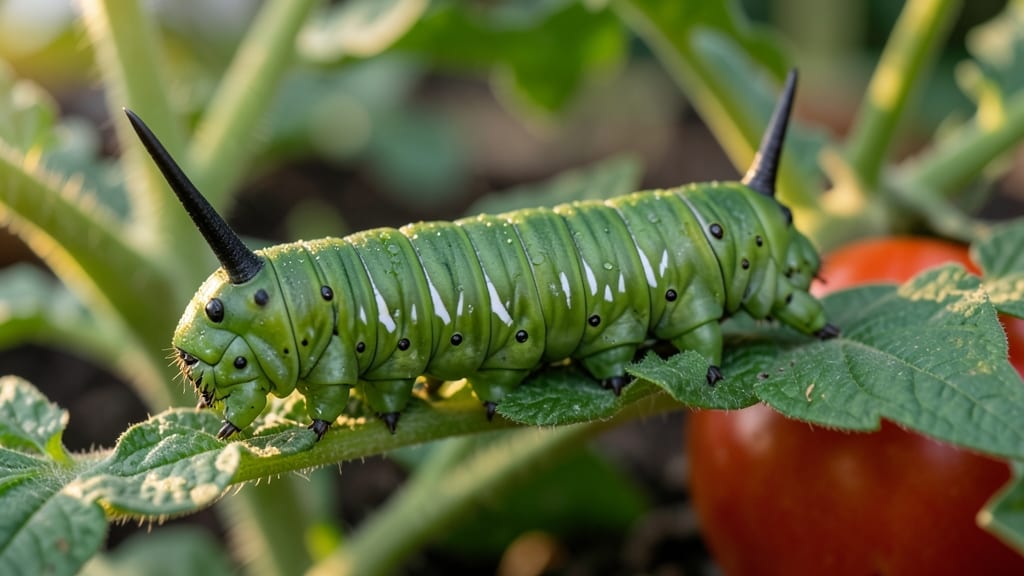
Those green horn tomato worms can strip your plants bare faster than you can say "harvest ruined." 🌱 I've battled them for years, and I've learned which tricks actually work—no harsh chemicals, just smart tactics that keep your tomatoes thriving.
The key is catching them early when they're small and plentiful. You'll spot them as inch-long green caterpillars with a distinctive horn at the back, munching away on leaves and fruit. The good news?
They're easy to remove by hand, and their natural predators will help keep numbers down if you give them a chance. With these 5 simple steps, you'll protect your plants while keeping your garden ecosystem balanced.
We're talking no more skeletonized leaves, no more worm-damaged tomatoes—just healthy plants that produce all season long. Here's how to do it right.
First, grab a pair of gloves and inspect your plants regularly—especially in the morning when the worms are sluggish. You'll want to look under leaves and around stems where they hide.
Once you spot them, drop them into soapy water (they won't survive) or relocate them far from your garden. This step alone can cut your worm population by half.
Next, introduce their natural enemies: parasitic wasps and ladybugs. These tiny allies will hunt down the hornworms without harming your tomatoes. You'll notice fewer worms over time as the ecosystem balances itself out. For extra protection, plant basil or marigolds nearby—their strong scents deter the worms from settling in.
If the infestation is severe, use Bacillus thuringiensis (a natural bacteria) or neem oil as a last resort. Both are safe for beneficial insects and won't harm your plants if used correctly. With these methods, you'll enjoy a worm-free harvest without sacrificing your garden's health.
The Hidden Triggers Behind Worms
Understanding why your tomato plants attract these pesky green hornworms is the first step to keeping them at bay. These voracious caterpillars don’t just appear out of nowhere—they’re drawn to specific conditions that make your garden look like an all-you-can-eat buffet.
Let’s break down the key factors that turn your tomato plants into a hornworm hotspot.
---
Green hornworms have a taste for ripe, soft, and damaged tomato fruit, making them especially attracted to plants with: - Overripe tomatoes (bursting or splitting) - Bruised or cracked fruit (from hail, birds, or rough handling) - Tomatoes left on the vine too long (sugary, fermenting flavors = worm magnet)
Why it happens: Hornworms prefer sugary, decaying fruit because it’s easier to digest and packed with nutrients. A single overripe tomato can lure dozens of larvae, turning your plant into a breeding ground. Additionally, damaged skin exposes the juicy interior, making it irresistible.
Actionable fix: - Harvest tomatoes promptly before they overripe. - Remove bruised fruit immediately—don’t let it sit on the vine. - Prune lower branches to improve airflow and reduce hidden rot.
---
Hornworms thrive in dense, leafy tomato plants because: - Thick foliage provides camouflage (they blend in like ninjas). - Shady, humid conditions slow down natural predators (like birds and parasitic wasps). - Young, tender leaves are their first food source before they move to fruit.
Why it happens: Tomato plants with unpruned growth create microclimates where hornworms can hide undetected. They also prefer the nitrogen-rich young leaves, which are packed with proteins to fuel their rapid growth.
Actionable fix: - Prune regularly to open up the plant and reduce hiding spots. - Avoid over-fertilizing with nitrogen—it encourages leafy (but worm-friendly) growth. - Stake or cage plants to improve airflow and deter pests.
---
Green hornworms have few natural enemies in a garden, but their numbers can explode when: - Birds and lizards are absent (they eat hornworm eggs and young larvae). - **Parasitic wasps (like Cotesia congregata) are missing (they lay eggs inside hornworms, killing them). - Ground beetles and spiders aren’t present to control egg populations.
Why it happens: Hornworms are master survivors—they’re well-camouflaged, toxic to some predators, and reproduce quickly. If your garden lacks biodiversity, these pests can go unchecked.
Actionable fix: - Attract beneficial insects with native plants (like dill, fennel, or marigolds). - Install birdhouses or bat boxes to encourage hornworm hunters. - Avoid broad-spectrum pesticides**—they kill both pests and beneficial predators.
--- Hornworms love heat and moisture because: - Warm soil speeds up egg hatching (they prefer temps above 70°F). - High humidity keeps eggs moist, preventing them from drying out. - Shady, damp areas protect larvae from drying out.
Why it happens: Green hornworms originate from tropical regions, so they thrive in greenhouse-like conditions. If your garden has poor drainage, mulch piles, or dense plantings, you’re creating the perfect hornworm paradise.
Actionable fix: - Improve drainage around tomato plants to reduce standing water. - Space plants properly for airflow and sunlight penetration. - Water in the morning to allow foliage to dry quickly.
--- Did you know hornworms also munch on other plants? They’re known to feast on: - Dill, fennel, and parsley (their favorite "training ground"). - Potatoes, eggplants, and peppers (related nightshade plants). - Wild mint or basil (if growing nearby).
Why it happens: Hornworms lay eggs on these plants first because they’re easier to find than tomatoes. Once the larvae hatch, they migrate to tomato plants when they get bigger.
Actionable fix: - Remove weed hosts (like wild dill or fennel) from your garden. - Plant trap crops (like basil) far from tomatoes to lure hornworms away. - Monitor nearby nightshade plants for early signs of infestation.
--- Leaving last year’s plant debris in the garden is like rolling out a welcome mat for hornworms because: - Dried leaves and stems harbor overwintering pupae. - Compost piles can incubate hornworm eggs if not heated properly. - Unclean tools or mulch may spread eggs from infested areas.
Why it happens: Hornworms pupate in the soil and can survive cold winters in dormant stages. If you don’t clean up thoroughly, they’ll return stronger next season.
Actionable fix: - Remove all plant debris after harvest (burn or compost hot piles). - Solarize soil in late summer (cover with clear plastic for 4-6 weeks to kill pupae). - Disinfect garden tools with rubbing alcohol to prevent egg transfer.
Quick Fixes for Worm-Free Tomatoes
Dealing with unwanted critters in your tomato plants can feel like a never-ending battle, but don’t worry—there are effective, natural, and easy solutions to keep your garden thriving.
Below, we’ve mapped out practical fixes based on the most common causes, along with prevention tips to stop future infestations. Let’s get your tomatoes back on track!
---
If you’ve spotted tiny green eggs or newly hatched larvae on your tomato leaves, act fast before they multiply.
🔥 Fix It: - Handpick larvae in the morning when they’re sluggish. Drop them into soapy water to kill them instantly. - Spray neem oil (1 tsp per quart of water + a drop of dish soap) on leaves to smother eggs and deter adults from laying more. - Use kaolin clay (like Surround WP) as a physical barrier—it confuses pests and makes leaves less appealing for egg-laying.
💡 Prevention Tip: 🌱 Rotate crops—don’t plant tomatoes in the same spot yearly. 🌱 Remove fallen leaves regularly to eliminate hiding spots.
---
Weak, stressed plants are magnets for pests. If your tomatoes are already chewed or wilted, worms will move in fast.
🍳 Fix It: - Prune damaged foliage immediately—cut off leaves with holes or heavy infestations. - Strengthen plants with compost tea or fish emulsion to boost their natural defenses. - Space plants properly (18–24 inches apart) to improve airflow and reduce humidity (which attracts pests).
💡 Prevention Tip: ✨ Plant companion crops like basil, marigolds, or nasturtiums—their strong scents repel pests naturally.
---
Pests love hiding in decaying matter, thick mulch, or weeds near your tomato plants.
👨🍳 Fix It: - Clear mulch 6+ inches away from the stem to reduce hiding spots. - Till or remove old plant debris after harvest to break the worm life cycle. - Use straw mulch (instead of wood chips) as it dries faster and deters pests.
💡 Prevention Tip: 🔥 Keep garden beds weed-free—weeds harbor eggs and larvae.
---
If you’ve already found active worms munching on fruit or leaves, you’ll need a two-pronged attack.
🔪 Fix It: 1. Remove infested fruit immediately—don’t compost it (worms will survive). 2. Apply BT (Bacillus thuringiensis)—a natural bacterial spray that kills caterpillars within 48 hours. 3. Set up pheromone traps (like Checkmate traps) to confuse and capture adult moths.
💡 Prevention Tip: 🎯 Monitor plants weekly—check undersides of leaves and fruit clusters for early signs.
---
Warm, humid conditions speed up worm reproduction. If your garden is a pest paradise, adjust the environment.
🌡️ Fix It: - Improve drainage—pests love soggy soil. Use raised beds if needed. - Water in the morning (not evening) to reduce humidity around plants. - Use row covers (lightweight fabric) over young plants to block moths before they lay eggs.
💡 Prevention Tip: 🌱 Plant in cooler months (spring/fall) when moth activity is lower.
--- Final Thought: The key to long-term success is consistency. Combine immediate fixes (like handpicking and sprays) with preventive habits (crop rotation, clean garden beds) for a worm-free harvest every time. 🍅✨
(Need a step-by-step spray recipe? Check out our DIY Neem Oil Mix Guide in the next section!)
Frequently asked questions
What do green hornworms (tomato worms) actually look like?
Green hornworms are 2-4 inch long caterpillars with a distinctive horn at their rear end. Their bodies are bright green with white diagonal stripes and a bulbous horn that can be yellow, black, or red. They blend perfectly into tomato leaves, making them hard to spot until they're actively chewing.
Are green hornworms harmful to eat if they get on my tomatoes?
No, they're not poisonous to humans, but they can make your tomatoes look unappetizing with their bite marks. The good news is you can easily remove them by hand before they cause damage. If you find them on fruit, wash the tomatoes thoroughly before eating to remove any residue.
How quickly can green hornworms destroy a tomato plant?
A single hornworm can devour an entire tomato leaf in just 24 hours, and a mature caterpillar can eat 1 square foot of leaves per day. Within a week, an unchecked infestation can strip a plant completely, leaving it vulnerable to disease and unable to produce fruit. That's why early detection is crucial!
Will birds or other animals eat green hornworms?
Yes! Birds, lizards, and even some beetles will eat hornworms, but they often avoid them because of their toxic taste when mature. The best natural predators are parasitic wasps (like Cotesia congregata) that lay eggs inside hornworms, killing them from within. You can attract these beneficial insects by planting dill or fennel nearby.
What's the best time of day to check for green hornworms?
The best time is early morning when the worms are sluggish from cooler temperatures. They're easier to spot and remove before they become active. Avoid checking in the evening when they're most active and harder to find. A quick 10-minute inspection can make all the difference!