
Vegetables
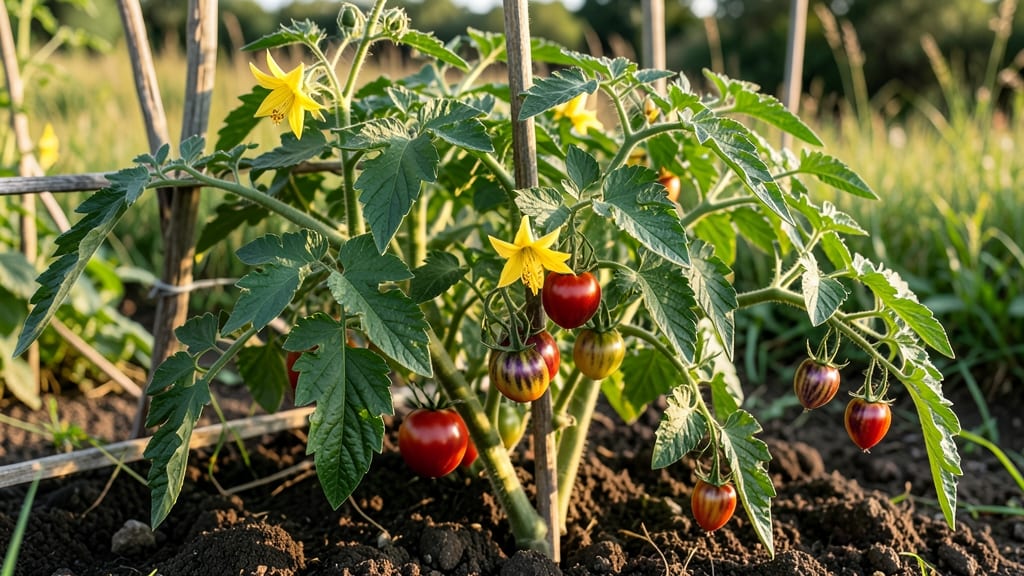
The meaning of heirloom tomatoes centers on their open-pollinated genetics, passed down through generations, offering unique flavors, diverse shapes, and stable traits that hybrid varieties can't match. These tomatoes maintain their characteristics through seed-saving and thrive in local growing conditions.
The term "heirloom tomato" describes varieties that have been cultivated and preserved through generations of gardeners, rather than created in labs. 🌱 Unlike hybrid tomatoes bred for uniformity, heirlooms display incredible diversity in color, size, and taste—from deep purples to striped yellows—because they're grown from seeds that naturally cross-pollinate.
This genetic diversity often translates to more complex flavors, with some varieties even developing unique textures when cooked. What's fascinating is how these tomatoes adapt to regional climates over time, becoming perfectly suited to their growing environments while maintaining their original characteristics.
Many gardeners choose heirloom tomatoes specifically for this flavor depth and historical connection. The seed-saving process ensures these varieties remain true to their original traits, creating a living link to agricultural traditions.
For example, a Brandywine tomato grown today tastes nearly identical to one from the 1800s because its seeds were carefully preserved by generations of farmers. This preservation method also makes heirlooms more resilient in changing climates, as they've naturally adapted to local conditions over decades.
💡 In This Article
- Genetic and Flavor Differences Between Heirloom and Hybrid Tomatoes
- Growing and Saving Heirloom Tomato Seeds for Future Gardens
Genetic and flavor differences between heirloom and hybrid tomatoes
Heirloom tomatoes maintain their unique characteristics through open-pollination, where plants naturally cross-pollinate with nearby varieties. This creates genetic diversity that hybrid tomatoes lack. Hybrid varieties are bred in labs by crossing two specific parent plants to produce uniform offspring with desirable traits like disease resistance or high yield.
However, their seeds produce plants that revert to unpredictable traits, requiring new seeds each season. Heirlooms, on the other hand, maintain their flavor and form because gardeners select seeds from the best-performing plants each year.
The flavor difference stems from this genetic diversity. Heirlooms often contain 20-30% more sugars and complex volatile compounds than hybrids, which explains why they're frequently described as "bursting with flavor."
For example, the Black Krim variety has a smoky, almost plum-like taste with a sugar content of 4.5-5.5%, while commercial hybrids typically measure around 3-4% sugar.
This complexity comes from the mix of genes that develop over generations in heirlooms, creating flavors that hybrid breeding can't replicate. 🌿 The texture also varies—some heirlooms like Cherokee Purple develop a meaty, almost jam-like consistency when cooked, while hybrids tend to stay firmer.
Nutritional differences exist too. Heirloom tomatoes often have higher levels of antioxidants like lycopene and beta-carotene because their genetic diversity encourages stronger plant defenses. Studies show heirlooms can contain 10-20% more lycopene than hybrids, especially when grown in optimal conditions.
This antioxidant boost comes from the plants' need to protect themselves against pests and diseases without chemical interventions. The trade-off? Heirlooms typically yield 30-50% fewer tomatoes per plant than hybrids, as their energy goes toward developing complex flavors rather than sheer volume.
Visual diversity is another hallmark of heirlooms. You'll find tomatoes shaped like pears, potatoes, or even hearts, with colors ranging from deep purples to yellows with green shoulders.
The Green Zebra variety, for instance, has striking green-and-yellow stripes that fade to pink when ripe, while hybrids usually stick to uniform reds. This diversity makes heirlooms more interesting to grow and cook with, as each variety offers a different culinary experience. The downside?
Their unpredictable shapes and sizes can make them more challenging to handle in commercial kitchens where uniformity is key.
What most gardeners don't realize is how environmental factors amplify these differences. Heirlooms adapt to local conditions over generations, developing thicker skins in windy areas or sweeter flavors in hotter climates.
A Brandywine tomato grown in California's Central Valley will taste different from one grown in the Pacific Northwest, while hybrids maintain consistent (but often bland) characteristics regardless of location.
This adaptability makes heirlooms more sustainable long-term, as they don't require the same level of chemical inputs that hybrids often do to maintain their traits.
For home cooks, this genetic complexity translates to more interesting dishes. Heirlooms perform exceptionally well in recipes where flavor is paramount—think sun-dried tomatoes made from San Marzano varieties or fresh salads featuring Black Beauty tomatoes with their rich, almost wine-like juice.
The trade-off is that heirlooms require more care: they're more susceptible to diseases like blight and need consistent watering to prevent cracking. But for those who prioritize taste over convenience, the effort pays off in every bite. 🍅