Planting
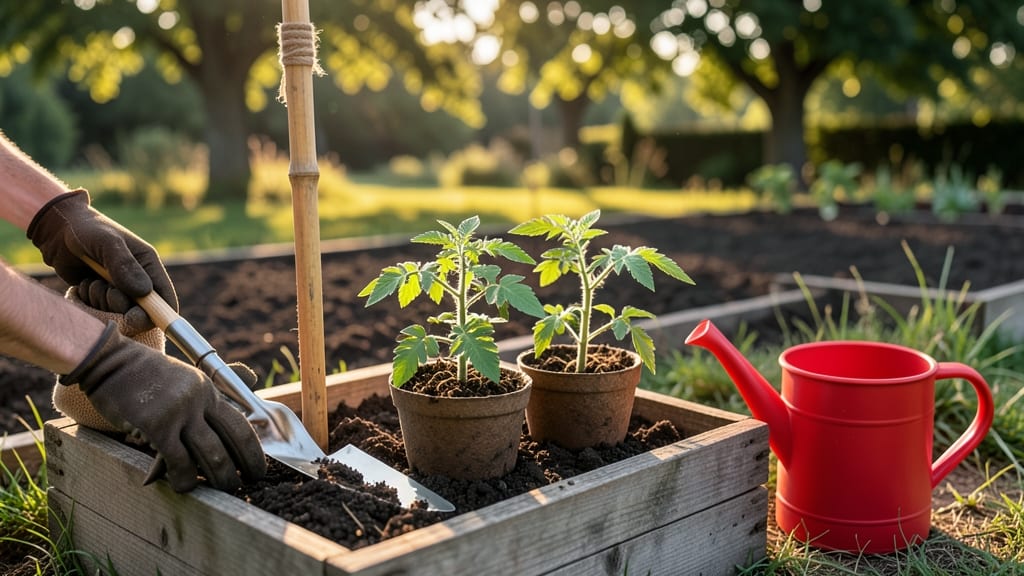
How big should tomato seedlings be before transplanting? The back-of-hand height check—where the thickest stem should span about 1-2 inches—is my foolproof way to gauge readiness, but there's more to it than just height. Beyond size, look for 5-7 true leaves (not the first seed leaves) and stems thick enough to snap with a slight bend—not a limp. I've learned the hard way that seedlings need consistent 60°F+ nighttime temps and 12+ hours of daylight before going outside, or they'll bolt or get leggy. Even if they're the right size, cold snaps will set them back. When you do transplant, bury two-thirds of the stem—it'll root along the buried section, creating a stronger plant. The roots should fill the pot, and leaves should be dark green, not yellow or purple. This is where most beginners go wrong: rushing seedlings into the ground too early. Hardening off takes 7-10 days of gradual exposure, and I always plant after sunset to reduce transplant shock. The payoff? Plants that take off immediately instead of playing catch-up all season.
📚 In This Guide
- What you need
- Instructions
- Tips and common mistakes
- Wrapping up and next steps
What you need
- ● Tomato seedlings: Healthy plants that are at least 6–12 inches tall (check with the back-of-hand test!) with 2–4 true leaves and sturdy stems.
- ● Transplanting containers or pots: Individual pots: 4–6 inches in diameter (biodegradable or plastic).
- ● Grow bags: 5–7 gallons (if planting 2–3 seedlings per bag).
- ● Garden beds or raised beds: Ensure they’re prepared with compost or aged manure (1–2 inches mixed into the top 6–12 inches of soil).
- ● High-quality potting mix: Lightweight and well-draining (look for labels like "tomato mix" or "seedling mix"). Avoid garden soil—it’s too dense!
- ● Transplanting tool: Small hand trowel or garden spade.
- ○ Optional: Transplanting spike (for pots) to minimize root disturbance.
- ● Watering can or hose with a gentle nozzle: Use room-temperature water to avoid shocking the seedlings.
- ○ Plant supports (optional but recommended): Stakes: 5–6 feet tall (bamboo or wooden).
- ● Cages: 5–6 feet tall (wire or plastic).
- ● Trellis: For indeterminate varieties (if growing vertically).
- ● Fertilizer: Balanced, water-soluble fertilizer (e.g., 10-10-10 or 5-5-5) to give seedlings a nutrient boost after transplanting.
- ● Mulch: Straw or shredded leaves to retain moisture and regulate soil temperature.
- ● Shade cloth: If transplanting in hot or sunny conditions (30–50% shade for the first few days).
- ● Pruning shears: For trimming any yellow or damaged leaves before transplanting.
- ● Garden gloves: To protect your hands from thorns (especially on heirloom varieties!).
- ● ✅ Weather: Wait for mild temperatures (50–75°F) and no frost in the forecast for 2–3 weeks.
- ● ✅ Soil temperature: Ensure it’s at least 55°F (use a soil thermometer if unsure).
- ● ✅ Sunlight: Confirm your transplant location gets 6–8+ hours of sunlight daily.
- ● ✅ Seedling health: Avoid transplanting if seedlings look wilting, leggy, or diseased.
Instructions for transplanting tomato seedlings at the right size
Here’s how to judge tomato seedlings’ readiness for transplanting—no ruler required.
Check Stem Strength and Leaf Development
Tomato seedlings should have 2-4 sets of true leaves (the second pair after the initial seed leaves) and a thick, sturdy stem about ¼ to ½ inch in diameter. You’ll notice the stems are firm when you gently pinch them—they shouldn’t snap or bend easily. This thickness ensures they can support the plant’s eventual fruit load.
If seedlings are leggy or pale, they’ve stretched toward light and need stronger stems before transplanting. Leggy seedlings often recover if you bury them deeper (up to the first true leaves) to encourage root growth along the stem. Wait until they’re compact and dark green before moving them outside.
Assess Root Growth Through the Bottom of the Pot
Gently squeeze the pot to check for roots circling the bottom or growing through drainage holes. Healthy tomato seedlings will have roots filling at least 50-70% of the root ball. If roots are sparse, give them another 1-2 weeks indoors under bright light to bulk up.
Don’t let seedlings sit too long in crowded pots—they’ll become root-bound and stressed. If roots are tightly matted, transplant sooner rather than later, even if the stem isn’t perfectly thick. A slightly smaller seedling with strong roots will outperform an overgrown, root-bound one.
Verify Hardiness Through Gradual Outdoor Exposure
Before transplanting, seedlings must endure 5-7 days of hardening off—exposing them to outdoor conditions for gradually increasing durations. Start with 1-2 hours of shade on day one, then add 1 hour daily until they can handle full sun. Watch for wilting or leaf scorch; if leaves yellow or droop, they’re not ready yet.
By the final day, seedlings should tolerate 6+ hours of direct sun without stress. This process toughens stems and prevents transplant shock. If nighttime temperatures dip below 50°F, delay transplanting until soil warms—cold soil stunts root growth and delays establishment.
Time Transplanting for Optimal Plant Maturity
Transplant 2-3 weeks before your last frost date, but only if soil temperature reaches at least 60°F. Use the "back-of-hand" rule: If a seedling’s stem is roughly the width of your pinky finger at the base, it’s ready. Smaller stems may not support the plant’s weight as it matures.
For indeterminate varieties (like cherry tomatoes), prioritize stem thickness over height—these plants grow continuously and need robust support. Determinate tomatoes (like Roma) can be slightly shorter but should still have strong stems and 3-4 leaf sets. Transplanting at this stage balances size with resilience.
Prepare for Post-Transplant Care
After transplanting, water deeply to settle soil around roots and mulch with 2-3 inches of organic matter to retain moisture. Avoid fertilizing immediately—new roots need time to establish before taking up nutrients. Monitor for wilting or yellowing leaves, which signal stress from shock or poor drainage.
Within 10-14 days, new growth should appear, indicating roots have acclimated. If seedlings stall, check for pests (like aphids) or fungal issues (like damping-off) and address them promptly. The key is patience: a well-timed transplant leads to a stronger, more productive plant than rushing too early.
Tips & tricks for judging tomato seedling readiness
The right size matters more than you think—these insights will help you avoid common pitfalls and give your plants the best start possible.
Stem Thickness Over Height: That "back-of-hand" rule isn't just a gimmick—it's a proven way to gauge strength. For indeterminate varieties, aim for a stem thickness roughly equal to your pinky finger at the base. Determinate tomatoes can be slightly smaller, but never sacrifice thickness for height. I've seen leggy seedlings with perfect height but stems so thin they snapped under fruit weight later in the season.
Root Development is Non-Negotiable: When you see roots growing through drainage holes or circling the bottom, it's time to act. If roots are sparse after the recommended 1-2 weeks indoors, supplement with a grow light—natural light alone often isn't sufficient. I learned this the hard way when my seedlings became root-bound and struggled to establish after transplanting, despite having the right stem thickness.
Hardening Off Strategy: The 5-7 day hardening process is where most gardeners go wrong. Start with just 1-2 hours of shade on day one, then gradually increase exposure. Many people try to rush this step, leading to transplant shock. I recommend keeping a journal of your seedlings' reactions—note any wilting or leaf scorch, as these are early warning signs they're not ready for full sun.
Soil Temperature Matters More Than Calendar Dates: Never transplant when soil temperatures dip below 60°F, even if your last frost date has passed. Cold soil stunts root growth and delays establishment. I use a soil thermometer to check temperatures in the morning—if it's below 60°F, I wait. This simple tool has saved me from transplanting too early more times than I can count.
Pro Tips for How Big Should Tomato Seedlings Be Before Transplanting
- The right size matters more than you think—these insights will help you avoid common pitfalls and give your plants the best start possible.
- Stem Thickness Over Height: That "back-of-hand" rule isn't just a gimmick—it's a proven way to gauge strength.
- Root Development is Non-Negotiable: When you see roots growing through drainage holes or circling the bottom, it's time to act.
Frequently asked questions
What if my seedlings are too small for transplanting?
If your seedlings are still tiny (under 4–6 inches), don’t rush transplanting! Instead, harden them off gradually by placing them in a sheltered outdoor spot for a few hours daily. Use grow lights or a sunny windowsill to keep them growing. Transplant only when they’re sturdy enough to handle outdoor conditions—usually after 6–8 weeks of growth.
Can I transplant seedlings too early?
Yes, transplanting too early is risky. Seedlings need to be at least 4–6 inches tall with 3–5 true leaves and a sturdy stem. Early transplanting can shock young plants, leading to stunted growth or even death. Wait until nighttime temps stay above 50°F (10°C) and frost risk has passed.
Should I pinch off flowers on young seedlings before transplanting?
Pinching off the first flowers (if any) encourages the plant to focus on root and stem growth rather than fruiting. This helps seedlings establish stronger roots before transplanting. Wait until after transplanting to let them flower naturally—unless you’re in a short-season climate.
What if the weather turns cold after I transplant?
If a late frost or cold snap hits, protect your seedlings with row covers, cloches, or cold frames. Avoid heavy mulch until roots are well-established (about 2 weeks post-transplant). If temps drop below 40°F (4°C), move potted seedlings to a sheltered spot or indoors temporarily.
Can I transplant seedlings at different heights?
Yes, but bury them deeper than they were in pots! Tomato stems can grow roots along their length, so plant them 2/3 of the way up the stem. This boosts stability and root growth. Just avoid burying the leaves or flower clusters, as they need light to thrive.
Wrapping up and next steps
Transplanting your tomato seedlings at the right size—around 6 to 12 inches tall—sets the stage for a thriving harvest. 🌱 Whether you’re using the back-of-hand rule or checking for sturdy stems and true leaves, timing matters! Don’t wait too long, or you’ll risk stressing delicate roots.
Now that you’re ready, take the next step: harden off your seedlings and prepare your garden beds. With patience and care, you’ll soon be enjoying homegrown tomatoes straight from your own plants. Happy gardening! 🍅