
Size
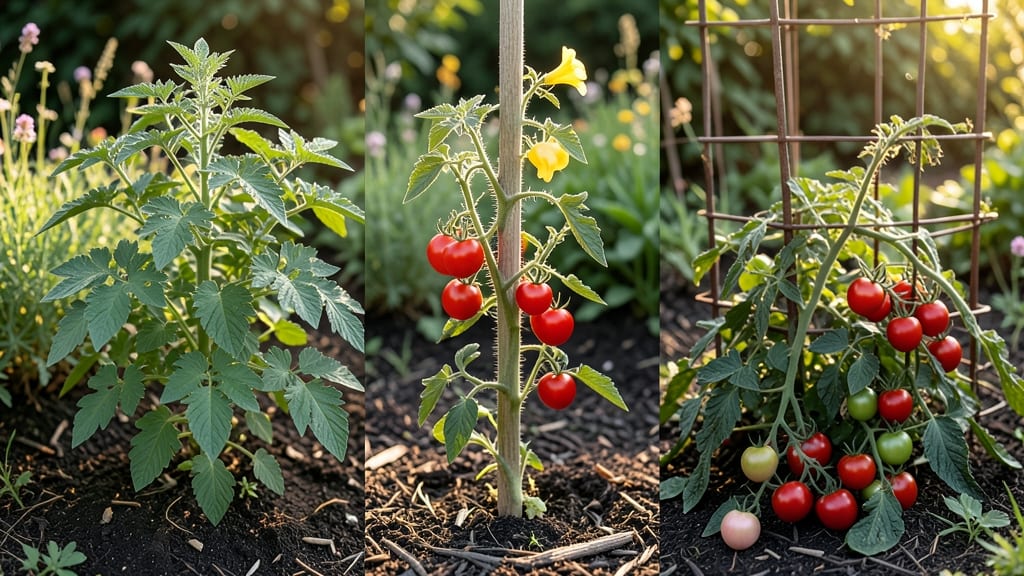
Tomato plants grow anywhere from how high do tomato plants grow—ranging from 1 foot to over 10 feet tall, depending on the variety—whether you’re dealing with compact bush types or sprawling vines that need a trellis.
Picture this: a 3-foot dwarf tomato thriving in a pot on your patio, while a neighbor’s indeterminate variety climbs their fence like a jungle gym. The difference isn’t just height—it’s how you’ll support, prune, and even harvest them.
If you’ve ever wondered whether your garden has room for sky-high vines or if you’re stuck with low-slung bushes, the answer lies in understanding determinate vs. indeterminate growth habits. Some varieties top out by midsummer, while others keep stretching until frost.
In this guide, I’ll break down the height ranges by type, share tips for managing sprawling plants, and even suggest the best dwarf varieties for small spaces—so you can grow more tomatoes, no matter how much (or little) vertical room you have.

Tomato plant height by variety: dwarf, determinate, and indeterminate types explained
Choosing the right tomato variety isn't just about flavor—it's about space! Some varieties stay compact while others climb like jungle vines. Understanding these three growth habits will help you pick plants that fit your garden perfectly.
Whether you have a tiny balcony or a sprawling backyard, knowing how high your tomatoes will grow saves you from crowded plants or wasted space.
Tomato plants fall into three main categories: dwarf, determinate, and indeterminate. Each has distinct height ranges and care needs. Dwarf varieties are perfect for containers, while indeterminate types can reach sky-high heights if left unchecked.
Let's break down the differences so you can make the best choice for your garden layout.
Here's a quick comparison of how these varieties grow, including their mature heights and ideal spacing:
Dwarf varieties like 'Tiny Tim' or 'Patio Princess' stay under 3 feet, making them ideal for containers or small gardens. Their compact size means you can grow multiple plants in a single pot, perfect for balconies or patios. These varieties produce all their fruit at once, so expect a single harvest season with a bumper crop.
Determinate varieties, such as 'Roma' or 'Celebrity,' grow to about 4-5 feet tall. They're the workhorses of the garden, producing fruit all at once, which is great for canning or sauces.
Since they're self-supporting, they need minimal staking, but their height still requires some spacing to prevent overcrowding and disease.
Indeterminate varieties are the giants of the tomato world, capable of growing 10 feet or more with proper support. Varieties like 'Sungold' or 'Brandywine' produce fruit continuously throughout the season. These vining plants need strong trellises or cages to support their weight and keep fruits off the ground.
Without support, their sprawling habit can lead to broken stems and lost tomatoes.
Your garden's layout plays a huge role in choosing the right tomato variety. If you're working with limited vertical space, dwarf or determinate types are your best bet.
For vertical gardening or maximizing small areas, consider indeterminate varieties trained up a trellis. Always check the spacing recommendations on seed packets to ensure good airflow and prevent disease.
Support structures aren't just for show—they're essential for healthy growth. Cages work well for determinate varieties, while trellises or stakes are better for indeterminate types. For container gardening, use smaller cages or stakes that fit your pot size.
Proper support prevents disease by keeping foliage dry and makes harvesting easier, especially for heavy varieties like beefsteak tomatoes.
Light exposure affects height too. All tomato varieties need full sun (6-8 hours daily), but indeterminate types may grow taller in search of light if shaded. If you're growing in containers, rotate them regularly to ensure even sunlight exposure.
This helps maintain balanced growth and prevents lopsided plants that can snap under their own weight.
Remember, even within these categories, there's variation. Some semi-dwarf indeterminate varieties stay around 5 feet tall, while others can reach 15 feet with proper care. Always check the specific variety's description to get the most accurate height expectations.
Happy planting—and may your tomatoes reach their full potential without taking over your garden!
How to control tall tomato plant growth naturally without pruning
If you’ve ever watched your indeterminate tomato plants reach skyward like jungle vines, you know how quickly they can overwhelm your garden. The good news? You don’t need to resort to aggressive pruning to manage their height.
With the right organic techniques, you can guide their growth naturally while maximizing your harvest. The key lies in understanding how to support their structure, nourish their roots, and work with their natural tendencies.
Tall tomato varieties like ‘Sungold’ or ‘Brandywine’ can grow 6-10 feet tall if left unchecked, but their sprawling habit isn’t just about height—it’s about how they produce fruit.
Instead of cutting back, focus on trellising, soil health, and strategic companion planting to keep them productive without sacrificing their towering potential. These methods not only save you time but also encourage stronger, more resilient plants.
Another often-overlooked trick is to train vines upward by gently weaving them through your trellis or cage in a spiral pattern. This not only controls their height but also improves air circulation, reducing the risk of fungal diseases like blight.
For even taller varieties, consider using a tomato tower—a vertical growing system that lets you grow 10-foot vines in a compact space. Just ensure the structure is wind-resistant and anchored securely.
By combining these natural methods, you’ll enjoy healthier plants, higher yields, and a garden that stays organized without the need for harsh pruning. Plus, your neighbors will be jealous of your neat, productive tomato towers!
The best part? These techniques work for container gardening too—just use smaller trellises and ensure your pots are 12+ inches deep to accommodate root growth.
Remember, the goal isn’t to stifle your tomatoes but to guide their natural growth in a way that benefits both you and the plant. With a little patience and the right support, even the tallest varieties will thrive—without taking over your garden. Happy growing! 🌱