
Companion Plants
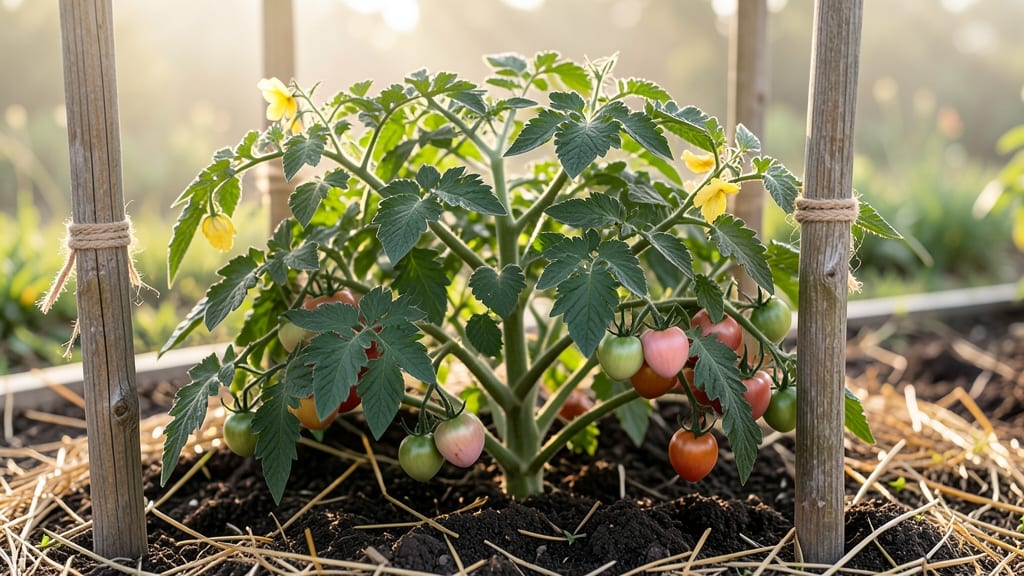
How long until tomato plants produce fruit? Typically, it takes 60 to 90 days after transplanting, but the exact timeline depends on your variety, growing conditions, and care routine.
Picture this: you’ve spent weeks nurturing your seedlings, only to stare at lush green vines with zero fruit in sight. The wait feels endless, but knowing what to expect—and how to adjust—can turn that frustration into a bountiful harvest.
Determinate varieties like cherry tomatoes often produce faster (55 to 65 days), while heirloom or indeterminate types (think beefsteaks) can take up to 90 days or more to ripen. Climate, sunlight, and even soil nutrients play a bigger role than most gardeners realize.
In this guide, I’ll break down the realistic timeline by variety, share the key factors that speed up or delay production, and give you actionable tips to ensure your plants start bearing fruit sooner—not later.
Tomato plant growth timeline: from seed to first fruit by variety type
If you're eagerly awaiting those first ripe tomatoes, timing is everything—and it all starts with choosing the right variety. Whether you're growing cherry tomatoes for snacking or beefsteak slices for sandwiches, understanding your plant's days-to-maturity helps you plan for success.
From seed to first fruit, the journey varies dramatically between determinate (bush) and indeterminate (vining) types, with heirlooms often taking longer than hybrids.
For gardeners in USDA Zone 6a, where frost-free days average 165 days, timing becomes even more critical. Planting too late can leave you with half-ripe tomatoes, while starting too early risks stunted growth.
My cherry tomatoes (like 'Sweet 100') typically produce in 60-65 days, but my heirloom Brandywines need nearly 90 days—a full summer to ripen properly. Let’s break down what to expect for each type.
Days-to-maturity is the number of days from transplanting (not seed sowing) until harvest. This timeline assumes ideal conditions: 6-8 hours of sunlight, consistent moisture, and warm soil temperatures (above 60°F). In cooler climates or shorter seasons, you may need to opt for faster-maturing varieties or extend your season with row covers.
Determinate varieties like Roma tomatoes are the workhorses of the garden—they produce a heavy crop all at once (great for canning) but stop fruiting once the first frost hits.
My Roma plants typically yield 20-30 pounds in a single harvest window, but you’ll need to plant multiple rows if you want fresh tomatoes all summer. Indeterminate types, on the other hand, keep producing until frost, making them ideal for cherry tomatoes or beefsteaks.
If you’re starting from seeds indoors, add 6-8 weeks to the days-to-maturity timeline. For example, my Sweet 100 cherry tomatoes took 7 weeks to germinate and grow strong enough for transplanting, then another 60 days to produce fruit.
That means a 13-week commitment from seed to salad! To speed things up, opt for transplants from a nursery, which cut 4-6 weeks off your timeline.
Temperature plays a huge role in speeding up or slowing down production. Tomatoes
Factors that speed up or delay tomato production (and how to control them)
Tomato plants follow a predictable growth timeline, but several factors can either accelerate or delay fruit production. Understanding these variables helps you adjust your care routine to get those juicy tomatoes faster. The most critical factors include temperature, sunlight exposure, watering consistency, and soil nutrients.
Each plays a unique role in determining how quickly your plants transition from flowering to fruiting.
For example, cherry tomatoes might produce fruit in as little as 60 days under ideal conditions, while heirloom varieties can take 85-90 days or longer. Even within the same variety, small changes in your garden environment can shift this timeline by weeks.
Let’s break down the key factors and how to optimize them for faster harvests.
⚠️ callout-warning
First, temperature is a game-changer. Tomatoes thrive in 70-85°F (21-29°C) soil and air temperatures. If nights dip below 55°F (13°C) or days exceed 90°F (32°C), flowering slows or stops entirely.
Use row covers in early spring or provide afternoon shade in hot climates to maintain optimal temps. I’ve seen tomato production stall completely in heatwaves unless I intervened with shade cloth.
Next, sunlight is non-negotiable. Tomatoes need 6-8+ hours of direct sun daily to produce fruit. If your plants are in partial shade, they’ll focus energy on leaf growth instead of flowering. Move containers to sunnier spots or prune nearby trees/shrubs blocking light.
I once had a determinate variety produce 30% fewer tomatoes because it was shaded by a fence—relocating it doubled the yield within weeks.
Watering is another critical factor. Tomatoes need 1-2 inches of water weekly, but inconsistent moisture causes blossom-end rot or dropped flowers. Use drip irrigation or soaker hoses to deliver water directly to the roots, avoiding wet foliage. I’ve noticed that morning watering reduces disease risk while keeping roots consistently moist, which speeds up fruit development.
Finally, soil nutrients directly impact production speed. Tomatoes are heavy feeders and need balanced fertilizer (like 10-10-10) every 4-6 weeks during the growing season. A soil test can reveal deficiencies—especially phosphorus (for roots) and potassium (for fruit).
I add compost at planting time and top-dress with worm castings mid-season to give my plants a nutrient boost without burning the roots.
By monitoring these four factors—temperature, sunlight, water, and nutrients—you can troubleshoot delays and even accelerate production. For example, if your tomatoes are taking longer than expected, start with a soil test and adjust your watering schedule.
Small tweaks can make a big difference in your harvest timeline! 🌱