How To
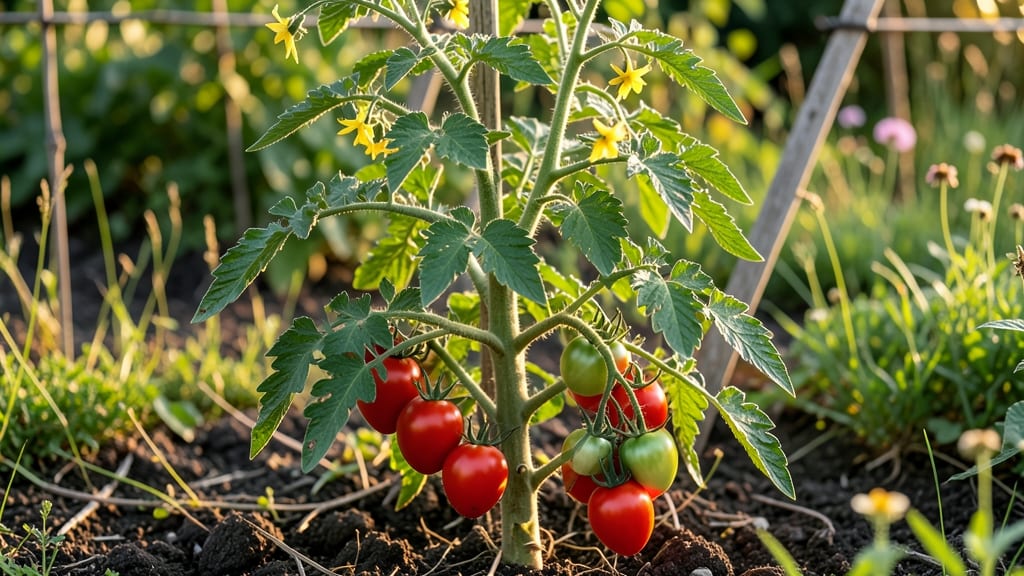
Tomato plants grow anywhere from 3 to 6 feet tall, depending on whether you’re growing bushy determinate varieties or sprawling indeterminate vines 🍅—and that difference can completely change how you plan your garden.
Ever stared at your garden layout and wondered how much vertical space to allocate for your tomatoes? The answer isn’t one-size-fits-all, and getting it wrong can mean wasted space or plants fighting for sunlight.
Some varieties barely clear a countertop, while others need a sturdy trellis to reach their full potential.
In this guide, I’ll break down the height ranges for both determinate and indeterminate types, so you can visualize exactly how much room your plants will need.
You’ll also learn how pruning, sunlight, and even your soil can influence their growth—and how to keep them at the perfect height for a bountiful harvest.
Whether you’re working with limited space or dreaming of a towering tomato jungle, these insights will help you optimize your garden for maximum yield without the guesswork.

Tomato plant height by variety: indeterminate vs determinate growth charts
When planning your garden, knowing how tall tomato plants grow is essential for maximizing space and yield. Tomato varieties fall into two main growth categories: indeterminate (vining types) and determinate (bush types). These differences impact everything from spacing to trellising needs.
Indeterminate varieties can reach 6-12 feet tall with proper support, while determinate types typically max out at 3-5 feet. Understanding these growth patterns helps you choose the right varieties for your space and growing conditions.
The height of your tomato plants also depends on whether you're growing them in containers or in the ground. Container-grown tomatoes often stay shorter due to root restriction, while in-ground plants have more room to spread vertically.
For example, a Beefsteak variety might reach 8 feet in the ground but only 4-5 feet in a large pot. Let's break down the height expectations for popular varieties to help you plan your garden layout effectively.
Tomato Height Comparison: Indeterminate vs. Determinate
| Variety | Type | Ground Height | Container Height | Spacing Needs | Best For |
|---|---|---|---|---|---|
| Cherry Roma | Indeterminate | 6-10 ft | 4-6 ft | 18-24 in apart | Trellises, cages |
| Beefsteak | Indeterminate | 8-12 ft | 5-7 ft | 24-36 in apart | Stakes, strong trellises |
| Celebrity | Determinate | 3-4 ft | 2-3 ft | 18-24 in apart | Cages, ground planting |
| Sungold | Indeterminate | 4-6 ft | 3-5 ft | 12-18 in apart | Trellises, hanging baskets |
| Roma | Determinate | 3-5 ft | 2-4 ft | 24 in apart | Cages, ground planting |
| Early Girl | Indeterminate | 5-7 ft | 4-5 ft | 18-24 in apart | Trellises, stakes |
If you're growing indeterminate varieties like Beefsteak or Cherry Roma, plan for vertical growth with sturdy trellises or cages. These plants continue growing throughout the season and can produce fruit until frost. In containers, indeterminate varieties will still climb but may not reach their full ground height.
For example, a Sungold tomato in a 5-gallon pot might only reach 3-5 feet instead of 4-6 feet in the ground.
For determinate varieties like Celebrity or Roma, height is more predictable, making them ideal for small spaces or container gardening. These plants grow to a specific height and then produce fruit all at once.
Their compact size makes them perfect for balcony gardens or patio containers, where vertical space is limited. In the ground, they typically don't exceed 4-5 feet, making them easier to manage without extensive support.
Another key factor is pruning. Indeterminate varieties benefit from regular pruning to control height and improve air circulation, which reduces disease risk. Removing suckers (side shoots) can help keep your plants at a manageable height while increasing fruit size.
For determinate varieties, pruning is minimal—just remove any damaged or diseased leaves to keep the plant healthy. This hands-off approach is ideal for beginners or those with limited time for garden maintenance.
When choosing varieties for containers, opt for dwarf or semi-dwarf types or smaller indeterminate
How to control tomato plant height naturally for space efficiency
If your tomato vines are reaching for the sky like they’re auditioning for a jungle gym, you’re not alone! Indeterminate varieties can grow 6+ feet tall if left unchecked, while even determinate types can sprawl beyond their intended height.
The good news? You don’t need chemicals or harsh pruning to manage their growth—just a few natural techniques to guide them into your ideal space.
I’ve tested these methods in my own garden, and they work whether you’re growing cherry tomatoes in containers or beefsteak varieties against a fence. The key is balancing pruning, support systems, and organic growth regulators to keep your plants productive without sacrificing yield or health.
Let’s dive into the step-by-step approach that’s saved me from tomato chaos in tight spaces.
Step-by-Step Guide to Natural Height Control
- 1 Choose the right support system early. Use trellises for indeterminate types (6+ ft) or cages (3-4 ft) for determinate varieties. Install supports at planting to avoid root disturbance later.
- 2 Prune suckers (side shoots) regularly. These grow in the leaf axils and divert energy from fruit production. Pinch them off when they’re 1-2 inches long to encourage upward growth.
- 3 Use organic growth regulators like seaweed extract (1 tsp/gallon) or diluted compost tea. Apply every 2 weeks to slow rapid growth without harming the plant.
- 4 Train vines upward by tying them gently to supports with soft cloth or plastic strips. Avoid wire or tight ties that can damage stems as they thicken.
- 5 Monitor light exposure. Tall plants in shaded areas grow leggy. If your tomatoes stretch toward light, move them to a sunnier spot or supplement with a grow light for 4-6 hours daily.
One mistake I made early on was waiting too long to prune—by the time I noticed my Sungold cherry tomatoes had gone wild, they were already 8 feet tall and struggling to support their own weight.
Now, I prune weekly during peak growth (June-August) and adjust my trellis height accordingly. For determinate varieties, I focus more on staking than pruning since they naturally top out.
For container gardening, choose dwarf or bush varieties like ‘Tiny Tim’ (2-3 ft) or ‘Patio Princess’ (3-4 ft). Even then, use mini cages or bamboo stakes to prevent sprawling.
I’ve seen indeterminate types like ‘Sweet Million’ thrive in 5-gallon buckets with proper support—just be prepared to harvest more frequently since they produce continuously.
Remember, the goal isn’t to stunt your plants but to guide their growth for better airflow, easier harvesting, and higher yields. With these techniques, you’ll transform unruly vines into a space-efficient tomato powerhouse—no chemical shortcuts required! 🌱