
Companion Plants
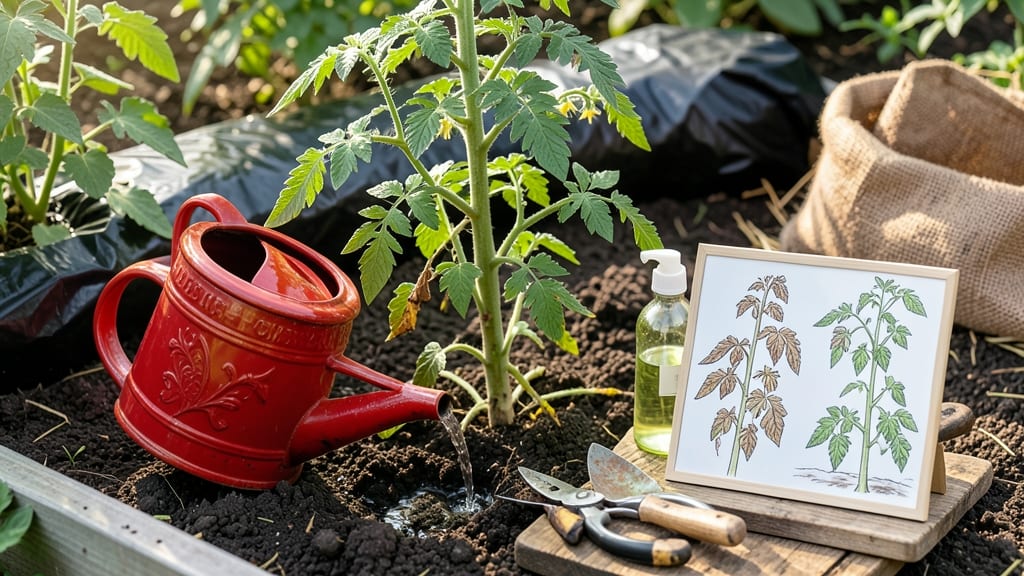
Your tomato plants might still have how to bring them back to life—even when they look like they’ve given up. 🌱 The first 48 hours are critical, but with the right moves, you can revive wilted foliage and save your harvest before it’s too late.
I’ve nursed back plants that looked beyond hope using these three targeted steps, and the key is acting fast while diagnosing the root cause.
The most common culprits are overwatering (which chokes roots), pests (like aphids or hornworms), or early blight—all of which respond differently. Start by checking the soil: if it’s soggy, you’re drowning the roots; if it’s bone-dry, they’re starving.
Trim any blackened or mushy leaves immediately with clean pruners, then focus on the underlying issue—whether it’s adjusting your watering schedule, introducing beneficial insects, or applying a fungicide.
Within 72 hours, you’ll see the first signs of recovery: new green growth at the stem’s base or firmer leaves. The trick is consistency—keep the soil evenly moist (not soaked), provide afternoon shade if needed, and feed with a balanced fertilizer to rebuild strength.
My plants bounce back faster when I combine pruning with a 1-inch layer of mulch to retain moisture and block disease spores.
Prevention is easier than rescue: next season, space plants for airflow, rotate crops, and monitor for pests weekly. But for now, focus on these three steps—your tomatoes can still turn things around before it’s too late.
Why it happens
Tomato plants are resilient, but when they start wilting, yellowing, or dropping fruit, it’s often a sign of stress from one (or more) underlying issues. Understanding why your plants are struggling is the first step to reviving them.
Below, we break down the most common culprits—backed by science—and explain how they sabotage your tomato’s health.
🌱 Overwatering or Poor Drainage
Tomatoes thrive in well-draining soil, but too much water—especially in compacted or clay-heavy soil—can suffocate roots. When soil stays soggy, oxygen is cut off, leading to:
- Root rot: Fungal pathogens like Phytophthora or Pythium multiply in waterlogged conditions, rotting roots and blocking nutrient uptake. Symptoms: Yellowing leaves (even if soil is wet), mushy stems, and a foul odor.
- Nutrient leaching: Excess water washes away essential minerals (like nitrogen, potassium, and magnesium), starving the plant. Sign: Older leaves turn yellow (chlorosis) while new growth stays stunted.
Actionable clue: Stick your finger 2 inches into the soil—if it’s damp, wait to water. If your pots lack drainage holes, repot immediately.
☀️ Extreme Heat or Sunburn
Tomatoes love sun, but intense midday heat (above 90°F/32°C) or reflective surfaces (like light-colored mulch or pavement) can scorch leaves. Here’s how it happens:
- Leaf scorch: Direct sunlight damages cell membranes, causing brown, crispy patches (often on upper leaves). This disrupts photosynthesis, weakening the plant.
- Blossom drop: Heat stress triggers ethylene gas production, causing flowers (and potential fruit) to fall off. Symptom: Flowers wilt and detach within hours of blooming.
Actionable clue: Look for white or grayish patches on leaves—this is classic sunburn. Provide afternoon shade (e.g., shade cloth) or mulch with straw to regulate soil temperature.
🍄 Fungal or Bacterial Infections
Tomatoes are prime targets for pathogens that thrive in warm, humid conditions. The most damaging offenders:
| Disease | How It Attacks | Tell-Tale Signs |
|---|---|---|
| Early Blight (Alternaria solani) | Fungal spores spread via water splashes, infecting lower leaves first. Blocks stomata, choking the plant. | Concentric target-like brown spots with yellow halos; stems may darken. |
| Verticillium/Wilt (Verticillium dahliae) | Fungus clogs xylem vessels (the plant’s water pipes), causing sudden wilting even when soil is moist. | Yellowing one-sided, then wilting leaves (often starting with lower branches). Vascular discoloration (brown streaks) in stems when cut. |
| Bacterial Spot (Xanthomonas perforans) | Bacteria enter through leaf wounds (e.g., hail, insect damage) and spread via rain or overhead watering. | Water-soaked spots that turn black with yellow margins; fruit may develop scabby lesions. |
Actionable clue: Remove infected leaves immediately (don’t compost them!) and space plants for airflow. Copper fungicides can help, but prevention (crop rotation, resistant varieties like ‘Mountain Merit’) is key.
🌡️ Temperature or Soil pH Imbalances
Tomatoes are tropical plants at heart—they wilt when stressed by cold snaps or soil chemistry gone wrong.
- Cold damage: Temperatures below 50°F (10°C) slow photosynthesis and disrupt cell function. Symptoms: Purple stems/leaves (phosphorus deficiency), stunted growth, or blackened leaf edges.
- pH problems: Tomatoes prefer pH 6.0–6.8. Soil too acidic (<5.5) locks out phosphorus; too alkaline (>7.0) blocks iron and manganese.
Actionable clue: Test your soil (kits are cheap!). For cold stress, use row covers or move pots to a sheltered spot. Amend soil with lime (to raise pH) or sulfur (to lower it) as needed.
🐜 Pests Draining Vitality
Insects like aphids, spider mites, and hornworms don’t just munch—they inject toxins or transmit viruses that weaken tomato plants.
- Aphids: Pierce leaves to feed on sap, excreting honeydew (a sugar-rich goo) that fosters sooty mold, further blocking sunlight.
- Hornworms: Defoliate plants overnight, leaving skeletons of leaves and black droppings. A single worm can strip a plant in days.
- Spider mites: Thrive in dry heat, suctioning cell contents, causing yellow stippling (tiny white/yellow dots) and webbing.
Actionable clue: Check undersides of leaves for pests. Blast off aphids with water; handpick hornworms (they’re huge and slow!). Introduce ladybugs or parasitic wasps for natural control.
Revive Your Tomatoes Step by Step
When your tomato plants look like they’ve been hit by a summer storm, don’t panic—there’s still hope! Below are practical, actionable fixes tailored to the most common causes of wilted foliage, along with prevention tips to keep your plants thriving.
Think of this as your emergency rescue kit for tomato plants.
Signs: Yellowing leaves, mushy stems, foul-smelling soil, or plants that wilt even when watered.
How to Turn It Around:
- 🔥 Stop Watering Immediately
- Overwatering suffocates roots by cutting off oxygen. Let the soil dry out slightly before watering again.
- 🍳 Improve Drainage Fast
- Dig a 1-inch-deep trench around the base of the plant to encourage excess water to drain away.
- Mix sand or perlite into the top 6 inches of soil to loosen compacted dirt (use a ratio of 1 part amendment to 3 parts soil).
- 👨🍳 Support Roots with Air
- Gently loosen the soil around the roots with a fork or trowel (be careful not to damage them).
- If the soil is severely waterlogged, transplant the plant into a container with fresh, well-draining potting mix for a few days to recover.
- ⏰ Monitor Watering Moving Forward
- Water only when the top 1–2 inches of soil feel dry (stick your finger in to test).
- Use drip irrigation or soaker hoses to deliver water slowly at the base, avoiding leaf wetness.
💡 Prevention Tip: Plant tomatoes in raised beds or mounds to prevent water pooling. Add compost or coconut coir to improve soil structure before planting.
Signs: Crispy, brown leaf edges, wilting in the afternoon, or leaves curling upward like a taco.
How to Treat It:
- 🌿 Provide Shade Temporarily
- Set up a shade cloth (30–50%) over the plants for a few hours during peak sun (11 AM–4 PM).
- Use lightweight row covers or even a white sheet propped up with stakes.
- 💦 Hydrate Deeply and Often
- Water early in the morning (before 10 AM) to let foliage dry before evening.
- Aim for 1–1.5 inches of water per week, including rainfall. Use a moisture meter if possible.
- 🎯 Mulch Like a Pro
- Apply 2–3 inches of straw or wood chips around the base to retain moisture and cool roots.
- Avoid mulching too close to the stem to prevent rot.
- 🌱 Prune for Better Airflow
- Trim lower leaves (up to 12 inches from the ground) to reduce transpiration and improve airflow.
🔥 Prevention Tip: Choose heat-tolerant tomato varieties like ‘Solar Fire,’ ‘Heatmaster,’ or ‘Arkansas Traveler.’ Plant in late spring or early summer to avoid extreme early-season heat.
Signs: Brown spots with yellow halos, white/gray fuzzy growth, or blackened stems.
How to Fix It:
- 🔪 Remove Infected Parts Immediately
- Snip off all diseased leaves with sterilized pruners (wipe with rubbing alcohol between cuts).
- Dispose of them in the trash (not compost)—don’t let spores spread!
- 🍳 Apply Fungicide
- Spray with a copper fungicide or neem oil solution (1 tbsp neem oil + 1 tsp mild soap per quart of water).
- Reapply every 7–10 days or after rain.
- 🌡️ Improve Air Circulation
- Space plants 18–24 inches apart and prune suckers to reduce humidity in the foliage.
- Avoid overhead watering—use drip irrigation instead.
- ✨ Boost Plant Immunity
- Feed with a balanced fertilizer (10-10-10) or compost tea to strengthen the plant’s defenses.
💡 Prevention Tip: Rotate crops annually—never plant tomatoes in the same spot two years in a row. Use resistant varieties like ‘Mountain Merit’ or ‘Defiant PhR.’
Signs: Yellowing between veins (nitrogen), purple stems (phosphorus), or weak, spindly growth (potassium).
How to Correct It:
- 📊 Test Your Soil
- Use a home soil test kit to identify deficiencies. Most garden centers sell them for ~$10.
- 💪 Feed the Right Way
- Yellow leaves? Add fish emulsion or blood meal (high in nitrogen).
- Slow growth? Use bone meal (phosphorus) or kelp meal (potassium).
- Over-fertilized? Flush the soil with water to leach excess salts.
- 🥗 Use Organic Amendments
- Mix compost or worm castings into the soil for a slow-release nutrient boost.
- Epsom salt (magnesium sulfate) can help with yellowing leaves—dissolve 1 tbsp per gallon of water and spray foliage.
🌱 Prevention Tip: Side-dress plants with aged compost every 4–6 weeks to maintain steady nutrition. Avoid synthetic fertilizers, which can burn roots if overused.
Signs: Sticky residue (honeydew), tiny insects on undersides of leaves, or webbing.
How to Eliminate Them:
- 🔪 Blast Them Off
- Spray plants with a strong stream of water to knock off pests (do this in the morning).
- 🍳 Use Soap or Oil Sprays
- Mix 1 tsp mild liquid soap + 1 tsp vegetable oil per quart of water. Spray directly on pests (avoid flowers).
- Reapply every 3–5 days until gone.
- 🌿 Introduce Beneficial Insects
- Release ladybugs or lacewings (available at garden centers) to eat aphids naturally.
- 🎯 Prevent Future Infestations
- Reflective mulch (aluminum foil) can deter whiteflies.
- Interplant with basil, marigolds, or nasturtiums to repel pests.
💡 Prevention Tip: Inspect plants weekly for early signs of pests. Remove weeds (they harbor pests!) and clean up garden debris in fall.
No matter the cause, follow these universal recovery steps: ✅ Prune damaged leaves to redirect energy to healthy growth. ✅ Support weak stems with cages or stakes to prevent collapse. ✅ Water consistently—better to underwater slightly than overwater. ✅ Avoid stress—don’t transplant or fertilize heavily while recovering.
Remember: Even severely wilted tomato plants can bounce back with the right care. Act fast, but don’t overreact—many issues improve within 3–7 days of proper treatment. 🚀
Frequently asked questions
How quickly can I expect to see improvement after reviving my tomato plants?
With proper care, you’ll often notice the first signs of recovery within 3–7 days. Look for new green growth at the stem base or firmer leaves. The key is consistency—keep soil evenly moist (not soggy), provide shade if needed, and avoid stress like heavy pruning or fertilizing during recovery.
Can I save a tomato plant with blackened stems or mushy roots?
If stems are blackened or roots are mushy (signs of advanced rot), the plant may not recover. However, try this: cut back to healthy green tissue, replant in fresh, well-draining soil, and monitor closely. For severe cases, focus on saving any remaining fruit by supporting the plant with stakes and providing ideal growing conditions.
What’s the best way to tell if my tomato plant is overwatered vs. underwatered?
Overwatered plants have yellow leaves, mushy stems, and foul-smelling soil even when dry. Underwatered plants show crispy edges, wilting, and dry soil that pulls away from the pot. Stick your finger 2 inches deep—if damp, it’s overwatered; if dry, it’s thirsty. Adjust your watering schedule immediately.
Will pruning help a struggling tomato plant?
Yes! Pruning removes diseased or damaged leaves, redirecting energy to healthy growth. Trim only the worst-affected foliage—avoid over-pruning, which stresses the plant further. Use clean pruners and focus on lower leaves to improve airflow and reduce fungal risks.
Can I use coffee grounds to revive my tomato plants?
Coffee grounds can help if your soil is too alkaline (tomatoes prefer pH 6.0–6.8), but they’re not a cure-all. Mix 1 cup per plant into the soil to lower pH, but avoid overusing—too much nitrogen can burn roots. For immediate revival, focus on fixing drainage, pests, or disease first.