
Vegetables
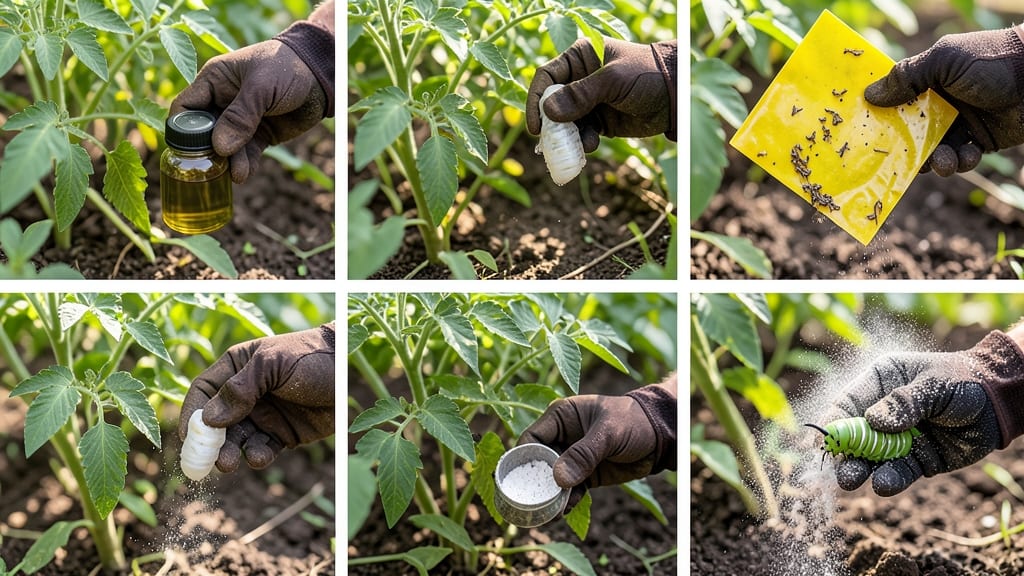
How to deter tomato hornworms—before they strip your plants bare in days—is all about speed and simple, organic hacks. The key is acting fast, knowing what to look for, and using methods that actually work. No more helplessly watching your tomato plants get devoured overnight.
These green monsters grow up to 5 inches long and blend into foliage until it’s too late. I learned the hard way that waiting for them to become too big means losing your harvest.
The solution? Check your plants twice a week—especially in the morning when they’re sluggish—and remove them by hand. It’s gross, but it’s the fastest way to save your tomatoes.
Once you’ve removed the hornworms, the real magic happens. Your plants bounce back in 24-48 hours, and you’ll see new growth within a week. The best part? This method works alongside other tricks like companion planting with basil or attracting parasitic wasps—nature’s built-in pest control.
No matter your garden size, this approach scales easily. Whether you’re growing in containers or a full-size plot, you’ll protect your tomatoes without chemicals. Here’s exactly how to do it—step by step.
The Hidden Attraction Behind Hornworms
Tomato hornworms—those striped, voracious caterpillars—don’t just appear out of nowhere. Their presence in your garden is the result of a mix of natural instincts, plant chemistry, and environmental cues.
Understanding why they target your tomatoes (and other nightshades) is the first step to outsmarting them. Let’s break down the science behind their relentless appetite.
Tomato plants release volatile organic compounds (VOCs) when damaged—think of them as chemical distress signals. These compounds, like methyl salicylate (the same scent in wintergreen), act as a dinner bell for hornworms.
Research shows that hornworms are hardwired to detect these smells, which indicate a food source rich in nitrogen and water—perfect for their rapid growth.
Even worse? Healthy tomato plants emit green leaf volatiles (GLVs), which attract hornworm moths to lay eggs nearby. So, the more lush your plants, the more likely you’ll end up with a caterpillar buffet.
Adult hornworm moths (Manduca sexta) are selective about where they drop their eggs. They prefer:
Females can lay up to 2,000 eggs in a season, and their larvae hatch in just 3–5 days—meaning your garden can go from zero to infestation in a week. Hornworms thrive in warm, humid conditions, which is why they peak in late spring to early summer in most climates. Key triggers include:
If your garden is a warm, shaded oasis with plenty of water, you’ve essentially built a hornworm resort. Hornworms aren’t just hungry—they’re stealthy. Their camouflage (green bodies with white diagonal stripes) mimics bird droppings, and their speed (they can devour a leaf in minutes) makes them hard to spot until it’s too late. Plus, they drop to the ground when threatened, only to reappear later. Worse yet? They secrete a foul-tasting fluid when disturbed, deterring some predators—but not all. Birds and wasps are their main natural enemies, but if those aren’t present, your tomatoes become an all-you-can-eat buffet. Now that you know why these pests target your garden, the next step is turning the tables. Stay tuned for actionable strategies to outsmart their instincts—starting with a hand-picking hack that works in minutes.
Quick Fixes for Tomato Hornworms
Tomato hornworms may seem like a formidable foe, but with the right strategies, you can reclaim your garden in no time! Here’s how to tackle these hungry caterpillars—whether you’re dealing with an infestation or just want to prevent one.
If you’ve spotted these green, striped invaders munching on your tomatoes, hand-picking is the fastest way to stop them. These caterpillars grow up to 4 inches long—making them easy to spot and remove.
How to do it:
- 🕵️♂️ Scout your plants early in the morning or late afternoon when they’re most active.
- 🧤 Wear gloves (optional but helpful if you’re squeamish).
- 👆 Gently pluck them off—they’re surprisingly easy to grab!
- 🪰 Drop them in soapy water (a bucket with a few drops of dish soap) to kill them instantly.
Pro tip: Check the undersides of leaves—they love hiding there! Also, look for their droppings (frass)—a sure sign they’re nearby.
Instead of chemicals, encourage their natural enemies to keep hornworm populations in check.
Best allies:
- 🐞 Parasitic wasps (Cotesia congregata) lay eggs inside hornworms, turning them into "zombie caterpillars."
- 🦋 Praying mantises and 🐸 frogs love snacking on them.
- 🐦 Birds (like chickadees) eat hornworm eggs and young caterpillars.
How to attract them:
- 🌿 Plant companion flowers like dill, fennel, and marigolds to draw beneficial insects.
- 💧 Avoid pesticides—they kill both pests and predators.
- 🏡 Install a birdhouse or a 🐸 frog-friendly pond to boost local wildlife.
If hand-picking isn’t enough, organic sprays can help without harming your plants or pollinators.
Best options:
- 🌿 Bacillus thuringiensis (Bt) – A natural bacteria that targets caterpillars but is safe for humans and pets. Reapply after rain.
- 🍋 Neem oil spray – Disrupts their feeding and growth. Mix 1 tbsp neem oil + 1 tsp mild soap in 1 quart of water.
- 🌶️ Spicy pepper spray – Blend hot peppers, garlic, and water, strain, and spray on leaves.
⚠️ Warning: Always test sprays on a small leaf first—some plants are sensitive!
The best defense? Preventing hornworms from moving in in the first place.
Smart prevention tips:
- 🌱 Rotate crops – Don’t plant tomatoes in the same spot yearly.
- 🌿 Use row covers – Lightweight fabric keeps adults from laying eggs.
- 🕯️ Plant early or late – Hornworms prefer mid-season tomatoes.
- 🌙 Handpick eggs – Look for tiny white ovals on the undersides of leaves.
Final thought: With a little vigilance and the right tools, you can keep your tomato plants thriving—no hornworm in sight! 🍅🚫🐛
Frequently asked questions
How often should I check my tomato plants for hornworms?
Check your plants every 2-3 days during peak season (late spring to early summer). Morning or late afternoon is best—hornworms are sluggish then and easier to spot. Focus on the undersides of leaves where they hide, and watch for their black droppings (frass) as early warning signs.
Will neem oil really work on hornworms, or is it just a myth?
Neem oil is 100% effective when used correctly! It disrupts their feeding and growth hormones, but you must reapply every 3-5 days (especially after rain). Mix 1 tbsp neem oil + 1 tsp mild soap per quart of water and spray thoroughly on both leaf surfaces. Results appear within 24-48 hours of consistent use.
Can I use dish soap alone to kill hornworms?
No—plain dish soap isn't strong enough. However, you can make a soapy water trap by mixing 1 gallon water + 1 tbsp dish soap in a bucket. Drop hornworms in immediately after picking them off. The soap breaks down their protective wax layer, killing them within minutes. This is the most humane way to dispose of them.
What should I do if I find hornworm eggs on my plants?
Remove them immediately! Eggs are tiny white ovals on leaf undersides. Use a soft paintbrush or cotton swab dipped in soapy water to gently scrape them off. Check daily for 3-5 days after spotting adults—females can lay 2,000 eggs in a season, so early intervention is critical.
Are there any plants that naturally repel hornworms?
Yes! Basil is the most effective companion plant—its scent masks tomato odors that attract hornworms. Other good options include marigolds, dill, and fennel, which attract beneficial predators like parasitic wasps. Plant these within 2 feet of your tomatoes for best results.