
Companion Plants
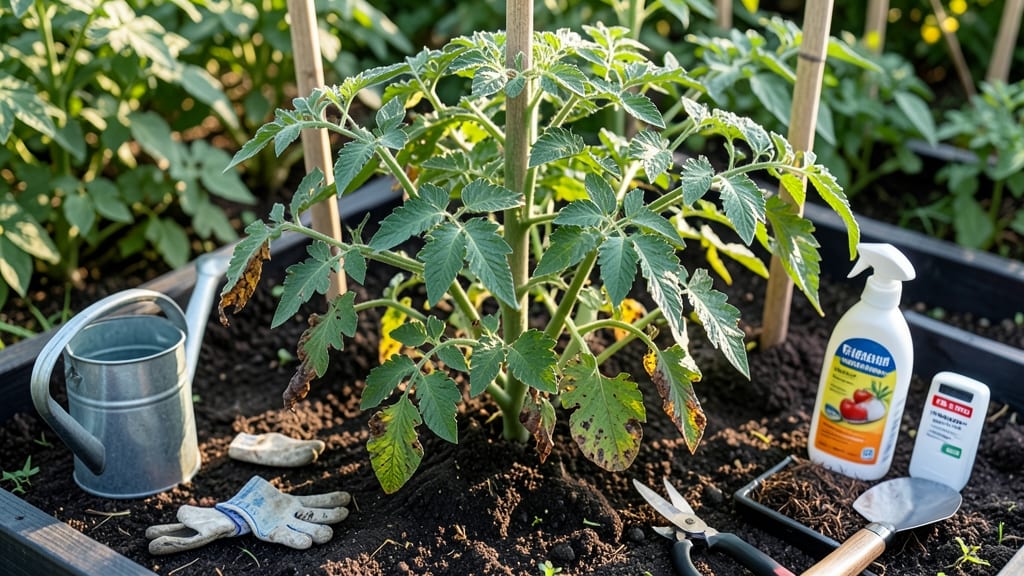
How to fix brown leaves on tomato plants doesn’t mean your harvest is doomed—this is a reversible problem. ✂️ I’ve nursed back more tomato plants than I’ve lost, and the key is identifying why the leaves are browning: too much water, pests, or fungal diseases like early blight. The good news? Each issue has a targeted fix, and most can be resolved in under 48 hours. The first step is checking the soil—if it’s soggy, you’re overwatering. Yellowing leaves paired with brown edges? That’s classic overwatering stress. But if you see dark spots with yellow halos, you’re dealing with early blight, and pruning is your best friend. Remove infected leaves immediately, and space your plants wider to improve airflow. Within a week, you’ll see new growth pushing out—vibrant green leaves that mean your plants are back on track. The secret is acting fast: prune aggressively, adjust your watering schedule, and apply a copper fungicide spray if you spot those telltale spots. Prevention is easier than cleanup, so rotate crops yearly and avoid wetting the foliage when watering. This works for container tomatoes too—just swap the fungicide for neem oil if you’re growing in pots. The goal is to save your plants, not just patch up the damage. Let’s get those leaves perky again!
Root Causes of Leaf Discoloration
Brown leaves on your tomato plants aren’t just an aesthetic issue—they’re a cry for help from your plants. Understanding why this happens is the first step to saving your harvest.
Below, we break down the most common culprits, from environmental stressors to hidden pests, with the science behind each one. 🌱🔍
Tomatoes thrive in well-draining soil, but when roots sit in soggy conditions, they suffocate. Overwatering or compacted soil leads to root rot (caused by fungi like Phytophthora), which cuts off nutrient and water flow.
The leaves turn brown and crispy at the edges, often starting from the bottom of the plant.
- Why it happens: Oxygen deprivation in waterlogged soil triggers anaerobic bacteria, which release toxins that damage roots.
- Tell-tale sign: Yellowing between leaf veins (chlorosis) followed by brown, mushy leaves.
- Actionable clue: Check soil moisture—if it stays damp for more than 24 hours after watering, drainage is the issue.
While tomatoes love sunlight, intense heat (especially above 90°F/32°C) can scorch leaves, turning them brown and papery. This often happens on the upper leaves exposed to direct afternoon sun, particularly in greenhouses or plastic-covered gardens where heat traps.
- Why it happens: High temperatures disrupt chlorophyll production, causing leaf cells to dry out and die. Transpiration (water loss) outpaces absorption, leading to oxidative stress.
- Tell-tale sign: Brown patches on leaf surfaces (not edges) that feel dry to the touch.
- Actionable clue: Look for browning on only the top or sun-exposed sides of leaves.
Brown leaves can also signal an invasion—whether by sucking insects (like aphids or spider mites) or fungal diseases (early blight, septoria leaf spot). Each leaves distinct clues:
🕷️ Spider Mites or Aphids
| Symptom | Cause | Where to Look |
|---|---|---|
| Brown, crispy edges with stippled yellowing | Mites pierce cells, causing plasma leakage and dehydration. | Undersides of leaves; webbing (mites) or sticky residue (aphids). |
| Curled, sticky leaves with black sooty mold | Aphids excrete honeydew, a sugar-rich waste that fuels fungal growth. | New growth tips and leaf undersides. |
🍄 Fungal Infections (Early Blight, Septoria)
- Why it happens: Fungi like Alternaria solani (early blight) thrive in humid conditions (75–85% humidity) and splashing water. They block stomata (leaf pores), starving cells of gas exchange.
- Tell-tale sign:
- Early blight: Concentric brown rings with yellow halos.
- Septoria: Tiny dark spots with light centers, often on lower leaves.
- Actionable clue: Check for lesions on older leaves first—a classic sign of fungal spread.
Brown leaves can also scream for micronutrients. While nitrogen (N) deficiency causes overall yellowing, potassium (K) or magnesium (Mg) shortages lead to browning:
- 🍂 Potassium (K) Deficiency ("Brown Leaf Scorch")
- Why it happens: Potassium regulates osmotic balance in cells. Without it, leaves lose water rapidly, causing edges to brown and crisp.
- Tell-tale sign: Brown, dead tissue along leaf margins (often older leaves first).
- Actionable clue: Test soil pH—low K is common in alkaline soils (pH >7.0).
- 🍃 Magnesium (Mg) Deficiency ("Interveinal Chlorosis")
- Why it happens: Magnesium is central to chlorophyll. A deficiency causes veins to stay green while areas between them turn brown/yellow.
- Tell-tale sign: Brown patches between veins, starting on older leaves.
- Actionable clue: Check soil—Mg is often leached out in sandy or acidic soils.
Sudden changes in temperature, wind, or salinity can shock tomato plants into browning leaves:
- ❄️ Cold Damage
- Why it happens: Temperatures below 50°F (10°C) disrupt cell membrane integrity, causing water loss and tissue death.
- Tell-tale sign: Brown, water-soaked patches that later dry to a crispy texture.
- 💨 Windburn
- Why it happens: High winds dry out leaf surfaces faster than roots can replace moisture, leading to desiccation.
- Tell-tale sign: Brown, papery edges on leaves exposed to wind (often on one side of the plant).
- 🧂 Soil Salinity
- Why it happens: Over-fertilization or poor-quality water (high sodium/chloride) increases soil salinity, osmotically stressing roots and preventing water uptake.
- Tell-tale sign: Brown, cupped leaves with yellowing between veins (similar to K deficiency but younger leaves affected first).
Pro Tip: 🔍 Diagnose like a detective—examine the pattern (edges vs. interveinal), leaf age (old vs. new), and environmental conditions to narrow down the cause. The more specific you are, the faster you can fix it!
Quick Fixes for Tomato Leaf Issues
Now that you’ve identified the cause of those pesky brown leaves, it’s time to roll up your sleeves and restore your tomato plants to their lush, green glory!
Here’s a step-by-step guide to tackling the problem, whether it’s fungal, environmental, or nutrient-related. Prevention tips are sprinkled in to keep your plants thriving long-term.
If your tomato leaves are crispy, brown, and paper-thin from too much sun or heat, act fast to prevent further damage.
🔥 Step 1: Provide Shade Relief
- Morning sun is the biggest culprit—install shade cloth (30-50%) over your plants during peak afternoon hours (11 AM–3 PM).
- Use drip irrigation to keep leaves moist without wetting foliage, which can worsen sunburn.
- Pro tip: 💡 Train vines to grow vertically with cages or trellises—this lifts leaves away from scorching ground heat.
🥗 Step 2: Hydrate Properly
- Water deeply in the early morning (before 9 AM) to reduce evaporation.
- Mulch heavily (2–3 inches of straw or wood chips) to retain moisture and cool roots.
- Avoid overhead watering—wet leaves + sun = magnifying glass effect.
✨ Prevention for Next Season
- Choose heat-tolerant varieties like ‘Solar Fire’ or ‘Heatmaster’.
- Plant in late spring (after last frost) to avoid early-season heatwaves.
- Reflective mulch (like white plastic) can bounce back sunlight—just avoid direct leaf contact.
Brown, greasy-looking spots or yellowing edges? Fungal infections like early blight or septoria leaf spot are likely culprits. Act aggressively to stop the spread.
🧴 Step 1: Prune & Remove Infected Leaves
- Snip off brown leaves below the spot (use sterilized pruners with rubbing alcohol).
- Dispose of debris in the trash (not compost)—fungi hitchhike easily!
- Pro tip: 🔥 Remove lower leaves touching the soil to improve airflow and dry leaves faster.
💦 Step 2: Boost Airflow & Reduce Moisture
- Space plants 18–24 inches apart for better circulation.
- Water at the base (not overhead) and avoid evening watering (fungi love damp leaves overnight).
- Use a fan on low setting near plants to dry foliage quickly.
🛡️ Step 3: Apply Fungicides (Organic & Chemical)
| Method | How to Use | Frequency |
|---|---|---|
| Neem oil spray | Mix 1 tbsp neem oil + 1 tsp mild soap in 1 quart water. Spray evenly. | Every 7–10 days |
| Copper fungicide | Follow label rates; spray at first sign of spots. | Weekly until cured |
| Baking soda spray | 1 tbsp baking soda + 1 tsp oil + 1 gallon water. Spray undersides of leaves. | Every 10 days |
| Commercial fungicide | Products like Bonide Copper Fungicide or Serenade Garden. | As directed |
🌱 Prevention Tips
- Rotate crops—don’t plant tomatoes in the same spot yearly.
- Solarize soil in fall: Cover beds with clear plastic for 4–6 weeks to kill fungi.
- Plant companion herbs like basil or marigolds to deter fungal spores.
Mushy stems, yellow-brown leaves, and root rot? Your tomatoes are drowning. Fix drainage and adjust watering habits.
🚰 Step 1: Check the Soil
- Stick your finger 2 inches deep—if it’s soggy, stop watering immediately.
- Improve drainage by:
- Mixing compost or perlite into heavy clay soil.
- Raising beds or using containers with drainage holes.
💧 Step 2: Adjust Watering Routine
- Water only when the top inch of soil is dry (use a moisture meter if unsure).
- Use a soaker hose to deliver water slowly at the base.
- Avoid saucer-style pots—empty excess water after 15 minutes.
🌿 Step 3: Revive Stressed Plants
- Trim back rotted roots (if repotting) and dust with cinnamon (natural antifungal).
- Transplant if soil is waterlogged—choose a sunnier, drier spot.
🎯 Prevention for Future Seasons
- Test your soil for compaction—amend with sand or coconut coir.
- Plant on mounds to prevent water pooling.
- Use raised beds if your garden has poor drainage.
Brown edges or crispy tips? Your tomatoes might be starving for key nutrients.
📊 Step 1: Diagnose the Deficiency
| Symptom | Likely Cause | Quick Fix |
|---|---|---|
| Yellow lower leaves | Nitrogen deficiency | Apply compost tea or blood meal (follow package rates). |
| Brown leaf edges | Potassium deficiency | Feed with banana peel tea or greensand. |
| Pale, weak growth | Magnesium deficiency | Spray Epsom salt solution (1 tbsp/gallon water) every 2 weeks. |
| Stunted, dark leaves | Phosphorus deficiency | Use bone meal or rock phosphate at planting time. |
🍄 Step 2: Fertilize Smartly
- Avoid over-fertilizing—too much salt burns roots. Dilute liquid fertilizers to half-strength.
- Side-dress with well-rotted manure or fish emulsion mid-season.
- Pro tip: 🌱 Compost tea (brewed from worm castings) is a gentle, nutrient-packed boost.
✨ Prevention Tips
- Test soil before planting—amend based on results (pH 6.0–6.8 is ideal for tomatoes).
- Mulch with compost to slowly release nutrients.
- Rotate crops to prevent nutrient depletion.
Final Thought: 🌟 Most brown leaf issues are reversible with quick action! Monitor your plants daily, adjust care as needed, and soon you’ll be harvesting plump, juicy tomatoes instead of battling browning leaves. Happy gardening!
Frequently asked questions about brown tomato leaves
Why do my tomato plant leaves turn brown first on the bottom?
Bottom leaves browning often signals fungal diseases like early blight or septoria leaf spot, which attack older leaves first. It can also indicate overwatering or root rot—check for mushy stems or yellowing between veins. Remove affected leaves immediately and improve airflow around plants.
Can I save my tomato plant if half the leaves are brown?
Yes! With quick action, you can often revive your plant. Prune all brown leaves (especially diseased ones), adjust watering, and apply neem oil or copper fungicide. Focus on the healthier upper leaves—they'll produce more fruit. If roots are rotted, repot in fresh soil with perlite.
What's the difference between heat damage and fungal spots?
Heat damage shows as dry, papery brown patches on leaf surfaces (often top leaves), while fungal spots appear greasy or wet-looking with yellow halos. Heat scorch happens in direct sun, while fungi thrive in humid conditions. Test by checking leaf undersides for fungal spores with a magnifying glass.
Will Epsom salt fix brown edges on tomato leaves?
Only if the browning is from magnesium deficiency. Mix 1 tablespoon Epsom salt per gallon of water and spray leaves every 2 weeks. For potassium issues (also causing brown edges), try banana peel tea instead. Test soil first—deficiencies often stem from poor soil health rather than just missing nutrients.
How long does it take to see improvement after treating brown leaves?
You should notice new growth in 5-7 days if the cause was environmental (like overwatering or sunburn). For fungal issues, expect 2-3 weeks of consistent treatment before seeing full recovery. Monitor daily and adjust care—stopping water at the base helps prevent reinfection.