
Propagation
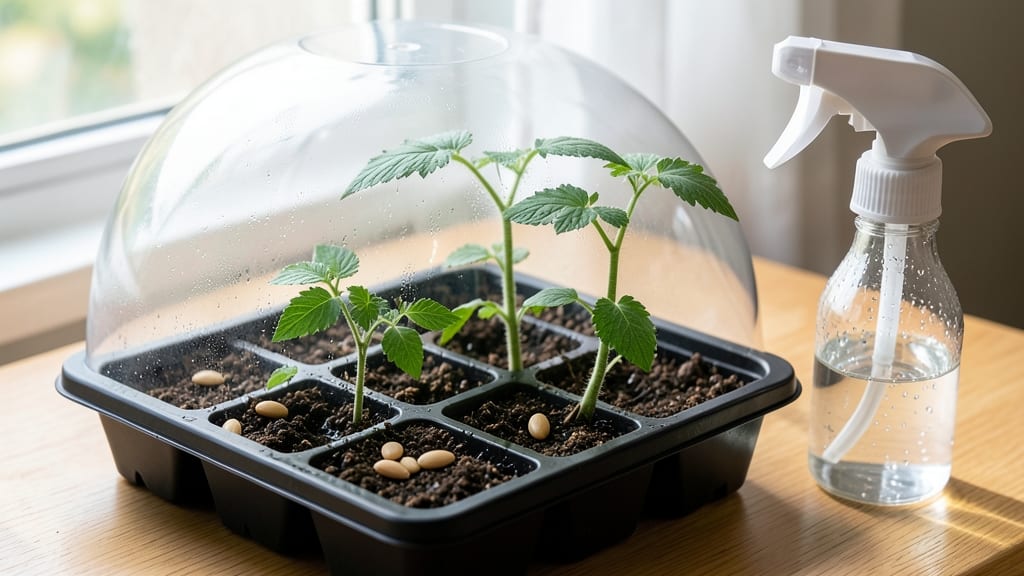
Germinating tomato seeds faster starts with a damp paper towel and a warm spot—this simple trick cuts your wait time from weeks to just days. 🌱 I’ve tried every method, and this one consistently delivers those first green sprouts within 5-7 days, not the usual 10-14.
The secret? Mimicking the warm, moist conditions seeds crave in nature, without overcomplicating it. You’ll need just three things: a handful of paper towels, a plastic bag, and a heat source (like your fridge’s top shelf). No fancy equipment, no guesswork—just patience and a little warmth.
The process is foolproof, even for black thumbs, and you’ll end up with sturdy seedlings ready to transplant in no time. Once those tiny shoots appear, you’ll watch them grow inches in days with proper light and care.
The first true leaves signal it’s time to move them to soil, but that’s where the real magic happens—they’ll outpace store-bought plants by weeks. This method works year-round, whether you’re starting indoors in February or extending your season in late summer. Let’s get those seeds sprouting!
📚 In This Guide
- What you need
- Instructions
- Tips and common mistakes
- Wrapping up and next steps
What you need
- ● Tomato seeds: 10–20 seeds (depending on your goals—more for experiments, fewer for a small garden). Choose heirloom, hybrid, or organic seeds based on your preference.
- ● Seed-starting mix: 1–2 cups of sterile, seed-specific potting soil (avoid garden soil—it’s too dense and may harbor pests). Look for labels like "peat-based" or "coco coir blend."
- ● Containers: Small pots (2–3 inches deep) or
- ● A shallow tray with drainage holes (like a seedling flat) filled with moistened soil.
- ● Watering can or spray bottle: With a fine mist setting to avoid disturbing seeds.
- ● Plastic wrap or humidity dome: A clear plastic bag, ziplock, or store-bought dome to create a mini greenhouse effect.
- ○ Heat source (optional but helpful): A seedling heat mat (set to 70–85°F) or
- ● A warm spot like on top of a fridge or near a sunny window.
- ● Plant labels: Toed labels or popsicle sticks to track seed varieties.
- ● Grow lights: LED or fluorescent lights (12–16 hours/day) if natural light is limited.
- ● Fertilizer: A balanced, water-soluble fertilizer (5-5-5 or 10-10-10) diluted to half-strength for seedlings.
- ● Tweezers: For delicate seed placement (especially tiny heirloom seeds).
Step-by-Step instructions for germinating tomato seeds
Here’s how I guarantee quick, healthy tomato sprouts—no waiting weeks for stubborn seeds.
🌱 Step 1: Soak Seeds Overnight for Faster Germination
Fill a small bowl with lukewarm water and drop in your tomato seeds. Let them soak for 12-24 hours—this softens the outer coating and kickstarts the sprouting process. I like to use a mesh bag or paper towel to keep seeds contained while soaking.
After soaking, gently blot the seeds dry with a paper towel. This prevents rot while keeping them hydrated. You’ll notice the seeds plump up slightly—they’re ready to plant. Skipping this step can delay germination by 3-5 days, especially in cool conditions.
💧 Step 2: Plant Seeds in Warm, Moist Soil
Fill your seed-starting trays with sterile seed-starting mix (never garden soil—it’s too dense). Moisten the mix until it’s damp like a wrung-out sponge, but not soggy. Press it down lightly to remove air pockets, then create small furrows ¼ inch deep—about the width of a pencil.
Place your soaked seeds ½ inch apart in the furrows, spacing them evenly. Cover lightly with a thin layer of soil, just enough to hide the seeds. Mist the surface with water until the soil looks evenly damp. Overwatering now can wash seeds deeper than ideal, slowing germination.
☀️ Step 3: Provide Warmth and Humidity for Speed
Tomato seeds germinate fastest at 75-85°F. I use a seedling heat mat set to 80°F—it’s a game-changer for speed. Place your trays on the mat and cover them with a clear plastic dome or plastic wrap to trap humidity. Check daily for condensation; if the dome fogs up, you’ve got the right moisture level.
Keep the trays in indirect light (like a sunny windowsill with filtered light) until sprouts appear. Direct sunlight now can overheat the soil and dry out the seeds. You’ll see tiny sprouts in 5-7 days—sometimes even faster if conditions are perfect.
⏰ Step 4: Transplant and Harden Off Seedlings
Once seedlings have 2-3 true leaves (not just the first tiny cotyledons), it’s time to transplant. Gently remove them from the tray, being careful not to disturb the roots. Plant each seedling 1 inch deep in its own pot with fresh potting mix, burying the stem up to the first set of leaves.
Place the pots in bright, indirect light for a week while seedlings adjust. After that, gradually introduce them to direct sunlight for 2-3 hours daily, increasing exposure over 10 days. This hardening-off process prepares them for outdoor conditions without shock.
Tips & tricks for speed-sprouting tomato seeds
Took me a while to figure these out, so here goes—these little tricks cut germination time in half and boost success rates.
Soaking Secret: For the 12-24 hour soak in Step 1, use a glass of water instead of a bowl. This lets you monitor seed activity—if you see bubbles forming, that's fermentation starting, which can actually help break down seed coatings faster. Just change the water every 8 hours to prevent bacterial growth.
Temperature Matters: That 75-85°F range in Step 3 is critical, but here's what nobody tells you—if your home stays cooler than 70°F, consider a DIY heat source. I've used a simple incandescent bulb (60W) placed 12 inches above the trays to create a mini greenhouse effect. Just watch for overheating by touching the soil—it should feel warm but not hot.
Lighting Hack: In Step 3, when you're keeping seeds in indirect light, position your trays near a south-facing window if possible. East-facing works too, but west-facing can get too intense. If you don't have good natural light, a basic grow light on a timer (12 hours on/12 hours off) works wonders—just keep it 6-12 inches above the seedlings.
Pro Tips for Germinate Tomato Seeds
- Took me a while to figure these out, so here goes—these little tricks cut germination time in half and boost success rates.
- Soaking Secret: For the 12-24 hour soak in Step 1, use a glass of water instead of a bowl.
- Temperature Matters: That 75-85°F range in Step 3 is critical, but here's what nobody tells you—if your home stays cooler than 70°F, consider a DIY heat source.
Frequently asked questions
Got questions about germinating tomato seeds?
You’re not alone—even seasoned gardeners hit snags! Below are the most common people also ask queries, with quick, actionable answers to help you avoid pitfalls and maximize your success.
What’s the best temperature for germinating tomato seeds?
Tomato seeds thrive between 70–85°F (21–29°C). Use a seedling heat mat (~$15–$25) if your home runs cooler, or place the tray on top of a fridge (the warmest spot!). Avoid direct sunlight—consistent warmth is key. Pro tip: If your seeds sit below 60°F (15°C), they may take 2+ weeks to sprout (or not at all!).
How long does it take for tomato seeds to germinate?
Under ideal conditions (warmth + moisture), expect sprouts in 5–14 days. Heirloom or organic seeds often take longer (up to 21 days). If nothing emerges after 3 weeks, test viability by soaking seeds in water—if they sink, they’re still alive! Speed up germination by pre-soaking seeds for 12–24 hours before planting.
Why aren’t my tomato seeds sprouting?
Common culprits:
- Too cold: Seeds need warmth to activate.
- Not enough moisture: Keep soil damp (not soggy) with a spray bottle.
- Old seeds: Viability drops after 2–4 years.
- Low oxygen: Overcrowding or compacted soil suffocates seeds.
Troubleshoot: Scratch-test a few seeds on sandpaper to check for a hard coat (soak in warm water for 24 hours if needed).
Can I germinate tomato seeds in paper towels?
This paper towel method speeds up germination by 3–5 days:
- Moisten a paper towel, place seeds 1 inch apart, and fold.
- Seal in a ziplock bag (leave a tiny gap for airflow).
- Store in a warm, dark spot (like on top of a fridge).
- Check daily—once sprouts appear (radicle shows), transplant to soil immediately.
Warning: Handle seedlings gently to avoid damaging roots!
Should I use a seedling heat mat or just sunlight?
Sunlight alone isn’t enough—it provides light after germination, not the heat seeds need to sprout. A heat mat ($15–$30) mimics greenhouse conditions, cutting germination time by 50%. For sun-only setups, place trays on a sunny windowsill (south-facing) and use a clear plastic dome to trap warmth. Combine both for best results!
Wrapping up and next steps
Germinating tomato seeds is a rewarding journey that sets the stage for a thriving garden! By following these speed-sprouting secrets—like soaking seeds, maintaining warmth, and providing gentle moisture—you’ll unlock faster, healthier starts.
Whether you’re a seasoned gardener or a curious beginner, every seed you nurture today could blossom into a juicy, homegrown tomato tomorrow. 🌱
Now that you’re armed with the know-how, it’s time to roll up your sleeves and get planting. Grab those seeds, set up your setup, and watch the magic unfold! Happy growing! 🌿