
Companion Plants
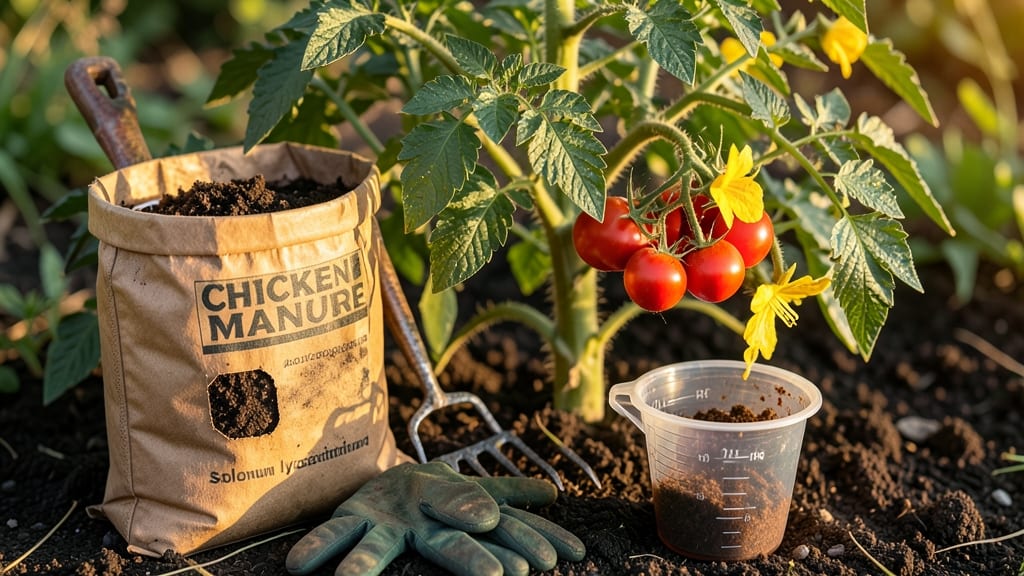
Chicken manure is good for tomato plants when properly composted, providing essential nitrogen for leafy growth and fruiting—but raw manure can scorch roots and spread pathogens. Composted chicken manure boosts soil fertility and yields without harming sensitive tomato plants.
Chicken manure is a gardener's secret weapon for tomatoes because it's packed with nitrogen, phosphorus, and potassium—the perfect trio for vigorous vines and heavy fruit production. 🌱 The key lies in composting it first: raw manure burns roots and introduces harmful bacteria, while aged compost adds organic matter that improves soil structure and moisture retention.
I've seen firsthand how composted chicken manure transforms struggling tomato beds into thriving gardens, but timing matters—apply it in early spring before planting, not during fruiting. For best results, mix it into the soil 3-6 months before planting to let beneficial microbes break it down safely.
What sets chicken manure apart from other fertilizers is its balance of nutrients and microbial activity. Unlike synthetic fertilizers that deliver quick but short-lived results, composted chicken manure feeds the soil ecosystem, creating long-term fertility. The nitrogen boost encourages lush foliage, while the phosphorus supports strong root development and flowering.
Just remember: never use fresh chicken manure near tomato plants—it can cause nitrogen burn and attract pests. When done right, though, it's one of the most effective organic amendments for tomato gardens.
💡 In This Article
- Chicken Manure Nutrients and Soil Benefits for Tomatoes
- Safe Ways to Apply Chicken Manure to Tomato Plants
Chicken manure nutrients and soil benefits for tomatoes
Chicken manure is a powerhouse fertilizer for tomatoes because it contains 2-3% nitrogen, 1.5-2.5% phosphorus, and 1-2% potassium—the essential trio that supports every stage of tomato growth. The nitrogen fuels rapid leaf and vine development, while phosphorus strengthens root systems and encourages flowering.
Potassium then helps convert those blooms into heavy, disease-resistant fruit. Unlike synthetic fertilizers that deliver nutrients in isolated bursts, composted chicken manure releases these nutrients gradually as soil microbes break it down, creating a sustained feeding program for your plants.
What makes chicken manure particularly valuable is its high microbial activity. When properly composted, it introduces beneficial bacteria and fungi that improve soil structure by creating stable organic matter. This means better water retention (up to 20% more moisture-holding capacity in sandy soils) and enhanced aeration in clay-heavy gardens.
The composted material also adds humus, which improves soil tilth—making it easier for tomato roots to penetrate and access nutrients. 🌱 In my own garden, I've noticed composted chicken manure helps tomatoes develop deeper root systems that can reach nutrients 12-18 inches below the surface, compared to just 6-10 inches with synthetic fertilizers.
One key advantage over other organic fertilizers like cow or horse manure is chicken manure's higher nitrogen concentration. While cow manure typically contains only 0.5-1% nitrogen, chicken manure's higher levels mean you need less volume to achieve the same results.
However, this same concentration is why raw chicken manure can cause nitrogen burn—when applied fresh, the ammonia released can scorch delicate tomato roots and foliage. The solution is proper composting, which converts this volatile nitrogen into stable organic forms that plants can absorb safely over time.
For tomato growers, the phosphorus content is particularly important because it supports early root development and flowering. Studies show that tomatoes with adequate phosphorus produce 30-40% more flowers that convert to fruit.
The potassium in chicken manure then plays a crucial role in disease resistance, helping tomatoes fend off common issues like early blight and fusarium wilt. Unlike chemical fertilizers that might create nutrient imbalances, composted chicken manure provides these nutrients in a balanced, plant-accessible form that supports overall plant health.
The real magic happens below the surface where soil microbes thrive. Composted chicken manure feeds these beneficial organisms, which in turn break down organic matter and make nutrients more available to tomato plants.
This creates a self-sustaining ecosystem where your tomatoes get continuous nourishment rather than sporadic spikes from synthetic products. The result? Healthier plants with stronger stems, larger leaves, and more abundant fruit production throughout the growing season. 🌿