
Pests
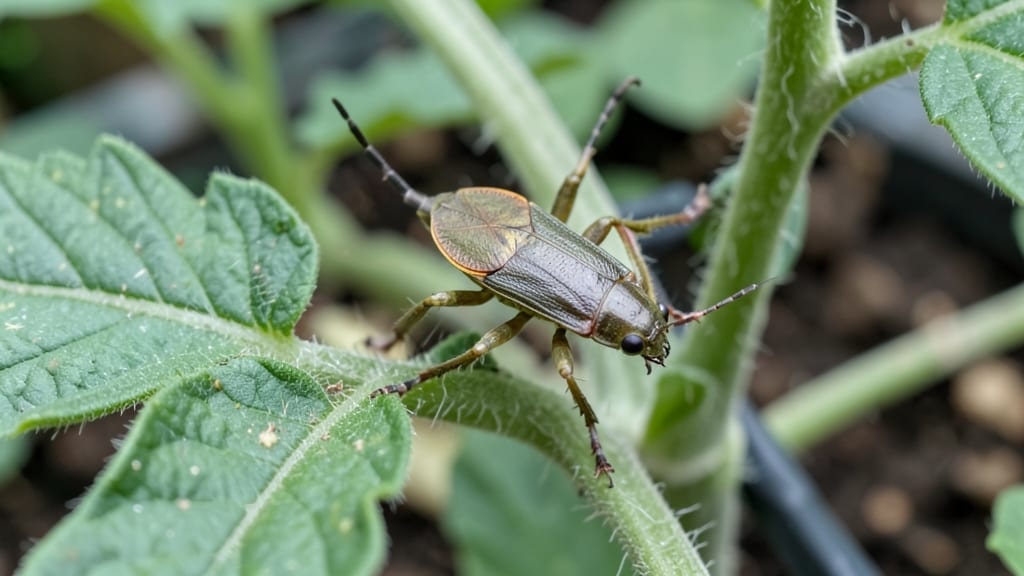
Leaf-footed bugs on tomato plants can turn your harvest from plump and red to speckled and sad in days. 🌱 I’ve seen them strip a perfectly healthy plant bare in just a week—until I learned these fast-acting, natural sprays that stop them dead in their tracks (literally).
The key is acting before the bugs multiply. These tiny brown invaders hide under leaves during the day, so check your plants at dusk when they’re most active.
A simple blend of neem oil, dish soap, and water disrupts their feeding within 24 hours, while introducing beneficial nematodes to the soil cuts their numbers long-term. You’ll see fewer holes in your leaves, less sticky residue on your fruit, and tomatoes that stay firm and flavorful all season.
The best part? These solutions work without harming pollinators or your soil. Works for backyard gardens, raised beds, or even container tomatoes. Here’s how to make it happen—fast.
Root Causes of Tomato Plant Infestations
Leaf-footed bugs (LFB) don’t just randomly appear on your tomato plants—they’re drawn by a mix of environmental cues, plant signals, and even human habits. Understanding why these pests target your garden is the first step to stopping them before they cause damage.
Here’s a breakdown of the key factors that turn your lush tomatoes into a bug buffet.
Tomato plants emit chemical cues that act like dinner bells for leaf-footed bugs. These pests are particularly drawn to:
- Volatile organic compounds (VOCs): When tomato leaves are damaged—even slightly—they release VOCs that signal "easy prey" to LFB. These compounds are like a scent trail, guiding bugs straight to your plants. Pro tip: 💡 Avoid over-fertilizing with nitrogen-heavy feeds, as this can make plants softer and more appealing to pests.
- Sugary sap and ripe fruit: Leaf-footed bugs love the sweet, nutrient-rich sap in tomato stems and the juicy flesh of ripening fruit. A single puncture can drain a tomato of its fluids, leading to blight or deformities.
- Young, tender growth: New leaves and stems are less defended chemically, making them prime targets. LFB nymphs (baby bugs) are especially fond of this succulent tissue.
When tomato plants are stressed—whether from drought, poor soil, or overcrowding—they become weaker and more vulnerable to pests. Here’s how stress invites leaf-footed bugs:
| Stress Factor | How It Attracts LFB |
|---|---|
| 💧 Drought or underwatering | Stressed plants produce less chlorophyll and more VOCs, sending out a "help me" signal to pests. Dry soil also reduces beneficial microbes that might otherwise repel bugs. |
| 🌡️ Extreme heat or cold | Temperature fluctuations weaken plant defenses. LFB thrive in warm weather (75–90°F), and heat-stressed tomatoes become easier targets. |
| 🌱 Overcrowding | Plants competing for space produce thinner leaves and stems, which are easier for LFB to pierce. Poor air circulation also traps humidity, creating ideal conditions for pest activity. |
| ⚠️ Nutrient deficiencies | Plants low in potassium or calcium have thinner cell walls, making them more susceptible to feeding damage. LFB prefer plants that can’t "fight back" chemically. |
Sometimes, the problem isn’t the plants—it’s us. Unintentional gardening practices can turn your tomato patch into a leaf-footed bug magnet:
- 🍄 Mulching with untreated wood chips: Some mulches harbor hidden pests or their eggs. Opt for sterilized or organic mulch (like straw) to reduce risk.
- 🌿 Planting near wild hosts: Leaf-footed bugs love native plants like solanum species (e.g., nightshade) and weeds. If these grow nearby, they’ll spill over to your tomatoes.
- 🛒 Ignoring garden hygiene: Old plant debris, dropped fruit, or uneaten produce left on the ground can harbor LFB eggs over winter. Pro tip: ✨ Clear garden beds thoroughly in fall to break their life cycle.
- 💦 Overhead watering: Wet foliage attracts bugs and spreads their eggs. Drip irrigation keeps leaves dry and deters LFB.
Leaf-footed bugs are opportunistic, and their activity peaks during specific conditions:
- 🌞 Warm, dry spells: LFB thrive in heat (ideal range: 75–90°F). Drought-stressed plants are their favorite snack.
- 🌧️ Sudden rain after drought: Bugs emerge en masse when rain follows dry periods, seeking out newly revived (and vulnerable) plants.
- 🌱 Early planting: Starting tomatoes too soon in warm climates gives LFB a head start. Wait until nighttime temps stay above 55°F to delay infestations.
By addressing these root causes—whether it’s improving plant health, adjusting watering habits, or removing attractants—you’ll make your tomato plants less appealing to leaf-footed bugs naturally. The next step? Discover effective sprays to kick them out for good.
Natural Ways to Stop Tomato Pests
Leaf-footed bugs may seem like a tough challenge, but with the right approach, you can protect your tomato plants without resorting to harsh chemicals. Below are practical, effective solutions tailored to the cause of the infestation—whether it’s early detection, physical removal, or organic treatments.
Plus, we’ll share prevention tips to keep these pests away for good.
---
Before treating the plants, eliminate the source of the problem. Leaf-footed bugs lay eggs on the undersides of leaves and inside fruit, so act fast to break their life cycle.
- 🍅 Check for eggs & nymphs: Inspect leaves, stems, and tomatoes daily.
Eggs look like tiny white rice grains, while nymphs (baby bugs) are flat and wedge-shaped. - 🧹 Scrape off eggs: Use a soft brush or your fingernail to remove them and drop them into soapy water. - 🗑️ Remove damaged fruit: If a tomato has been pierced (a classic leaf-footed bug feeding mark), discard it immediately to prevent further spread.
✨ Pro Tip: Wear gloves—some gardeners report skin irritation from leaf-footed bug secretions!
---
If bugs persist, organic sprays can disrupt their feeding and reproduction. Here are the most effective DIY options:
#### 🍳 Neem Oil Spray (Best for All Stages) Neem oil is a powerful insect growth regulator that stops bugs from maturing and deters adults from laying eggs.
How to Make It: 1. Mix 1 tbsp neem oil + 1 tsp mild liquid soap (as an emulsifier) in 1 quart of water. 2. Stir well and transfer to a spray bottle. 3. Spray thoroughly on both sides of leaves, stems, and fruit—especially where eggs are hidden. 4. Reapply every 5–7 days or after rain.
⚠️ Warning: Avoid spraying in direct sunlight (can burn leaves) or when tomatoes are ripe (neem has a bitter taste).
#### 🔪 Diatomaceous Earth (DE) Dust (Physical Barrier) DE is a non-toxic, fine powder made from fossilized algae that dehydrates bugs on contact.
How to Use It: 1. Apply a thin layer of food-grade DE to leaf undersides, soil around plants, and plant stems. 2. Reapply after rain or watering (it loses effectiveness when wet). 3. Best for dry conditions—avoid windy days to prevent drift.
💡 Pro Tip: Mix DE with kaolin clay (1:1 ratio) for extra protection against both bugs and fungal diseases.
#### 🥘 Garlic & Chili Pepper Spray (Repellent Boost) A hot, spicy spray can repel leaf-footed bugs and make your plants less appealing.
Recipe: - Blend 4 garlic cloves + 1 tbsp cayenne pepper + 1 quart of water. - Strain, add 1 tsp dish soap, and spray on plants. - Reapply every 3–4 days (especially after rain).
🌡️ Best for: Early infestations—works well as a preventive measure before bugs get established.
---
Sometimes, keeping bugs off plants is the easiest solution.
#### 🪟 Row Covers & Netting - Use fine mesh netting (1mm or smaller) to physically block bugs from reaching plants. - Secure tightly around tomato cages or stakes. - Remove covers when flowers appear to allow pollination, but reapply after fruit sets.
#### 🍎 Yellow Sticky Traps - Place yellow sticky cards near tomato plants to catch adult bugs before they lay eggs. - Check traps daily and replace when saturated.
---
Once you’ve eliminated the current infestation, keep leaf-footed bugs away with these proactive steps:
- 🌿 Plant companion crops: Basil, marigolds, and nasturtiums repel leaf-footed bugs naturally. - 🕳️ Mulch properly: Use straw or grass clippings (not wood chips) to reduce hiding spots for eggs. - 💦 Water in the morning: Wet leaves dry faster, discouraging egg-laying. - 🌱 Rotate crops: Avoid planting tomatoes in the same spot yearly—bugs overwinter in soil. - 🐝 Encourage beneficial insects: Assassin bugs, parasitic wasps, and lacewings prey on leaf-footed bugs.
Plant dill, fennel, or yarrow to attract them.
---
| Infestation Level | Recommended Action | Frequency | |-----------------------|------------------------|---------------| | Few bugs (1–3 seen) | Handpick + neem spray | Every 5–7 days | | Moderate (nymphs present) | DE dust + garlic spray | Every 3–4 days | | Severe (many eggs/fruit damage) | Row covers + sticky traps | Daily checks + weekly sprays | | Prevention (no signs yet) | Companion planting + row covers | Season-long |
--- Final Thought: Consistency is key—leaf-footed bugs multiply fast, so act at the first sign of trouble. With these natural, garden-safe methods, you’ll protect your tomatoes without chemicals while keeping your harvest safe and delicious! 🍅💚
Frequently asked questions
How do I tell if my tomato plants have leaf-footed bugs?
Look for tiny brown bugs with flat bodies and leaf-like hind legs hiding under leaves. You’ll also see small, white eggs (like rice grains) on leaf undersides and tiny puncture marks on fruit or leaves where they feed. Check plants at dusk when bugs are most active.
Can leaf-footed bugs harm my tomato fruit?
Yes! These bugs inject toxins that cause blackened, shriveled spots on tomatoes and can lead to blight or deformities. They also drain sap, making fruit less flavorful. Remove damaged fruit immediately to prevent further spread.
Will neem oil really stop leaf-footed bugs?
Neem oil disrupts their feeding and reproduction. Mix 1 tbsp neem oil + 1 tsp soap in 1 quart water and spray both sides of leaves. Reapply every 5–7 days or after rain. Just avoid spraying in direct sunlight or on ripe tomatoes.
What’s the fastest way to get rid of leaf-footed bugs?
Combine handpicking adults (drop them in soapy water) with diatomaceous earth on leaf undersides. For severe cases, use row covers to physically block bugs. Act within 48 hours—these pests multiply quickly!
Can I use garlic spray to prevent leaf-footed bugs?
Yes! Blend 4 garlic cloves + 1 tbsp cayenne + 1 quart water, strain, add 1 tsp soap, and spray plants. Reapply every 3–4 days. It repels bugs with its strong scent and works well as a preventive measure before infestations start.