
Plants
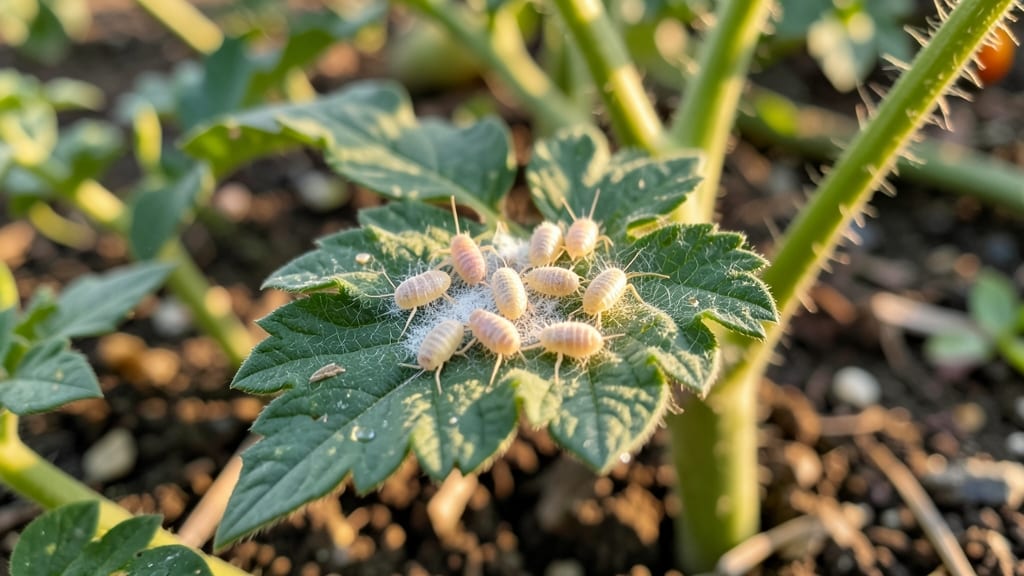
Mealybugs on tomato plants can turn your harvest into a cottony nightmare—unless you act fast. 🌱 I’ve battled these white, fluffy pests for years, and neem oil isn’t just another remedy; it’s the 24-hour game-changer that stops them in their tracks without harming your plants or the environment.
The key? Timing, concentration, and a follow-up routine that keeps them from creeping back. Most gardeners grab the first spray they see, but mealybugs hide in leaf crevices and under fruit.
That’s why I developed a two-step neem oil method—one that smothers visible bugs and disrupts their life cycle before eggs hatch. You’ll see results within a day, but the real win is preventing a full-blown infestation that could ruin your season.
No more wilting leaves or sticky honeydew ruining your tomatoes. What you’ll end up with is a clean, thriving tomato plant—no more cottony webs, no more stunted growth. The neem oil leaves behind a protective barrier that pests avoid, and your plants keep producing like nothing happened.
Plus, it’s safe for beneficial insects, so your garden’s ecosystem stays balanced. Works for all tomato varieties, from cherry to heirloom, and even saves other plants like peppers and eggplants if mealybugs spread. Here’s exactly how to make the spray and apply it for maximum impact—no guesswork, just results.
Root Causes of Mealybug Infestations
Mealybugs may seem like a sudden nuisance, but they rarely appear out of nowhere. These tiny, cottony pests thrive due to a mix of environmental, biological, and even human factors. Understanding why they target your tomato plants is the first step to stopping them before they spread.
Let’s break down the key reasons these sap-sucking insects show up in your garden.
Mealybugs are tropical creatures at heart—they love warmth and humidity. While they can survive in many climates, they multiply rapidly when conditions mimic their natural habitat. Here’s why your tomato plants might be creating the perfect mealybug paradise:
- Stagnant air: Dense foliage or crowded plants trap heat and moisture, creating a warm, humid microclimate. Mealybugs thrive in these pockets, especially in greenhouses or shaded areas where airflow is poor.
- Poor ventilation: If your garden lacks circulation (e.g., no fans, tight spacing, or thick mulch), excess moisture lingers on leaves, encouraging mealybugs to settle in.
- Seasonal spikes: Summers or regions with high humidity (like the Southeast U.S.) see more outbreaks because mealybugs reproduce faster in warm, damp conditions.
Actionable fix: Improve airflow with pruning, spacing plants 18–24 inches apart, or using oscillating fans. In greenhouses, open vents or use dehumidifiers to keep humidity below 60%.
Healthy tomato plants are naturally resistant to pests, but stress makes them irresistible to mealybugs. These pests target plants that are already struggling, as their weakened defenses make it easier to feed and reproduce. Common stressors include:
- Overwatering or underwatering: Mealybugs adore plants with inconsistent moisture levels. Overwatered soil leads to root rot and fungal growth, while drought-stressed plants have less energy to fight off invaders.
- Nutrient deficiencies: Plants low in phosphorus or potassium (key for root and leaf health) become more susceptible. Yellowing leaves or stunted growth are red flags.
- Physical damage: Pruning wounds, hail, or insect bites create entry points for mealybugs. They also release plant sugars, which attract more pests.
- Disease pressure: Fungal or bacterial infections (like early blight) weaken plants, making them easier targets for mealybugs.
Actionable fix: Keep soil consistently moist (but not soggy) and fertilize with a balanced 10-10-10 or 5-10-10 formula. Test soil pH (aim for 6.0–6.8) and avoid over-fertilizing with nitrogen.
Mealybugs don’t always start on your tomato plants—they hitchhike. These pests spread via:
- Infested nursery plants: Buying contaminated seedlings is a top way mealybugs enter gardens. Always inspect new plants under leaves and stems before transplanting.
- Nearby infected plants: Mealybugs love citrus, hibiscus, poinsettias, and other succulents. If these grow nearby, they can crawl or fly (via winged males) to your tomatoes.
- Gardening tools and hands: Pruners, gloves, or even your shoes can transfer mealybugs from one plant to another. Always sterilize tools with rubbing alcohol.
- Wildlife vectors: Ants, lady beetles, and even birds can unknowingly spread mealybugs. Ants, in particular, farm mealybugs for their honeydew, protecting them from predators.
Actionable fix: Quarantine new plants for 2 weeks, inspect neighboring plants for cottony clusters, and avoid overwatering nearby weeds (which can harbor pests). Use double-sided tape on stakes to trap crawling insects.
Mealybugs excrete honeydew, a sugary waste product that does double damage:
- Encourages sooty mold: Fungal spores land on honeydew, creating a black, crusty mold that blocks sunlight and weakens plants.
- Draws ants and other pests: Ants love honeydew and will protect mealybugs in exchange for food, making infestations harder to control.
- Creates a feedback loop: More honeydew = more ants = more mealybugs = more honeydew.
Actionable fix: Disrupt the cycle by removing ants with diatomaceous earth or sticky traps. Wipe honeydew off leaves with a damp cloth to prevent mold and further infestations.
Next up: Learn how to identify mealybugs early and spot the subtle signs they’ve already moved in.
How to Fix Mealybug Infestations Fast
Mealybugs may seem like a stubborn pest, but with the right approach, you can tackle them effectively and protect your tomato plants—without resorting to harsh chemicals. Below are targeted solutions based on the root causes (weak plants, poor hygiene, or environmental stress) and prevention tips to keep your garden mealybug-free.
---
Mealybugs multiply quickly, so act fast when you spot them. Start with manual removal to weaken their numbers before applying stronger treatments.
#### 🍳 Manual Removal: The First Line of Defense 1. Inspect daily – Check leaves, stems, and fruit clusters for cottony white clusters (mealybugs) or sticky residue (honeydew).
2. Wipe them off – Use a damp cloth, cotton swab dipped in rubbing alcohol (70% isopropyl), or your fingers (wash hands after!). 3. Drop them in soapy water – Never toss them back on the plant; they’ll just reinfest.
✨ Pro Tip: Focus on new growth areas and undersides of leaves—these are their favorite hiding spots!
---
If mealybugs persist, neem oil (the star of this article!) and soapy water are your best allies. These disrupt their life cycle without harming your plants.
#### 🥘 Homemade Neem Oil Spray (Fast-Acting) Ingredients: - 1 tbsp neem oil (cold-pressed) - 1 tsp mild liquid soap (or castile soap) - 1 quart warm water - 1 tsp honey or sugar (optional, to attract beneficial insects later)
Steps: 1. Mix neem oil + soap in warm water (soapy water helps the oil stick). 2. Shake well before each use (neem oil separates). 3. Spray thoroughly (top and bottom of leaves, stems, and fruit) every 5–7 days until mealybugs disappear. 4. Reapply after rain—neem washes off easily.
⏰ How Soon Will It Work? - 24–48 hours: Mealybugs stop feeding. - 3–5 days: Eggs hatch but die. - 1–2 weeks: Full infestation control (if applied consistently).
💡 Pro Tip: Spray early morning or late evening to avoid burning leaves in direct sunlight.
---
Introduce mealybug predators to create a long-term balance in your garden.
| Predator | How to Attract/Use | Best For | |-----------------------|-----------------------------------------------|-------------------------------| | Ladybugs | Buy from garden centers or plant dill, fennel, or marigolds to attract them. | All life stages of mealybugs. | | Parasitic Wasps | Release Encarsia formosa (sold online). | Heavy infestations (safe for edibles). | | Lacewings | Plant cosmos, sweet alyssum, or dandelions to lure them. | Larvae eat mealybugs voraciously. |
🌡️ Pro Tip: Avoid pesticides—they kill beneficial insects too! Stick to neem, soap, or manual removal.
---
An ounce of prevention saves a pound of cure! Follow these easy habits to make your tomato plants mealybug-proof.
#### 🌱 Strengthen Your Plants - Water deeply but less often (mealybugs love stressed plants). - Prune for airflow (crowded foliage traps humidity, their favorite environment). - Fertilize balanced (too much nitrogen = weak stems = easy mealybug buffet).
#### 🧼 Maintain Garden Hygiene - Remove fallen leaves/debris (mealybugs hide in organic matter). - Quarantine new plants (inspect before adding to your garden). - Clean tools (sterilize pruners with rubbing alcohol to avoid spreading pests).
#### 🌿 Companion Planting - Plant basil, garlic, or chives near tomatoes—their scents repel mealybugs. - Avoid planting near hibiscus or oleander (mealybug magnets!).
--- Final Reminder: Consistency is key! Mealybugs may take 1–2 weeks to fully disappear, but with neem oil + manual checks + prevention, your tomato plants will stay healthy and productive. 🍅💪
Frequently asked questions
What do mealybugs on tomato plants look like?
Mealybugs appear as small, cottony white clusters (about 1/16-inch) on leaves, stems, and fruit. They resemble tiny tufts of cotton or wax, often hiding in leaf crevices or under fruit. Look for sticky residue (honeydew) on lower leaves—this is their telltale sign!
Can I eat tomatoes with mealybugs?
Yes, but remove visible bugs first! Mealybugs don’t make tomatoes toxic, but they leave a nasty taste and sticky residue. Wash thoroughly with soapy water and inspect fruit before eating. Heavy infestations may require discarding affected tomatoes to prevent reinfestation.
Why does my neem oil spray stop working after a few days?
Neem oil breaks down quickly in sunlight and rain. Reapply every 5–7 days or after heavy rain. For stubborn cases, add 1 tsp of dish soap to help the oil adhere better. Also, ensure you’re spraying undersides of leaves where mealybugs hide!
Are mealybugs harmful to other garden plants?
They love citrus, hibiscus, peppers, and succulents. Mealybugs spread easily via wind, ants, or gardening tools. Isolate infested plants immediately and treat nearby crops to prevent a garden-wide outbreak. Companion plants like basil or marigolds can help repel them.
How do I know if mealybugs are gone for good?
Check for 3 weeks with a magnifying glass—no cottony clusters or honeydew means success! Inspect new growth areas and undersides of leaves. If you spot even one bug, reapply neem oil or repeat manual removal. Prevention (like pruning and airflow) keeps them away long-term.