
Companion Plants
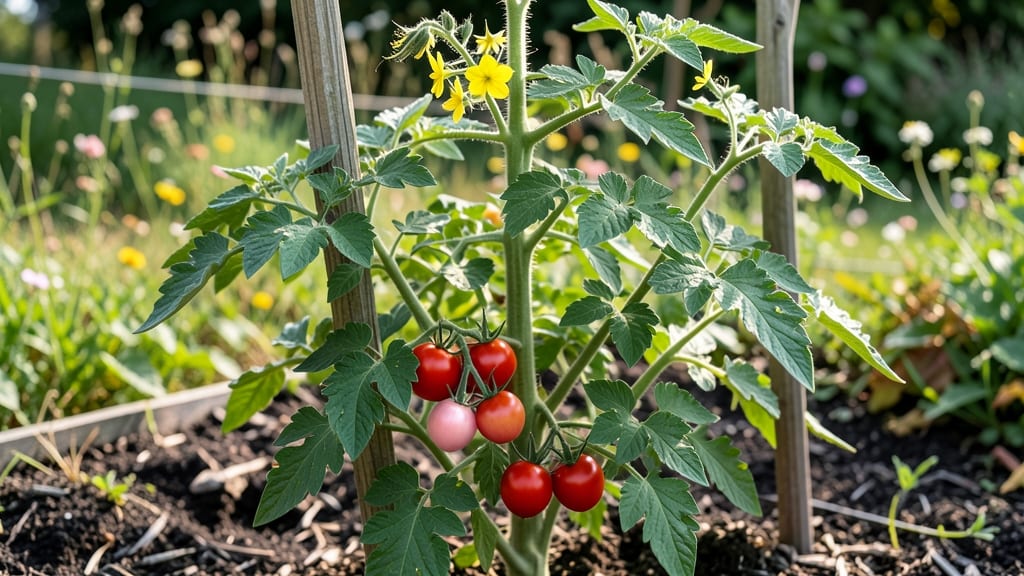
Moneymaker tomato plants deliver 10 pounds of juicy red tomatoes per plant—that’s the kind of harvest that makes neighbors ask for cuttings. 🌱 I grew my first batch last summer, and what started as two plants turned into enough tomatoes to feed my family for months, with extras to share.
The secret isn’t luck; it’s matching their needs to the right conditions. These beefsteak tomatoes thrive in full sun (6-8 hours daily) and rich, well-draining soil with a pH between 6.0 and 6.8.
Plant them after the last frost when soil reaches 60°F, spacing them 3-4 feet apart to give their vines room to sprawl. Stake or cage them early—they grow fast, and without support, those heavy fruits can snap stems.
By midsummer, you’ll see glossy green leaves and clusters of bright red tomatoes the size of softballs. Prune suckers regularly to focus energy on fruit production, and water deeply at the base (not overhead) to prevent disease. The payoff?
A harvest that lasts from July through frost, with tomatoes so flavorful they taste like summer in every bite. Works in containers (5-gallon pots) or in-ground beds, and handles heat better than many varieties. Here’s how to keep them productive all season—no greenhouses required.
📚 In This Guide
- What you need
- Instructions
- Tips and common mistakes
- Wrapping up and next steps
What you need
- ● Moneymaker tomato seeds or seedlings: 2–4 plants (depending on space). Opt for certified organic or heirloom seeds for the best flavor.
- ● Well-draining potting mix or garden soil: 50 lbs (for in-ground) or a high-quality tomato-specific mix (for containers).
- ○ Containers (optional but helpful): 5-gallon pots or fabric grow bags (if not planting in-ground). Ensure they have drainage holes!
- ● Compost or organic fertilizer: Balanced 10-10-10 or tomato-specific fertilizer (like fish emulsion or worm castings).
- ● Stakes or cages: 6–8 ft tall (Moneymakers grow big!). Use bamboo stakes, tomato cages, or sturdy wire supports.
- ● Mulch: Straw, grass clippings, or shredded leaves to retain moisture and suppress weeds.
- ● Garden trowel or transplanting spade for digging holes.
- ● Watering can or hose with a gentle spray nozzle (Moneymakers love consistent moisture!).
- ● Pruning shears to trim suckers and encourage bushier growth.
- ○ pH testing kit (optional but recommended)—ideal soil pH for tomatoes is 6.0–6.8.
- ● Glove (to protect your hands from thorns and soil).
- ● Sunlight: At least 6–8 hours of full sun daily—Moneymakers are sun-worshippers!
- ● Warmth: Soil temperature should be at least 60°F (15°C) before planting.
- ● Space: 18–24 inches between plants (or rows) for proper airflow and growth.
- ● Patience: Moneymakers take 70–85 days to mature—plan ahead for a bountiful harvest!
Step-by-Step guide to growing Moneymaker tomatoes for maximum yield
This classic beefsteak variety thrives with the right approach—here’s how to coax those signature 12-ounce fruits from your plants.
🌱 Step 1: Start Seeds Indoors 6-8 Weeks Before Last Frost
Fill 2-3 inch deep seedling trays with a sterile seed-starting mix and press it down lightly to eliminate air pockets. Plant 2-3 seeds per cell at a depth of ¼ inch—any deeper and they’ll struggle to break through. I like to use biodegradable pots so I can transplant without disturbing roots later.
Cover the tray with a clear plastic dome or plastic wrap to retain warmth and moisture. Place it in a warm spot (around 75-85°F) until germination, which typically occurs in 7-14 days. The moment you see sprouts, remove the cover immediately—condensation under it invites damping-off disease, which can wipe out seedlings overnight.
☀️ Step 2: Provide 14-16 Hours of Light Daily
Moneymakers need strong, consistent light to prevent leggy growth. Position seedlings under a full-spectrum LED grow light within 2-4 inches of the plants. You’ll notice strong seedlings have thick stems and deep green leaves spaced closely together—anything pale or stretched needs more light.
Rotate the tray a quarter turn daily so plants grow evenly toward the light. Without this, seedlings will lean dramatically, making them weak and prone to breakage. After 4-6 weeks, when seedlings have 3-4 true leaves, it’s time to transplant them into larger containers.
🪴 Step 3: Transplant to 5-Gallon Containers or Garden Beds
Moneymakers are heavy feeders, so they need 5-gallon containers or deep garden beds with well-draining soil amended with compost or aged manure. Dig a hole twice as wide as the root ball and place the seedling in, ensuring the soil line on the stem sits just below the container’s rim.
Water deeply right after transplanting to settle the soil and eliminate air pockets. Space plants 2-3 feet apart in the garden or stagger them in containers to maximize air circulation. This prevents fungal diseases like early blight, which can devastate Moneymakers if conditions get too humid.
💧 Step 4: Water Deeply and Feed Weekly
Moneymakers need 1-2 inches of water weekly, delivered at the base of the plant to avoid wetting leaves. I water in the morning so foliage dries quickly, reducing the risk of fungal diseases. Let the top 2 inches of soil dry out between waterings
Start fertilizing with a balanced 10-10-10 or tomato-specific formula when flowers appear. Switch to a low-nitrogen, high-phosphorus feed (like 5-10-10) once fruit sets to encourage sweeter, larger tomatoes. Over-fertilizing with nitrogen now will produce more leaves than fruit—something you definitely don’t want with Moneymakers. Moneymakers produce 12-ounce tomatoes, so they need sturdy cages or stakes to support their weight. Prune suckers (the small shoots in the leaf axils) regularly to redirect energy into fruit production. I leave 2-3 main stems and remove any growth below the first flower cluster—this improves airflow and reduces disease risk. When tomatoes reach 1-2 inches in diameter, thin the cluster to 3-5 fruits per stem. Overcrowded fruit leads to smaller, unevenly ripened tomatoes. Here’s the thing—Moneymakers are sensitive to overpruning, so balance is key. Too little, and you’ll have a mess of green tomatoes; too much, and you’ll sacrifice yield.✂️ Step 5: Prune and Support for Heavy Fruit Loads
Tips & tricks for growing Moneymaker tomatoes
These battle-tested strategies will help you coax those legendary 12-ounce fruits from your Moneymaker plants.
Germination Temperature: The 75-85°F range is critical for consistent germination. I've found that using a seedling heat mat (set to 80°F) eliminates temperature fluctuations that can delay sprouting. Place your tray on this mat under the grow light—it creates the perfect environment for those first tiny leaves to emerge within 7-14 days. The moment you see sprouts, remove the cover immediately to prevent damping-off disease, which can turn your healthy seedlings into sad, mushy casualties overnight.
Light Rotation Strategy: That quarter-turn daily rotation in Step 2 isn't just about looks—it's about survival. Without rotating, seedlings will stretch dramatically toward the light source, creating weak stems that snap easily when you transplant. I set a phone reminder for 4 PM daily to rotate my trays. You'll notice the difference immediately: strong, stocky seedlings with deep green leaves spaced evenly rather than lanky plants with pale, stretched growth.
Transplanting Technique: The hole should be twice as wide as the root ball, but here's the secret: loosen the soil walls with your fingers before placing the seedling in. This creates immediate root contact with the surrounding soil, preventing transplant shock. After planting, press the soil gently around the base—this eliminates air pockets that can strangle new roots. Water deeply right after transplanting to settle the soil and eliminate any remaining air gaps.
Fertilizer Transition: Switching to that low-nitrogen, high-phosphorus feed (5-10-10) when fruit sets is crucial, but timing matters. I start the transition when the first flowers appear, not when fruit forms. This gives the plant time to adjust its energy focus from leaf production to fruit development. Too much nitrogen at this stage will give you a bushy plant with tiny tomatoes—exactly what we're trying to avoid with Moneymakers.
Pro Tips for Moneymaker Tomato Plants
- These battle-tested strategies will help you coax those legendary 12-ounce fruits from your Moneymaker plants.
- Germination Temperature: The 75-85°F range is critical for consistent germination.
- Light Rotation Strategy: That quarter-turn daily rotation in Step 2 isn't just about looks—it's about survival.
Frequently asked questions
Got questions about growing Moneymaker tomato plants? You’re not alone! Here are answers to the most common ones—so you can grow like a pro and enjoy those juicy, red tomatoes all season.
When is the best time to plant Moneymaker tomatoes?
Plant Moneymaker tomato seeds indoors 6–8 weeks before your last frost date (early spring) or transplant seedlings outdoors after soil reaches 60°F (15°C) and nighttime temps stay above 50°F (10°C). In warm climates, you can direct-sow in early spring or even late summer for a fall harvest!
How much space do Moneymaker tomato plants need?
These vining beauties need 3–4 feet of space between plants (or rows) to sprawl comfortably. If growing in containers, choose pots at least 5 gallons with sturdy stakes or cages. Crowding leads to poor air circulation, increasing disease risk—so give them room to shine!
Why aren’t my Moneymaker tomatoes ripening?
Blame cool nights, lack of sunlight, or overwatering. Moneymakers thrive in full sun (6+ hours/day) and warm temps (70–85°F). Try mulching to keep roots warm, prune suckers to focus energy on fruit, and water deeply at the base (not overhead) to avoid blossom-end rot.
Can I grow Moneymaker tomatoes in containers?
Just use large containers (5+ gallons) with drainage holes, fill with nutrient-rich potting mix, and provide support stakes or trellises. Avoid small pots—they dry out fast and stunt growth. Bonus: Container gardening makes harvesting easier and deters pests like slugs!
What companion plants work best with Moneymaker tomatoes?
Pair them with basil, marigolds, onions, or lettuce to repel pests and improve flavor. Avoid planting near corn, fennel, or brinjals (eggplants), as they compete for nutrients or attract harmful insects. A happy garden = happy tomatoes!
Wrapping up and next steps
Growing Moneymaker tomato plants is a rewarding journey that delivers delicious, high-yield red tomatoes with minimal fuss—once you’ve mastered the basics!
Whether you’re a seasoned gardener or a beginner, these robust plants thrive with the right care, and the payoff is juicy, flavorful tomatoes that’ll make your neighbors green with envy. 🌱
Ready to take the next step? Start by planting your seeds or seedlings this season, and soon you’ll be harvesting tomatoes like a pro. Happy growing—and enjoy those homegrown feasts! 🍅✨