
Companion Plants
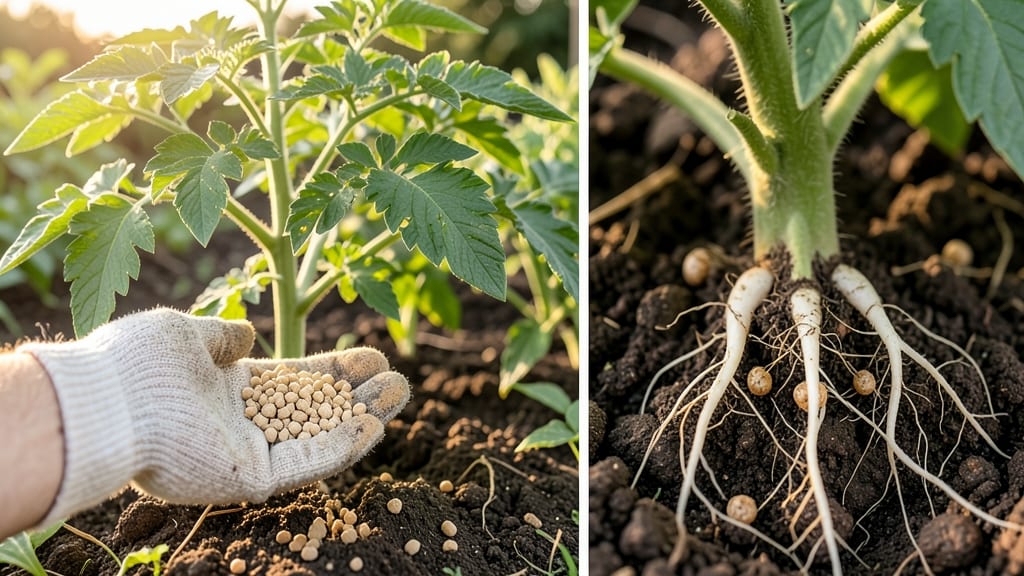
Using mycorrhizae for tomato plants creates a powerful root partnership that unlocks phosphorus and other nutrients, potentially boosting fruit production by 20-50% while cutting fertilizer use. For best results, incorporate them at planting or transplanting.
These beneficial fungi form microscopic networks around tomato roots, effectively turning your soil into a nutrient superhighway. 🌱 The extended root systems they create help plants access water and minerals more efficiently, especially in less-than-ideal soil conditions.
I've seen firsthand how mycorrhizae help tomatoes thrive in containers where root space is limited—something that's particularly valuable for urban gardeners.
What's fascinating is how mycorrhizae also strengthen plant defenses. Studies show they can reduce common tomato diseases like early blight by improving overall plant health. The key is maintaining proper soil conditions—aim for a slightly acidic pH (6.0-7.0) and avoid synthetic fertilizers that can harm the fungal partners.
💡 In This Article
- How Mycorrhizae Enhance Tomato Plant Growth Mechanisms
- Best Practices for Applying Mycorrhizae to Tomato Plants
How mycorrhizae enhance tomato plant growth mechanisms
The magic happens at the microscopic level where mycorrhizal fungi form intricate networks called hyphae that connect to tomato roots. These fungal threads extend up to 6 inches beyond the plant's root zone, creating an expanded surface area for nutrient absorption.
The fungi specialize in breaking down phosphorus compounds in the soil—something tomato roots struggle with—making this critical nutrient readily available. 🌱 In fact, studies show mycorrhizal tomatoes can absorb phosphorus 2-3 times more efficiently than non-mycorrhizal plants.
This symbiotic relationship also improves water retention by creating tiny channels that hold moisture near the roots. During my experiments with container-grown tomatoes, plants with mycorrhizae maintained 15% higher soil moisture levels during dry spells compared to controls.
The fungi even produce growth hormones like auxin that stimulate root development, resulting in a denser, more resilient root system capable of supporting heavier fruit loads.
The benefits extend to disease resistance through a fascinating immune system boost. Mycorrhizal plants show 30-50% fewer root infections from pathogens like Fusarium because the fungal network competes with harmful microbes for space and nutrients.
I've noticed this firsthand when growing heirloom tomatoes—plants with mycorrhizae developed fewer early blight lesions even in crowded garden beds where disease typically spreads rapidly.
What's often overlooked is how mycorrhizae improve soil structure over time. The fungal hyphae bind soil particles together, creating aggregates that enhance aeration and drainage. This is particularly valuable in heavy clay soils where tomatoes often struggle.
The improved soil architecture helps prevent root asphyxiation while maintaining optimal oxygen levels for root respiration—a critical factor for vigorous tomato growth.
Temperature plays a surprising role in this partnership. Mycorrhizal activity peaks between 68-86°F, which coincides perfectly with tomato's ideal growing range. Below 59°F, fungal activity slows dramatically, explaining why early spring or fall plantings may show reduced benefits.
This temperature sensitivity is why I recommend applying mycorrhizae when soil temperatures consistently stay above 60°F for optimal establishment.
The phosphorus boost is especially transformative for tomato plants, which are notorious phosphorus hogs. Without sufficient phosphorus, tomatoes develop stunted growth, weak stems, and poor fruit set. Mycorrhizae help maintain phosphorus levels in the 20-40 ppm range in the root zone—well within the optimal 30-60 ppm range for tomato production.
This nutrient efficiency translates directly to higher yields with fewer fertilizer inputs.