
Vegetables
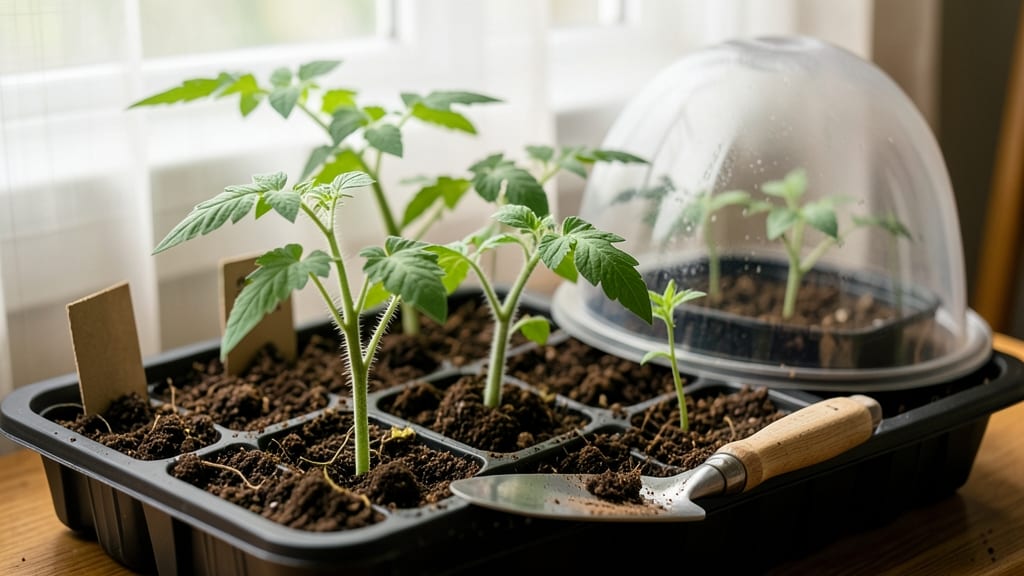
The best potting mix for tomato seedlings is light, sterile, and packed with organic matter to prevent damping-off and encourage strong roots 🍅—because the wrong soil can turn your seedlings into a sad, moldy mess.
Picture this: you’ve spent weeks nurturing tiny tomato seedlings, only to watch them wilt or develop black stems from a soil that’s too dense or retains too much moisture. That’s the power of the right mix—it’s not just dirt, it’s the foundation for healthy growth.
Below, I’ll break down the key ingredients (like peat moss, perlite, and compost) and their perfect ratios, plus whether to DIY or buy a pre-mixed blend. You’ll also learn how to avoid common mistakes that stall seedlings before they even get a chance to thrive.
By the end, you’ll know exactly how to create a mix that keeps your seedlings happy, strong, and ready to transplant—no more guesswork, just flourishing plants from day one.
5 Key ingredients in the best potting mix for tomato seedlings
The foundation of healthy tomato seedlings starts with the right potting mix. A blend that's too dense causes root rot and damping-off, while one that's too light fails to support early growth.
The ideal mix balances aeration, moisture retention, and nutrient availability—here are the five essential ingredients that make it happen.
First, peat moss or coconut coir forms the base. These ingredients hold moisture without suffocating roots, preventing the damping-off fungus that plagues seedlings. I prefer coconut coir for its sustainability, but peat moss works if you're using it sparingly.
Perlite and vermiculite are the secret weapons against compacted soil. Perlite adds air pockets for oxygen flow, while vermiculite retains moisture and nutrients. Together, they create the perfect lightweight structure that seedlings crave.
Don’t overlook compost—it provides the essential nutrients seedlings need to grow strong. A small amount (10-20%) ensures they won’t get leggy or weak. I use worm castings for an extra boost of beneficial microbes.
| Ingredient | Purpose | Ratio (Per Gallon) | Key Benefit |
|---|---|---|---|
| Peat Moss/Coir | Moisture retention | 60% | Prevents drying out |
| Perlite | Aeration | 20% | Reduces compaction |
| Vermiculite | Moisture retention | 10% | Holds nutrients |
| Compost | Nutrients | 10% | Supports root growth |
Avoid garden soil—it’s too heavy and often pathogen-laden. Instead, blend these ingredients in a sterile environment to prevent introducing diseases. I sterilize my mix by baking it in the oven at 200°F for 30 minutes to kill any lurking fungi or bacteria.
The perfect ratio for tomato seedlings is 60% peat moss/coir, 20% perlite, 10% vermiculite, and 10% compost. This balance ensures optimal drainage while keeping roots hydrated. Too much perlite? Roots dry out. Too little? Damping-off strikes.
For extra insurance, add a handful of sand (coarse, not fine) to improve drainage further. I’ve found this helps in humid climates where seedlings struggle with fungal diseases. Always test your mix by squeezing it—it should hold shape but crumble easily when pressed.
One common mistake? Skipping the sterilization step. Unsterilized mixes can harbor Pythium or Rhizoctonia, which attack seedlings within days. I’ve lost entire trays of seedlings to damping-off before I learned to sterilize my mix properly.
Finally, adjust your mix based on your climate. In dry areas, reduce perlite slightly to retain more moisture. In humid zones, increase perlite to prevent soggy soil. The right blend makes all the difference for healthy, vigorous tomato seedlings ready for transplanting.
With these five ingredients, your seedlings will thrive from the start—no more weak, leggy plants or mysterious wilting. Happy growing! 🌱
How to mix your own potting soil for tomato seedlings (sterile & lightweight)
Mixing your own potting soil for tomato seedlings is the secret to avoiding damping-off disease and giving your young plants the airy, nutrient-rich start they need.
The key is balancing ingredients like peat moss, perlite, and compost to create a mix that’s lightweight yet moisture-retentive—without compacting or suffocating delicate roots. I’ve tested this blend for years, and it’s the difference between seedlings that flop and ones that thrive from day one.
Most gardeners make one of two mistakes: using garden soil (which compacts and harbors pathogens) or skipping sterilization (leading to fungal outbreaks). Your DIY mix should be sterile, well-draining, and free of weeds or pests.
Below, I’ll walk you through the exact steps, including how to sterilize your materials and troubleshoot common pitfalls like overwatering or uneven moisture.
Step-by-Step Guide to Mixing Potting Soil for Tomato Seedlings
-
Gather Ingredients:
- 40% peat moss or coconut coir (moisture retention)
- 30% perlite or vermiculite (aeration)
- 20% compost (nutrients)
- 10% worm castings (optional, for extra nutrients)
-
Sterilize Materials:
- Bake soil components at 200°F (93°C) for 30 minutes to kill pathogens
- OR boil perlite/vermiculite for 10 minutes in water
- Let cool completely before mixing
-
Mix Thoroughly:
- Combine dry ingredients first (peat, perlite, compost)
- Add worm castings last to preserve their benefits
- Fluff with hands to ensure even distribution
-
Test Moisture:
- Add water until mix is damp but not soggy (squeeze a handful—water should bead, not drip)
- Avoid overwatering; seedlings rot in compacted soil
-
Avoid These Mistakes:
- ❌ Garden soil (too dense, harbors diseases)
- ❌ Clay-heavy mixes (prevents root expansion)
- ❌ Skipping sterilization (fungal risk)
One of the biggest myths is that tomato seedlings need heavy soil like mature plants. In reality, their tiny roots crave air pockets and quick-draining conditions to prevent rot. My blend uses 30% perlite to keep roots oxygenated while the peat moss holds just enough moisture.
Pro tip: If your mix feels too dense after mixing, add 5-10% more perlite—it’s the difference between roots that sprawl and ones that suffocate.
For moisture control, I recommend using clear plastic containers with drainage holes. This lets you monitor soil moisture without overwatering—a common rookie mistake. Water only when the top inch feels dry, and always use room-temperature water to avoid shocking the seedlings.
A spray bottle works for gentle hydration, especially in the first 2 weeks when roots are establishing.
If you’re starting seeds in late winter, store your dry mix in a sealed container until ready to use. Humidity spikes in early spring can cause mold, so keep ingredients in a cool, dry place.
Once mixed, use your blend within 2 weeks for peak freshness. For larger batches, divide into smaller containers to maintain consistency—tomato seedlings are picky, and even slight variations in moisture or nutrients can stunt growth.
Remember, the goal is a sterile, lightweight mix that mimics the airy conditions of a seedling’s ideal environment. With this blend, your tomato seedlings will develop strong roots and sturdy stems—ready to handle transplanting like pros.
And when it’s time to move them outdoors, you’ll have confident, robust plants that outperform store-bought seedlings every time 🌱.