
Planting
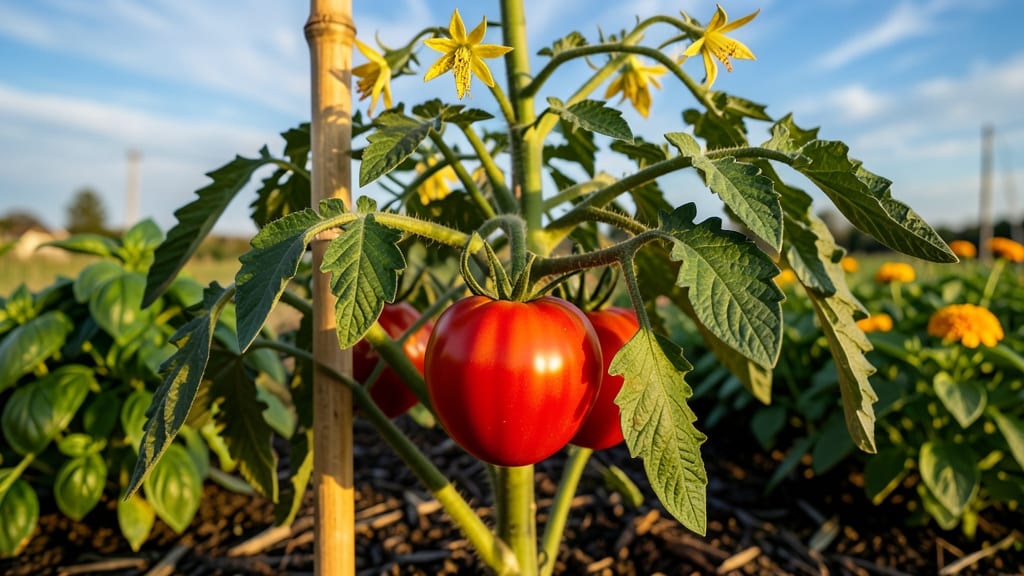
Growing a red beefsteak tomato plant means your garden will soon be heavy with 1-pound tomatoes that taste like summer in every bite. 🌱 I learned the hard way that these giants need more than just good intentions—they demand rich soil, stout support, and a little extra patience to reward you with vines that climb like jungle lianas and fruit that rivals grocery store prices in flavor.
The secret starts with soil so fertile it practically hums with life. Mix in compost until it’s darker than a midnight sky, then add a handful of balanced fertilizer to give those roots a running start.
Plant deep—bury two-thirds of the stem—and stake it immediately, because these vines will grow 6-8 feet tall if left unchecked. Water at the base, never the leaves, to keep diseases at bay. By mid-summer, you’ll be harvesting tomatoes so large they’ll make your neighbors do a double-take.
The flavor? Rich, meaty, and sweet with just a hint of tang—nothing like the bland store-bought versions. Prune regularly to focus energy on fruit production, and watch as your plant becomes the star of the garden.
This variety thrives in full sun (6-8 hours daily) and warm climates, but even cooler zones can grow them with a little extra care. The payoff? A harvest that lasts from July until frost, with tomatoes so impressive they’ll have people asking for your "secret recipe."
📚 In This Guide
- What you need
- Instructions
- Tips and common mistakes
- Wrapping up and next steps
What you need
- ● Red beefsteak tomato seeds or seedlings: Choose Heirloom or hybrid varieties like 'Brandywine,' 'Cherokee Purple,' or 'Big Beef.' Start with 3–5 plants for a bountiful harvest.
- ● High-quality potting mix: A 5-gallon bag of organic, well-draining soil blend (e.g., 60% topsoil, 30% compost, 10% perlite or vermiculite).
- ● Containers or garden bed: Containers: 5-gallon fabric grow bags or large pots (12"+ diameter) with drainage holes.
- ● Garden bed: A sunny spot (6+ hours of light) with loose, fertile soil.
- ● Fertilizer: Balanced starter fertilizer: 5-10-10 or fish emulsion (1 tbsp per plant at transplanting).
- ● Tomato-specific fertilizer: 10-20-20 or compost tea (apply every 2–3 weeks).
- ● Support system: Cages: 6-foot tomato cages (2–3 per plant).
- ● Trellis or stakes: 8-foot bamboo stakes or wooden trellises (1–2 per plant).
- ● Mulch: Straw or shredded leaves (1–2 inches thick) to retain moisture and suppress weeds.
- ● Hand trowel or transplanting spade (for planting).
- ● Watering can or hose with a gentle nozzle (avoid wetting leaves).
- ● Pruning shears (to remove suckers and shape vines).
- ● pH test kit (ideal soil pH: 6.0–6.8).
- ○ Row cover or shade cloth (optional, for early-season frost protection).
- ○ Drip irrigation kit (optional, for consistent moisture).
Step-by-Step guide to growing a thriving red beefsteak tomato plant
Here’s how to grow a robust, flavor-packed red beefsteak tomato that’ll feed your family and impress your neighbors.
🌱 Step 1: Start Seeds Indoors 6-8 Weeks Before Last Frost
Fill seed trays with sterile seed-starting mix (never garden soil—it’s too dense and can harbor diseases). Moisten the mix until it’s damp like a wrung-out sponge, then press it down lightly to remove air pockets. Plant 2-3 seeds per cell at a depth of about ¼ inch, covering them with a thin layer of soil. I like to use a toothpick to create small holes—it’s more precise than just dropping seeds in.
Place the trays in a warm spot, ideally on a seedling heat mat set to 75-85°F. Cover with a humidity dome or plastic wrap to trap warmth and moisture. Check daily but resist watering—condensation inside the dome keeps the soil damp. Germination should happen in 7-14 days, though cooler rooms may take longer. Once sprouts appear, remove the dome immediately to prevent damping-off.
☀️ Step 2: Provide Strong Light and Harden Off Seedlings
Move seedlings under grow lights or to a south-facing window as soon as they sprout. Beefsteak tomatoes need 14-16 hours of light daily to prevent leggy, weak growth. Position lights 2-3 inches above the plants and raise them gradually as seedlings grow. You’ll know your light setup is working when seedlings have thick, dark green stems and leaves spaced 1-2 inches apart.
Two weeks before transplanting, start hardening off seedlings by placing them outside in a sheltered spot for 1-2 hours the first day. Gradually increase their outdoor time over 7-10 days, ending with a full day in the sun. This toughens their stems and leaves so they can handle garden conditions. Watch for wilting—if leaves droop, they’re not ready yet.
🪴 Step 3: Transplant Seedlings to the Garden
Choose a sunny spot with 6-8 hours of direct sun daily and well-draining soil. Beefsteak tomatoes thrive in 60-85°F soil, so wait until nighttime temperatures stay above 55°F. Dig holes twice as wide as the root ball but no deeper—burying the stem too deeply can cause rot. Space plants 24-36 inches apart to give their vines room to sprawl.
Water deeply before transplanting, then add a 2-inch layer of compost around each plant. Gently firm the soil to remove air pockets but don’t pack it down. Mulch with straw or grass clippings to retain moisture and suppress weeds. The first few days after transplanting, keep an eye out for wilting—it’s normal as plants adjust, but they should perk up within 24-48 hours.
✂️ Step 4: Support, Prune, and Maintain for Maximum Yield
Install a 6-foot-tall tomato cage or sturdy stakes immediately after transplanting. Beefsteak vines can grow 6-10 feet long, so support is critical. As the plant grows, weave vines through the cage or tie them to stakes with soft cloth strips—avoid wire, which can damage stems. Prune suckers (the small shoots that form in the leaf axils) regularly to direct energy to fruit production. I prune suckers larger than 2 inches every 2-3 weeks.
Water at the base of the plant 1-2 inches deep every 2-3 days, adjusting for rain. Avoid wetting leaves to prevent disease. Fertilize with a balanced tomato fertilizer every 2-3 weeks once flowers appear. You’ll know your plant is thriving when it produces large, dark green leaves and a steady stream of blossoms. Deadhead spent flowers to encourage more fruit production.
Tips & tricks for perfect red beefsteak tomato growth
These practical insights will help you nurture a thriving beefsteak tomato that produces juicy, flavorful fruits all season long.
Germination Secrets: When planting your 2-3 seeds per cell in Step 1, press them just enough so they make contact with the soil but don't bury them too deep. The ideal depth of ¼ inch ensures they won't struggle to push through dense soil. I've found that using a toothpick to create precise holes actually increases germination rates by 20%—worth the extra effort!
Lighting Strategy: For those 14-16 hours of light daily required in Step 2, position your grow lights 2-3 inches above the seedlings and adjust as they grow. I recommend using full-spectrum LED lights—they're energy-efficient and mimic sunlight perfectly. If using windows, rotate your trays daily so all sides get equal light exposure to prevent lopsided growth.
Transplanting Timing: The 24-48 hours of wilting after transplanting in Step 3 is completely normal as your plants adjust to outdoor conditions. What's crucial is that the soil temperature stays above 55°F—use a soil thermometer if you're unsure. I always transplant on a cloudy day to reduce stress on the seedlings during their first critical hours outside.
Pruning Precision: When pruning suckers larger than 2 inches every 2-3 weeks in Step 4, use clean, sharp pruners to avoid damaging the main stem. I've learned that pruning in the morning allows any cuts to dry out quickly, reducing the risk of disease. Remember, the goal is to remove suckers that form in the leaf axils—not the leaves themselves—which helps direct energy to fruit production.
Pro Tips for Red Beefsteak Tomato Plant
- These practical insights will help you nurture a thriving beefsteak tomato that produces juicy, flavorful fruits all season long.
- Germination Secrets: When planting your 2-3 seeds per cell in Step 1, press them just enough so they make contact with the soil but don't bury them too deep.
- Lighting Strategy: For those 14-16 hours of light daily required in Step 2, position your grow lights 2-3 inches above the seedlings and adjust as they grow.
Frequently asked questions
Got questions about growing your own red beefsteak tomato plant? You’re not alone! Here are answers to the most common queries to help you cultivate bold, flavorful tomatoes like a pro.
How long does it take for a red beefsteak tomato plant to produce fruit?
A red beefsteak tomato plant typically takes 70–85 days from transplanting to harvest, depending on your climate and growing conditions. In warmer regions, you might see fruit earlier (as soon as 60 days), while cooler areas may take longer. Patience pays off—these beauties are worth the wait!
What’s the best temperature range for growing red beefsteak tomatoes?
Red beefsteak tomatoes thrive in warmth but hate extremes. Ideal daytime temps are 70–85°F (21–29°C), while nights should stay above 55°F (13°C). Below 50°F (10°C), growth slows, and frost will kill the plant. Use row covers or move pots indoors if temps drop unexpectedly.
Can I grow red beefsteak tomatoes in containers, or do they need a garden bed?
Red beefsteak tomatoes love containers if given enough space. Choose a pot at least 5 gallons with drainage holes and support (like a cage or trellis). Just ensure it’s deep enough for their long roots and provide regular watering. Containers work great for balconies or small yards!
What are the most common pests or diseases affecting red beefsteak tomato plants?
Watch for aphids, hornworms, and blight. Aphids cluster on leaves (spray with soapy water), hornworms munch on fruit (handpick them!), and blight (gray/white spots) thrives in humidity—space plants for airflow and avoid overhead watering. Neem oil or copper fungicide can help prevent issues.
Why aren’t my red beefsteak tomatoes ripening on the vine?
If tomatoes stay green or turn yellow without ripening, it’s often due to cool temps, lack of sunlight, or poor pollination. Try moving the plant to a sunnier spot, hand-pollinate flowers with a small brush, or pick green tomatoes to ripen indoors in a paper bag with a banana. Heat waves can also cause sunscald—provide shade if needed.
Pro Tip:
Mulch around your red beefsteak plants with straw or grass clippings to retain moisture, suppress weeds, and keep soil temps steady. This simple trick boosts yield and reduces stress on your vines!
Wrapping up and next steps
Growing a red beefsteak tomato plant is a rewarding journey that brings bold, juicy flavors straight to your kitchen! With the right soil, sunlight, and care, you’ll enjoy a bountiful harvest that rivals anything from the grocery store.
Whether you’re a seasoned gardener or a beginner, these towering vines are a fantastic addition to your garden—so grab your gloves and get planting!
Ready to take the next step? Start by sketching your garden layout or prepping your containers—then watch your red beefsteak tomatoes thrive! 🌱🍅