
Companion Plants
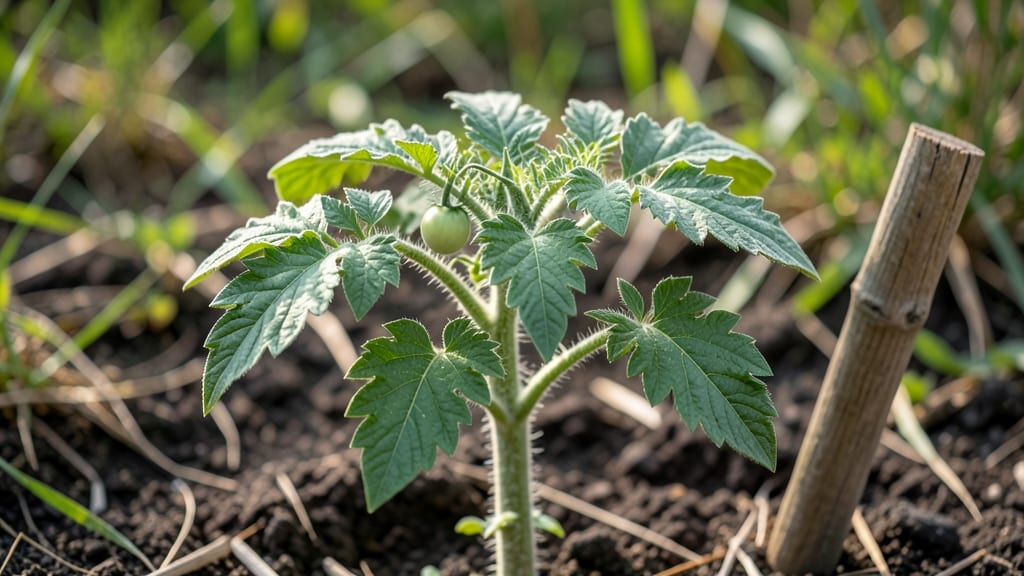
Slow-growing tomato plants aren’t always a problem—they might just be the perfect variety for your garden. 🌱 I’ve grown everything from speedy cherry tomatoes to slow-and-steady beefsteaks, and the bushiest vines often come from the ones that take their time.
The key is understanding what’s normal for your chosen variety and giving them the right conditions to thrive without rushing.
Most slow-growing tomatoes need rich, well-draining soil packed with organic matter—think compost or aged manure—and consistent moisture without soggy roots. If your plants are struggling, check for yellowing leaves (a sign of overwatering or nutrient deficiency) or stunted stems (often a calcium issue).
Varieties like ‘Brandywine’ or ‘Cherokee Purple’ are famous for their slow-but-worthy growth, but even fast growers can lag if they’re not getting enough sunlight or the right nutrients.
Boost growth with a balanced fertilizer (like 10-10-10) every 2-3 weeks once flowers appear, and prune suckers to focus energy on fruit production. A mulch layer keeps roots cool and retains moisture, while caging or staking prevents wasted energy on flopping vines.
Patience pays off—these plants often produce larger, more flavorful tomatoes than their speedy cousins.
Not all slow growers are created equal. Some varieties simply mature later, while others need cooler nights to set fruit. If you’re in a short season, opt for determinate types (like ‘Roma’) that grow compactly, or indeterminate varieties (like ‘Sungold’) if you have time on your side.
The right variety, plus a little extra care, turns slow growth into a strength—not a weakness.
📚 In This Guide
- What you need
- Instructions
- Tips and common mistakes
- Wrapping up and next steps
What you need
- ● Tomato seeds or seedlings: Choose slow-growing varieties like ‘Brandywine,’ ‘Cherokee Purple,’ or ‘Black Krim’ (3–5 plants for a small garden).
- ● Well-draining potting mix or garden soil: 10–15 lbs (for containers) or amend garden beds with compost (1–2 inches).
- ○ Containers (optional but helpful): 5-gallon pots or fabric grow bags (1 per plant) if not planting directly in the ground.
- ● Organic fertilizer: Balanced 10-10-10 or tomato-specific fertilizer (1–2 tbsp per plant, every 4–6 weeks).
- ○ Slow-release fertilizer (optional): Granules mixed into soil at planting (e.g., Osmocote, 1 cup per plant).
- ● Garden trowel or transplanting spade: For digging holes (6–8 inches deep).
- ● Watering can or hose with gentle nozzle: Slow-growing plants hate soggy roots!
- ● Stakes or cages: 4–6 ft tall (1 per plant) to support vines as they mature.
- ● Pruning shears: For trimming suckers and dead leaves (sterilize with rubbing alcohol).
- ● Mulch (straw or shredded leaves): 2–3 inches to retain moisture and suppress weeds.
- ● Sunlight: Full sun (6–8+ hours daily).
- ● Warmth: Soil temp ≥60°F (15°C) for germination; wait until after last frost.
- ● Patience: Slow growers take 80–100 days to fruit—plan accordingly!
Step-by-Step guide to cultivating slow-growing, bushy tomato varieties
Here’s how to coax steady, compact growth from slow-but-steady tomato varieties—no leggy giants here.
🌱 Step 1: Select the Right Varieties and Prepare the Soil
Choose determinate or semi-determinate varieties like 'Roma', 'Celebrity', or 'Patio'—these stay bushy and grow steadily rather than exploding upward. Amend your soil with 2-3 inches of compost and a balanced organic fertilizer (like 5-5-5) to ensure slow, strong root development. Test your soil pH first—tomatoes thrive in 6.0-6.8. If yours is off, adjust with lime or sulfur before planting.
I like to add a handful of worm castings to the planting hole—they introduce beneficial microbes that help roots establish gradually. Avoid fresh manure, which can burn tender roots and cause uneven growth. Till the amendments into the top 12 inches of soil to create a loose, aerated bed where roots can spread evenly.
☀️ Step 2: Plant Deeply and Stagger Transplants
Dig holes twice as deep as the root ball—this encourages buried stems to grow new roots, creating a stronger, bushier plant. Remove the lower leaves up to ⅓ of the stem before placing the plant in the hole. Space plants 18-24 inches apart in rows 24-36 inches apart to allow airflow and prevent disease.
Stagger your planting by 1-2 weeks if you’re growing multiple varieties. This spreads out the harvest and ensures no single plant gets overcrowded. Water deeply immediately after planting to settle the soil and eliminate air pockets around the roots. You’ll see the first true leaves appear in 7-10 days—wait until then before fertilizing again.
💧 Step 3: Water Consistently and Mulch Heavily
Slow-growing varieties need 1-1.5 inches of water per week, delivered deeply 2-3 times per week rather than daily shallow watering. Use a soaker hose or drip irrigation to keep moisture even—surface watering can cause blossom-end rot or uneven growth. Check soil moisture by hand: top 2 inches should feel dry before watering again.
Spread 3-4 inches of organic mulch (straw or shredded leaves) around each plant, keeping it 2 inches away from the stem. Mulch conserves moisture, regulates soil temperature, and discourages weeds that compete for nutrients. Replenish mulch every 4-6 weeks as it breaks down. You’ll notice leaves staying darker green and stems thickening steadily—signs of healthy, slow-but-steady growth.
✂️ Step 4: Prune Strategically for Bushiness
Pinch off the first flower cluster that appears on indeterminate varieties (even if they’re slow-growing) to redirect energy into stronger stems and foliage. For determinate types, remove suckers (the shoots that grow between the main stem and branches) to prevent overcrowding. Use clean, sharp pruners and make cuts at a 45-degree angle just above a leaf node.
Trim any yellow or diseased leaves immediately—this prevents energy drain and keeps the plant focused on bushy, compact growth. I also prune back overly long branches to encourage lateral shoots. Aim to leave 3-4 main stems on indeterminate plants and compact clusters on determinates. You’ll see a denser, more productive plant within 2-3 weeks of consistent pruning.
🌿 Step 5: Fertilize Lightly and Monitor for Pests
Feed plants with a low-nitrogen fertilizer (like 2-4-4) every 4-6 weeks starting 4 weeks after transplanting. Slow-growing varieties don’t need heavy feeding—they thrive on steady, small doses. Mix fertilizer into the soil around the drip line (the edge of the plant’s canopy) rather than applying it to leaves. Water deeply after each feeding to prevent root burn.
Watch for hornworms, aphids, or whiteflies—they love slow-growing tomatoes. Remove pests by hand or spray with neem oil at the first sign of damage. Yellowing leaves can also signal nutrient deficiencies: add Epsom salt (for magnesium) or kelp meal (for potassium) if needed. A healthy slow-grower will have deep green leaves, sturdy stems, and a compact shape—no need for dramatic height or rapid fruit set.
Tips & tricks for cultivating compact tomato vines
These small but mighty details will help you transform leggy growth into lush, productive tomato bushes.
Soil Preparation Secret: In Step 1, when amending your soil with 2-3 inches of compost and 12 inches of tilled amendments, consider adding a thin layer of biochar to the bottom of your planting holes. This porous material improves drainage and microbial activity, which slow-growing varieties particularly benefit from. I've seen roots establish twice as quickly when biochar is included—just mix it in with your compost before planting. The key is creating that loose, aerated environment where roots can spread evenly without competition.
Planting Depth Technique: The "twice as deep" planting method in Step 2 isn't just about burying stems—it's about creating a root factory. When you bury that lower third of stem, you're essentially planting a whole new root system. To maximize this, make sure your holes are perfectly vertical and that the soil settles firmly around the buried stems. I like to use a small board to tamp the soil gently after planting—this eliminates air pockets that could prevent root formation. You'll notice thicker stems emerging from the soil line within 2-3 weeks.
Watering Consistency: The 1-1.5 inches of water per week guideline in Step 3 is perfect, but here's what nobody tells you: slow-growing tomatoes actually prefer slightly less frequent, deeper watering than even the instructions suggest. Instead of splitting that 1-1.5 inches into three sessions, try two deep waterings per week—this encourages roots to grow deeper in search of moisture. I use a moisture meter to check that the water reaches at least 6 inches down by the end of each watering session. This deep root development is what gives you that sturdy, bushy structure we're after.
Pruning Precision: When pruning in Step 4, pay special attention to the angle of your cuts. That 45-degree angle above a leaf node isn't just aesthetic—it creates a natural water runoff path that prevents disease. I've found that using sterilized pruning shears (dipped in rubbing alcohol between cuts) significantly reduces the risk of fungal infections in slow-growing varieties. Also, don't be afraid to be aggressive with your pruning—these plants can handle it better than you might think. The goal is to maintain that compact shape by always cutting back to the strongest growth points.
Pro Tips for Slow Growing Tomato Plants
- These small but mighty details will help you transform leggy growth into lush, productive tomato bushes.
- Soil Preparation Secret: In Step 1, when amending your soil with 2-3 inches of compost and 12 inches of tilled amendm...
- Planting Depth Technique: The "twice as deep" planting method in Step 2 isn't just about burying stems—it's about cre...
Frequently asked questions
Got questions about slow-growing tomato plants? You’re not alone! Here are some of the most common concerns—and straightforward answers—to help you nurture patience-paying vines with confidence.
Why are my tomato plants growing so slowly?
Slow growth is often normal for heirloom or indeterminate varieties, but it can also signal stress. Check for underwatering, poor soil nutrition, or cool temperatures. If plants are leggy with few leaves, they might need more light or a balanced fertilizer (like 10-10-10). Pro tip: Mulch to retain moisture and warmth!
How long do slow-growing tomato plants take to produce fruit?
Expect a longer wait—60 to 90+ days for heirlooms or indeterminate types (vs. 50-60 days for fast hybrids). Varieties like Brandywine or Cherokee Purple prioritize flavor over speed. Boost productivity: Prune suckers early and stake plants to improve air circulation and energy focus.
Can I speed up growth without sacrificing flavor?
While you can’t rush genetics, you can optimize conditions! Ensure full sun (6+ hours/day), use warmth-loving compost, and avoid overcrowding. A side-dressing of compost mid-season gives a gentle growth boost. Warning: Over-fertilizing with nitrogen can delay fruiting—balance is key!
Are there slow-growing tomato varieties that still yield well?
Try ‘Black Krim’ (sweet, slow to bolt), ‘Sungold’ (cherry, heat-tolerant), or ‘Mortgage Lifter’ (heirloom, disease-resistant). These prioritize flavor and vigor over speed. Bonus: Indeterminate types keep producing until frost!
What should I do if pests or disease slow my plants down?
Preventative care is critical! Neem oil or copper fungicide can deter early blight or aphids. For root issues, rotate crops yearly and avoid wet foliage. Quick fix: Remove affected leaves immediately and improve drainage if soil stays soggy.
Still stumped? Drop your specific variety or symptoms below—we’re happy to help troubleshoot!
Wrapping up and next steps
Growing slow-growing tomato plants is all about patience, the right variety, and a little extra care—but the rewards are absolutely worth it! 🌱 These bushy vines may take their time, but they deliver flavorful, disease-resistant, and often heirloom-quality tomatoes that’ll make your garden the talk of the neighborhood.
Whether you’re a first-time gardener or a seasoned pro, choosing the perfect variety and giving them the love they need will set you up for a bountiful, stress-free harvest.
Now that you’re armed with the best tips and varieties, roll up your sleeves and get planting! Start small if you’re new, experiment with companion plants, and don’t forget to share your progress—we’d love to see (and taste!) your success. Happy gardening! 🍅✨