
Pests
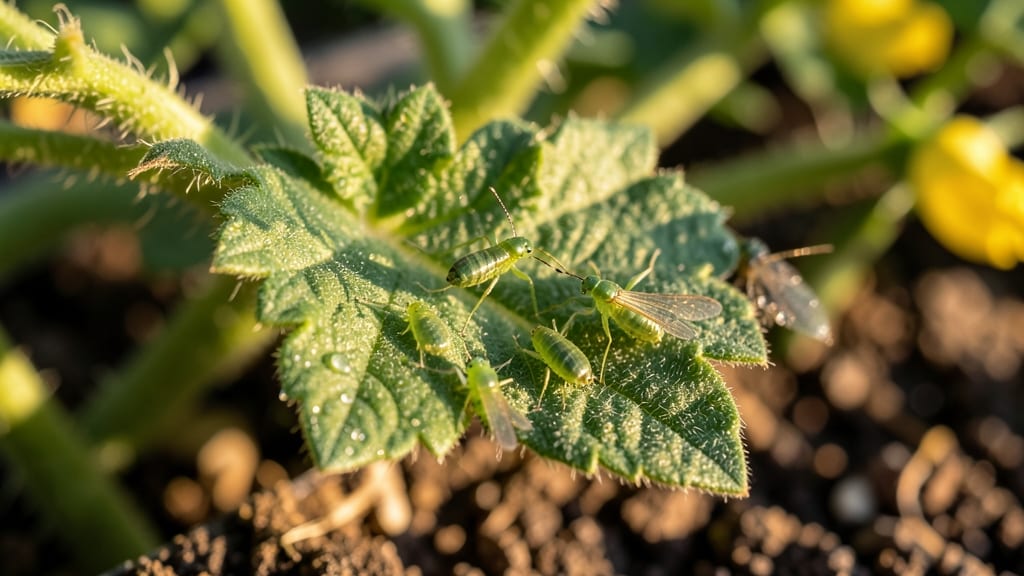
Those tiny green bugs on your tomato plants are probably aphids—and they’re sucking the life out of your harvest before you even notice. 🌱 I’ve battled them for years, and the key to saving your tomatoes lies in acting fast with the right methods, not just spraying anything that moves.
The worst part? These pests spread viruses and attract ants, turning a healthy plant into a sad, sticky mess overnight. But here’s the good news: natural solutions like soapy water, neem oil, or introducing ladybugs can clear them out without harming your tomatoes or the environment.
By the time you finish reading, you’ll know exactly how to inspect your plants, choose the best treatment, and keep those bugs from coming back. Your tomatoes will bounce back stronger—and you’ll save money on store-bought produce.
This works for all tomato varieties, whether you’re growing in containers, raised beds, or straight in the ground. Let’s get those plants thriving again!
Why it happens
When those tiny green bugs start feasting on your tomato plants, it’s usually one of a few sneaky pests—each with its own reasons for crashing your garden party.
Understanding why they show up is half the battle. Let’s break down the most likely causes, so you can outsmart them before they ruin your harvest.
🌱 Overcrowded or Stressed Plants
Tomato plants are tough, but they’re not invincible. When they’re crowded, underwatered, or nutrient-deficient, their defenses weaken—making them prime targets for pests like aphids, whiteflies, or spider mites. These bugs thrive in environments where plants are already struggling to bounce back. Why?
- Weak sap flow: Stressed plants produce less sticky sap, which normally deters pests. Tiny invaders like aphids detect this and move in for an easy meal.
- Reduced natural predators: Healthy plants attract beneficial insects (like ladybugs or lacewings), but stressed plants don’t. Fewer predators = more pests.
- Moisture buildup: Overwatering or poor drainage creates damp conditions, which whiteflies and fungus gnats love for breeding.
Actionable fix: Space plants properly (18–24 inches apart for tomatoes), mulch to retain moisture without soggy roots, and fertilize with balanced nutrients (like a 10-10-10 formula) to keep them robust.
🌿 Poor Garden Hygiene
Pests don’t just appear out of nowhere—they hitchhike or emerge from hidden nooks in your garden. If you’ve got weeds, old plant debris, or compost piles nearby, you’re basically rolling out the welcome mat for tiny green troublemakers.
- Weeds as pest hotels: Many weeds (like nightshade or purslane) host aphids, thrips, and other pests. These bugs then migrate to your tomatoes when the weeds dry up.
- Compost or mulch hotspots: Warm, decaying organic matter is a breeding ground for fungus gnats and shothole borers. If your compost pile is too close to tomato plants, you’re asking for trouble.
- Infested tools or transplants: Reusing pots, tools, or buying contaminated seedlings can introduce pests directly to your garden.
Actionable fix:
- 🔥 Clear debris: Remove weeds and old plant matter regularly (at least every 2 weeks).
- 🍳 Sterilize tools: Clean pruners, trowels, and pots with a 10% bleach solution (1 part bleach to 9 parts water) between uses.
- 👨🍳 Isolate new plants: Quarantine store-bought seedlings for 2 weeks before planting to spot hitchhikers.
🌡️ Warm, Humid Conditions
Love them or hate them, hot, sticky summers are peak season for many tiny green pests. Whiteflies, aphids, and spider mites multiply like crazy when temperatures hover between 75–90°F (24–32°C) and humidity is high. Why?
- Faster reproduction: Many pests complete their life cycles in days under these conditions. A single aphid can turn into hundreds in a week!
- Slower plant recovery: Tomatoes wilt faster in heat, making them more vulnerable to chewing or sucking pests.
- Fungal allies: Some pests (like thrips) spread plant diseases that thrive in humidity, creating a double whammy.
Actionable fix:
- ✨ Shade cloth: Use 30–50% shade cloth to reduce heat stress on plants.
- 💡 Improve airflow: Prune plants to open up the canopy and reduce humidity near foliage.
- 🎯 Water wisely: Water early in the morning to let foliage dry quickly, discouraging fungal-loving pests.
🌍 Lack of Natural Predators
In a balanced ecosystem, tiny green bugs rarely become a problem because birds, lacewings, ladybugs, and parasitic wasps keep their populations in check. But if your garden lacks biodiversity, pests take over.
- Monoculture gardens: Planting only tomatoes (or other nightshades) starves beneficial insects of their alternative food sources.
- Pesticide overuse: Harsh chemicals kill both pests AND their predators, leaving your plants defenseless.
- Urban or suburban isolation: Fewer wildflowers or hedgerows mean fewer habitats for predator insects.
Actionable fix:
- 🌼 Plant companion flowers: Add marigolds, alyssum, or dill to attract ladybugs and lacewings.
- 🐞 Create predator havens: Leave some leaf litter or small brush piles for ground-dwelling predators like rove beetles.
- 🚫 Avoid broad-spectrum sprays: Opt for targeted treatments (like neem oil) that spare beneficial insects.
Natural Ways to Eliminate Tiny Green Pests
If you’ve spotted tiny green bugs munching on your tomato plants, don’t panic—there are effective, chemical-free ways to tackle them. The key is identifying the culprit first (likely aphids, flea beetles, or whiteflies) and then applying targeted solutions.
Below, we break down cause-specific fixes, along with prevention tips to keep your tomato harvest thriving.
Aphids cluster on new growth, leaving sticky honeydew and stunted plants behind. Here’s how to evict them:
🔥 Immediate Action: Manual Removal
- 👨🍳 Blast them off with a strong spray of water (use a hose nozzle or spray bottle).
- 🍳 Crush clusters by hand (wear gloves!) or use a damp cloth to wipe them away.
- ⏰ Best time: Early morning when aphids are sluggish.
🌿 Natural Sprays for Long-Term Control - 💡 Soap spray: Mix 1 tbsp mild liquid soap (like Castile) + 1 quart water.
Spray directly on bugs (avoid flowers to protect pollinators). - 🌡️ Neem oil solution: Combine 1 tbsp neem oil + 1 tsp mild soap + 1 quart water.
Spray every 5–7 days until gone. - ✨ Ladybugs to the rescue: Release beneficial insects (buy from garden centers) or plant companion flowers like marigolds to attract them.
🎯 Prevention Tips
- 🌱 Rotate crops to disrupt aphid life cycles.
- 🍃 Prune regularly to remove infested leaves.
- 🌿 Interplant with basil or garlic—their strong scents repel aphids.
These skeletal-looking beetles chew irregular holes in leaves, weakening plants. Here’s how to stop them:
🔪 Physical Barriers
- 🥘 Row covers: Use lightweight fabric to shield seedlings (remove when flowers appear for pollination).
- 🌡️ Yellow sticky traps: Place near plants to catch adult beetles.
🍳 Organic Sprays
- 💡 Kaolin clay: Mix 1 tbsp clay + 1 quart water. Sprays create a protective film that repels beetles.
- 🌿 Diatomaceous earth (DE): Sprinkle food-grade DE around the base of plants (reapply after rain). Caution: Avoid breathing it in!
🎯 Prevention Tips
- 🌱 Start seeds indoors until danger of frost passes (beetles thrive in warm soil).
- 🍃 Mulch heavily with straw to deter emerging beetles.
- 🌿 Plant trap crops like radishes or mustard greens to lure beetles away.
Whiteflies flutter away when disturbed and leave a sticky residue. They’re trickier but beatable:
🔥 Yellow Sticky Traps
- 👨🍳 Hang traps above plants to catch adults.
- ⏰ Check daily and replace when saturated.
🌿 Systemic Solutions
- 💡 Insecticidal soap: Spray undersides of leaves where whiteflies hide (repeat every 3–4 days).
- 🌡️ Horticultural oil: Use in early stages (avoid if temps exceed 90°F).
- ✨ Beneficial wasps: Introduce Encarsia formosa (parasitic wasps) to target whiteflies naturally.
🎯 Prevention Tips
- 🌱 Avoid over-fertilizing with nitrogen (attracts whiteflies).
- 🍃 Inspect new plants before adding to your garden.
- 🌿 Use reflective mulch (aluminum foil) to disorient adults.
Regardless of the pest, these universal tips reduce future infestations:
- 💡 Clean up debris (fallen leaves, weeds) where pests hide.
- 🌡️ Water at the base (not overhead) to avoid attracting bugs.
- 🎯 Crop rotation: Move tomatoes to a new spot each year.
- 🌿 Healthy soil = strong plants: Amend with compost to boost plant resilience.
Pro Tip: 🔥 Test sprays on a small leaf first to ensure they don’t cause damage. Consistency is key—pests often return if treatment stops too soon!
Frequently asked questions
What are those tiny green bugs on my tomato plants?
They’re most likely aphids, whiteflies, or flea beetles. Aphids cluster on new growth, whiteflies flutter when disturbed, and flea beetles create tiny holes in leaves. Check the undersides of leaves and stems for clues—aphids leave sticky residue, while flea beetles chew irregular patterns.
Are these tiny green bugs harmful to my tomato plants?
Yes, they can seriously damage your plants! These pests suck sap (aphids/whiteflies) or chew leaves (flea beetles), weakening growth and spreading diseases. Left untreated, they’ll stunt fruit production and invite ants or fungal infections. Act fast—most can be controlled naturally without chemicals.
How do I tell if my tomato plants have a serious infestation?
Look for yellowing leaves, sticky residue (honeydew from aphids), or chewed holes in foliage. If you see ants on your plants (they farm aphids), that’s a red flag! Also check the soil—if you spot tiny black specks (flea beetle larvae), the problem’s worse than it appears.
Will homemade sprays really work against these bugs?
A soapy water spray (1 tbsp mild soap + 1 quart water) or neem oil solution (1 tbsp neem + 1 tsp soap + 1 quart water) are highly effective. Just spray early in the morning when pests are sluggish, and reapply every 5-7 days. For stubborn cases, add yellow sticky traps to catch flying adults.
Can I still harvest tomatoes if my plants have these bugs?
Yes, but focus on fully ripened tomatoes first—they’re less likely to be affected. Avoid picking green tomatoes from heavily infested plants, as they may contain pesticides or disease. Once you’ve treated the bugs, your plants should recover and produce new healthy fruit within 2-3 weeks.