
Pests
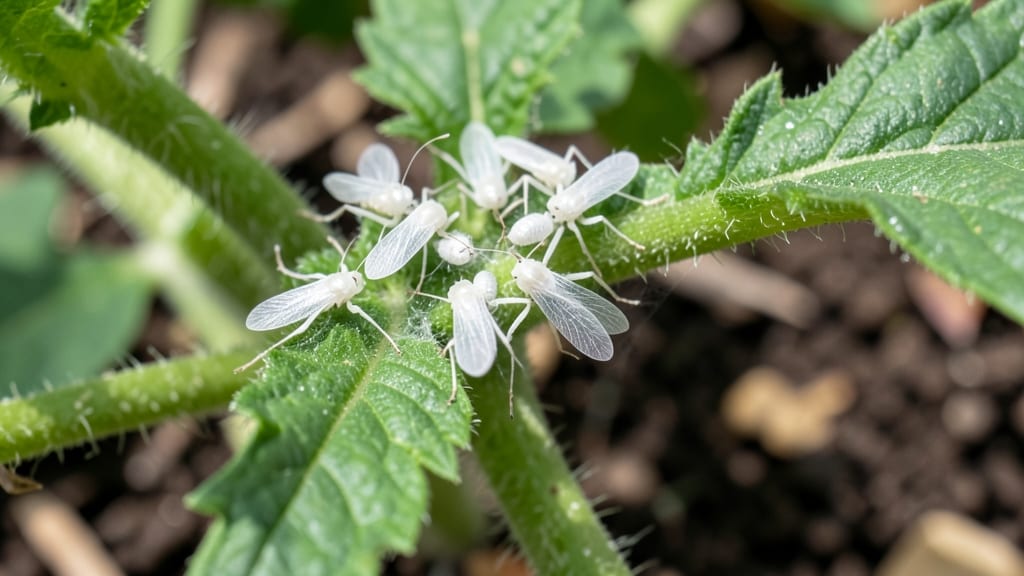
Those pesky tiny white insects on tomato plants are probably whiteflies or aphids—and they multiply faster than weeds in a spring rain. 🌿 I’ve battled them in my backyard garden for years, and I know how quickly they can turn lush tomato plants into skeleton leaves if you don’t act fast.
The damage starts small: sticky residue on leaves, curled foliage, and stunted growth. But here’s the good news—once you recognize the signs (tiny white specks fluttering when you shake the plant), you can tackle them with simple, organic methods that work in under 48 hours. No harsh chemicals needed.
By the end of this, your tomato plants will bounce back with vibrant green leaves and a fresh start. The key is acting early, using the right tools, and preventing a comeback. Let’s get those pests out of your garden for good.
First, confirm what you’re dealing with: whiteflies love the undersides of leaves and take flight when disturbed, while aphids cluster tightly in colonies. Both leave behind a sticky mess called honeydew, which attracts mold. Grab a magnifying glass—it’s the fastest way to tell them apart without guessing.
Once identified, your fastest fix is a strong spray of water (aphids hate it) or a homemade soap solution (1 tablespoon mild dish soap per quart of water). For whiteflies, yellow sticky traps work like magic—just hang them near the plants to trap adults before they reproduce.
The real secret? Prevention. Encourage beneficial insects like ladybugs and lacewings, which eat these pests naturally. Neem oil sprays applied every 10-14 days during growing season keep them at bay without harming your tomatoes.
And here’s my pro tip: healthy plants resist pests better—so rotate crops, prune regularly, and keep your garden thriving.
Root Causes of Tiny Invaders
When you spot tiny white insects on tomato plants, they’re rarely just a random nuisance—they’re usually the result of specific environmental or gardening factors. Understanding these causes is the first step to stopping the problem before it spreads.
Below, we break down the most common reasons these pests show up in your garden, along with the science behind their behavior.
Tomato plants under stress are like an open buffet for pests. When plants are overcrowded, they compete for sunlight, water, and nutrients, weakening their natural defenses. Similarly, nutrient deficiencies (like a lack of nitrogen or phosphorus) or poor soil health make them more vulnerable to attacks.
Why it happens:
- Weakened sap: Stressed plants produce less sticky sap, which is a natural deterrent for pests like aphids or whiteflies.
- Attracts predators: Some insects, like whiteflies, are drawn to plants emitting distress signals (e.g., volatile organic compounds).
- Fungal or bacterial infections: Compromised plants may also harbor secondary infections, creating a perfect storm for pests.
Actionable fix: Thin out plants to improve airflow, amend soil with compost, and use balanced fertilizer to boost resilience.
Many tiny white insects—such as whiteflies, aphids, and mealybugs—thrive in warm, humid climates. These conditions accelerate their reproduction cycles, turning a few stragglers into a full-blown infestation within weeks.
Why it happens:
- Faster lifecycle: Whiteflies, for example, can lay hundreds of eggs in ideal conditions (75–85°F with high humidity) and develop into adults in just 2–3 weeks.
- Reduced natural predators: Beneficial insects like ladybugs or lacewings are less active in extreme heat, giving pests free rein.
- Moisture buildup: Humidity encourages fungal growth on plant surfaces, which some insects (like mealybugs) use as a food source.
Actionable fix: Improve airflow with pruning, use shade cloth in peak heat, and avoid overhead watering to reduce humidity around leaves.
Pests love hiding in plant debris, weeds, or old mulch. If your garden isn’t regularly cleaned, these insects can overwinter or hitchhike from nearby infested plants to your tomatoes.
Why it happens:
- Hibernation hotspots: Eggs or pupae from pests like aphids or scale insects can survive in dried leaves or soil for months, emerging when conditions are right.
- Alternative food sources: Weeds or volunteer plants (like nightshade) nearby can harbor pests that later migrate to your tomatoes.
- Contaminated tools or soil: Shared gardening tools or compost with pest eggs can introduce infestations.
Actionable fix: Clear debris regularly, solarize soil in late summer (cover with clear plastic for 4–6 weeks to kill pests), and inspect new plants before transplanting.
A healthy garden ecosystem includes predatory insects that naturally control pest populations. If your tomato patch lacks diversity (e.g., no flowers for pollinators or ground cover for predators), tiny white insects can multiply unchecked.
Why it happens:
- Missing food chain links: Ladybugs eat aphids; parasitic wasps attack whitefly pupae. Without these, pests thrive.
- Monoculture gardening: Planting only tomatoes (a single host) attracts pests that specialize in Solanaceae (the tomato family).
- Pesticide overuse: Broad-spectrum chemicals kill both pests and their natural enemies, creating a vacuum that pests rush to fill.
Actionable fix: Plant companion flowers (like marigolds or basil), avoid chemical pesticides, and introduce beneficial nematodes or predatory insects.
💡 Pro Tip: If you’ve ruled out stress, weather, or debris, check for hidden signs like sticky residue (honeydew) or yellowing leaves—a classic sign of sap-sucking pests. Act fast, because these insects reproduce exponentially!
How to Treat Tiny Tomato Pests
Once you’ve identified the tiny white invaders—whether they’re aphids, whiteflies, fungus gnats, or mealybugs—it’s time to act fast. These pests can weaken your tomato plants, stunt growth, and even ruin your harvest if left unchecked. The good news?
There are effective, natural, and chemical-free solutions to kick them out for good. Below, we’ll break down the best fixes based on the culprit, plus prevention tips to keep your plants pest-free next season.
Aphids cluster on new growth, leaves, and stems, sucking sap and leaving behind sticky honeydew.
🍳 Natural Sprays (Safe & Fast)
- Soapy Water Spray 🧼 Mix 1 tsp mild dish soap (like Dawn) with 1 quart of water. Spray directly on aphids, focusing on the undersides of leaves.
Reapply every 3–4 days until gone. Pro Tip: Test on a small leaf first—some plants are sensitive to soap!
- Neem Oil Solution 🌿 Combine 1 tbsp neem oil, 1 tsp mild soap, and 1 quart of water. Shake well and spray early in the morning (avoid direct sunlight). Neem disrupts aphids’ life cycle and deters future infestations.
- Garlic or Chili Pepper Spray 🌶️ Blend 4 garlic cloves or 1 chili pepper with 1 quart of water, strain, and add 1 tsp soap. Spray weekly to repel aphids naturally.
👨🍳 Manual Removal (For Small Infestations)
- Blast Them Off 💨 Use a strong spray of water from a hose to knock aphids off leaves. Do this early in the day so plants dry quickly.
- Prune & Destroy ✂️ Snip heavily infested leaves or stems and dispose of them in sealed bags (not compost). This prevents reinfestation.
Whiteflies flutter when disturbed and thrive on the undersides of leaves, causing yellowing and stunted growth.
🕷️ Sticky Traps & Yellow Cards 🎯
- Hang yellow sticky traps near plants to lure and trap adult whiteflies. Replace every 2–3 weeks for best results.
🌿 Systemic & Contact Solutions
- Insecticidal Soap 🧴 Use a horticultural oil-based soap (like Safer® Brand) and spray thoroughly on both leaf sides. Repeat every 5–7 days until no more flies appear.
- Kaolin Clay (Surround WP) 🏗️ This mineral forms a protective film that repels whiteflies. Mix with water and spray weekly as a preventative barrier.
- Beneficial Insects 🐞 Release parasitic wasps (Encarsia formosa) or ladybugs—they devour whitefly larvae and eggs naturally.
These tiny white moth-like flies lay eggs in moist soil, and their larvae chew on roots.
⏰ Soil & Water Adjustments
- Let the Soil Dry Out 💧 Fungus gnats love damp soil. Water only when the top inch is dry, and avoid overhead watering.
- Add Sand or Perlite 🏖️ Amend soil with coarse sand or perlite to improve drainage and deter egg-laying.
🔪 Natural Larvicides
- Hydrogen Peroxide Spray 🧪 Mix 1 tbsp 3% hydrogen peroxide with 1 cup water and spray moist soil (not dry). The bubbles suffocate larvae.
- Bacillus Thuringiensis var. Israelensis (BTI) 🦠 A natural bacteria (like Mosquito Dunks) that kills gnat larvae without harming plants. Soak soil or use floating dunks in pots.
- Diatomaceous Earth (DE) 🪨 Sprinkle food-grade DE lightly on soil surface—it cuts larvae but is harmless to adults (they avoid it).
Mealybugs hide in sticky white cotton-like clusters, weakening plants and spreading mold.
🧼 Alcohol Wipe-Down
- Dip a cotton swab in rubbing alcohol (70% or higher) and dab directly on mealybugs. They’ll dissolve instantly! Repeat every few days for new hatchlings.
🌿 Oil-Based Sprays
- Neem Oil + Dish Soap (as above) works well for mealybugs too. Reapply every 5–7 days until gone.
🐝 Beneficial Predators
- Introduce ladybugs, lacewings, or cryptolaemus beetles—they love mealybugs and will clean up an infestation fast.
Stop pests before they start with these long-term strategies:
- Rotate Crops 🌱 – Don’t plant tomatoes (or nightshades) in the same spot yearly—this breaks pest life cycles.
- Healthy Soil = Strong Plants 🌿 – Use compost, worm castings, and balanced fertilizer to keep tomatoes vigorous.
- Companion Planting 🌸 – Grow marigolds, basil, or nasturtiums nearby—they repel pests naturally.
- Mulch Properly 🍂 – Use straw or grass clippings to smother weeds (which attract pests) and retain moisture.
- Inspect New Plants 🔍 – Before bringing home seedlings, quarantine them for 2 weeks to spot hitchhiking pests.
- Encourage Wildlife 🐝 – Birds, frogs, and predatory insects keep pest populations in check.
- Clean Up Debris 🧹 – Remove fallen leaves, old plants, and weeds where pests hide over winter.
Final Thought: Most tiny white pests can be eliminated without chemicals if you act quickly and stay consistent. Check your plants weekly, especially during warm, humid weather when infestations peak.
With the right mix of natural sprays, manual removal, and prevention, your tomato plants will stay strong, healthy, and pest-free—ready for a bountiful harvest! 🍅✨
Frequently asked questions
Are those tiny white insects on my tomato plants harmful?
Yes, they can be very damaging! Tiny white insects like aphids, whiteflies, or mealybugs suck plant sap, causing leaves to yellow, curl, or drop. They also leave sticky honeydew that attracts mold. Left unchecked, they can stunt growth and reduce your harvest by 30-50%.
How can I tell if they're whiteflies or aphids?
Shake your plant—they'll reveal themselves! Whiteflies flutter away like tiny moths, while aphids stay clustered. Check leaf undersides: whiteflies love them, while aphids prefer new growth. Use a magnifying glass for a closer look at their 1/16-inch size.
Will homemade sprays really work against these pests?
A simple mix of 1 tsp mild dish soap + 1 quart water sprayed directly on pests works well for aphids. For whiteflies, try neem oil solution (1 tbsp oil + 1 tsp soap per quart) applied in early morning. Reapply every 3-5 days for best results—consistency is key!
Can I use store-bought pesticides safely on tomato plants?
Be very careful! Many chemical pesticides can harm your plants or leave residues on edible fruit. Opt for organic-approved options like insecticidal soap or horticultural oil. Always follow label instructions and avoid spraying during flowering/fruiting when possible.
How can I prevent these pests from coming back next year?
Start with healthy plants—rotate crops, use compost, and plant companion flowers like marigolds. Remove garden debris in fall, and introduce beneficial insects (ladybugs, lacewings). Yellow sticky traps hung early in season catch adults before they reproduce!