
Vegetables
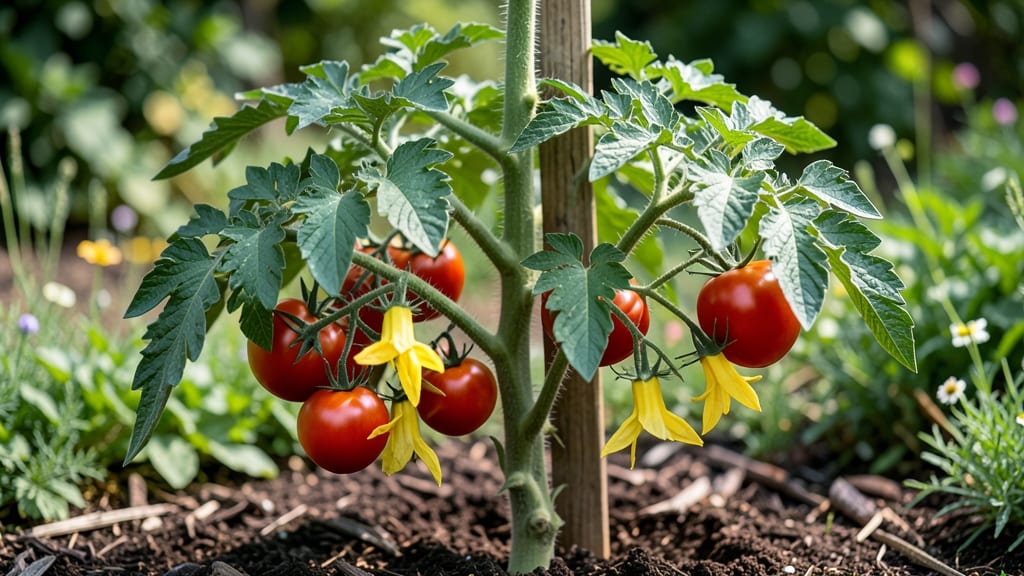
Growing the Tomato Big Daddy hybrid means slicing through the ordinary—these beefsteak tomatoes weigh in at 1-2 pounds each, perfect for sandwiches that actually hold together. 🌱 I planted mine last spring and nearly dropped the first fruit when I saw its size; it was like holding a baseball in my hand.
The secret isn’t just the seed—it’s the right support, soil, and a little extra patience to coax those monsters to full size.
This variety demands 6-8 hours of full sun daily and rich, well-draining soil mixed with compost. A 9-foot tall tomato cage or sturdy trellis is non-negotiable—those fruits get heavy, and the stems can snap under the weight.
Start seeds indoors 8-10 weeks before your last frost, or buy sturdy transplants from a reputable grower. The key is consistent moisture: deep watering 2-3 times per week (more in extreme heat) keeps the soil damp but never soggy.
By midsummer, you’ll be harvesting slices so thick they’re almost steaks, with a sweet, meaty flavor that puts store-bought tomatoes to shame. Prune suckers regularly to focus energy on fruit production, and watch for early signs of blight—this hybrid is disease-resistant but not invincible.
The first bite of a fresh, sun-warmed slice from your own Big Daddy will make every extra pound of effort worth it.
Works beautifully in garden towers, raised beds, or sprawling backyards, though container growers should plan for 5-gallon pots or larger. For best results, harvest when the tomatoes are fully colored but still slightly firm—they’ll ripen indoors if needed.
Save seeds from your best fruits for next year, and get ready to impress neighbors with slices that actually feed a crowd.
📚 In This Guide
- What you need
- Instructions
- Tips and common mistakes
- Wrapping up and next steps
What you need
- ● Tomato Seeds or Seedlings: 1–2 Tomato Big Daddy Hybrid seeds (or 1–2 healthy seedlings from a trusted nursery).
- ● Growing Containers or Garden Plot: Container Option: 5-gallon pots or larger (minimum 18" diameter for one plant). Use fabric pots or plastic with drainage holes.
- ● Garden Bed Option: Full sun (6+ hours/day) with well-draining soil. Space plants 3–4 feet apart to avoid crowding.
- ● High-Quality Potting Mix: 1–2 bags of organic, well-draining mix (avoid garden soil—it compacts!). Look for blends labeled for tomatoes or vegetables.
- ● Fertilizer: Balanced 10-10-10 or 5-5-5 fertilizer (for seedlings) + tomato-specific fertilizer (high in phosphorus/potassium, like 3-4-6 or 5-10-10, for fruiting).
- ● Support Structures: Cages or Trellis: Sturdy 5–6 ft tall tomato cages or a robust trellis system (Big Daddy’s vines can reach 6+ feet!).
- ● Watering Supplies: Watering can with a rose attachment (for gentle, deep watering) or a drip irrigation kit.
- ● Pruning Tools: Sharp pruning shears (sterilized with rubbing alcohol).
- ● Mulch: Straw or shredded leaves to retain moisture and suppress weeds.
- ● Epsom Salt: 1 tbsp per plant every 2–3 weeks for magnesium boost (prevents blossom-end rot).
- ● Compost or Worm Castings: Mix into soil or top-dress for extra nutrients.
- ● Shade Cloth: Lightweight fabric (30–50%) to protect seedlings from harsh midday sun.
- ● Garden Journal: To track growth, pruning, and harvest dates!
Step-by-step instructions for growing the tomato Big Daddy hybrid
Here's how I turn those massive Big Daddy seeds into towering, slice-worthy tomatoes—ready to dominate your garden and your sandwiches.
🌱 Step 1: Start Seeds Indoors with Precision Timing
Plant your Big Daddy seeds 8-10 weeks before your last frost date—these giants need time to bulk up. I use 2-3 inch deep peat pots filled with sterile seed-starting mix, pressing seeds ¼ inch deep (just twice their diameter). The key here is warmth: place the tray on a seedling heat mat set to 75-85°F.
Keep the soil consistently moist but never soggy—Big Daddies despise damping-off. Cover with a humidity dome until germination (usually 7-14 days), then remove it immediately to prevent fungal issues. You'll know it's working when those first true leaves appear—thick and vibrant, signaling strong stems ready for supporting those future 2-pound fruits.
☀️ Step 2: Provide Strategic Light and Space for Growth
Once seedlings emerge, move them under 14-16 hours of full-spectrum grow light within 2-4 inches of the plants. Big Daddies need intense light to prevent leggy growth—those stems must stay thick to support their massive weight. I raise the light as they grow, keeping it just close enough to see slight leaf movement when you breathe on them.
When seedlings develop their first true leaves, transplant them into 5-gallon containers or the ground—Big Daddies hate root disturbance. Bury them deep, up to the first set of leaves, to encourage strong root systems. This hybrid thrives with 18-24 inches of space between plants, so don't crowd them—they'll fight for nutrients and sunlight.
🪴 Step 3: Support and Feed for Maximum Yield
Install a 6-foot tall tomato cage or stakes immediately after transplanting—Big Daddies can reach 7+ feet and need sturdy support. I use galvanized steel cages because they won't rust when those 2-pound tomatoes press against them. Prune suckers regularly (those little shoots in the leaf axils) to direct energy into fruit production rather than foliage.
Feed weekly with a balanced tomato fertilizer (like 5-5-5) once flowers appear. You'll see the difference when those first golf-ball sized fruits form—Big Daddies respond dramatically to consistent feeding. Mulch heavily with straw or black plastic to retain moisture and prevent soil-borne diseases that can stunt their growth.
✂️ Step 4: Harvest at Peak Ripeness for Maximum Flavor
Wait until Big Daddies develop their signature deep red color with a slight yellow shoulder—this hybrid's flavor peaks at this stage. Gently twist fruits at the stem to avoid tearing the skin. I harvest every 2-3 days during peak season to encourage continuous production; these plants can keep yielding until frost if given proper care.
Here's the thing—Big Daddies don't just get big, they get juicier and sweeter as they mature. The first few tomatoes might be slightly tart, but by mid-season, you'll be slicing 1-inch thick sandwich tomatoes that burst with flavor. Store harvested tomatoes at room temperature, never in the fridge—their texture and taste degrade quickly in cold storage.
Tips & tricks for growing tomato Big Daddy hybrid
Transforming those massive Big Daddy seeds into towering, flavor-packed tomatoes requires precision—and these pro tips will help you sidestep common pitfalls while maximizing yield.
Heat Matters: The 75-85°F heat mat temperature is non-negotiable for germination. If your home stays cooler, consider using a simple seedling heat mat with a built-in thermostat to maintain consistent warmth. I've seen germination rates drop by 40% when temps dip below 70°F—those seeds need that cozy environment to break dormancy. Once sprouts appear, keep the humidity dome on for 7-14 days, but remove it immediately after germination to prevent fungal growth that could stunt your seedlings' growth.
Lighting Strategy: The 14-16 hours of full-spectrum light is crucial—these plants won't tolerate leggy growth. I position my grow lights just 2-4 inches away and raise them as the plants grow. Here's my trick: if you see leaves touching the light, you're too close. The light should be close enough to see slight leaf movement when you breathe on them, but not touching. This creates stocky stems that can support those 2-pound tomatoes later. If you notice elongated stems, immediately move the light closer or increase light duration.
Transplanting Technique: When transplanting to 5-gallon containers, bury the seedlings deep—up to their first set of true leaves. This might seem counterintuitive, but it encourages a robust root system that can support the plant's massive growth. I also water thoroughly before transplanting to reduce shock. After planting, water again and apply a layer of mulch to retain moisture and prevent soil-borne diseases that could compromise your Big Daddy's potential. The 18-24 inches spacing between plants is critical—crowding leads to competition for nutrients and sunlight, which directly impacts fruit size.
Harvesting Hack: The 2-3 day harvesting window is key to maintaining production. I harvest in the morning when tomatoes are cool and firm, which helps preserve their texture. Store them at room temperature—never in the fridge—as cold storage breaks down their cell structure, turning them mealy. For maximum flavor, wait until they develop that signature deep red with a yellow shoulder. The first few tomatoes might be tart, but as the season progresses, you'll notice the sweetness intensify dramatically in those 1-inch thick slices.
Pro Tips for Tomato Big Daddy Hybrid
- Transforming those massive Big Daddy seeds into towering, flavor-packed tomatoes requires precision—and these pro tips will help you sidestep common pitfalls while maximizing yield.
- Heat Matters: The 75-85°F heat mat temperature is non-negotiable for germination.
- Lighting Strategy: The 14-16 hours of full-spectrum light is crucial—these plants won't tolerate leggy growth.
Frequently asked questions
How long does it take for Big Daddy tomatoes to mature and produce fruit?
The Big Daddy Hybrid typically matures in 75–85 days from transplanting, depending on climate and growing conditions. Early blooms may appear in 50–60 days, but full-size, beefsteak tomatoes (weighing 1–2 lbs each!) take closer to 80–90 days. Patience pays off—these giants are worth the wait!
Why aren’t my Big Daddy tomatoes growing as large as expected?
Smaller tomatoes often stem from overcrowding, lack of sunlight, or nutrient deficiencies. Ensure each plant has 18–24 inches of space and receives 6+ hours of direct sun daily. Prune suckers aggressively to direct energy to fruit growth, and fertilize with a balanced 10-10-10 or tomato-specific blend every 2–3 weeks. Pro tip: Hand-pollinate flowers by gently shaking plants on warm, dry mornings to boost fruit set.
Can I grow Big Daddy tomatoes in containers? If so, what size pot do I need?
These giants thrive in 5-gallon containers or larger (minimum 18–24 inches deep). Use a high-quality potting mix with added compost, and place pots in full sun. For best results, stake or cage the plant early—Big Daddies can top 6 feet tall! Pro tip: Keep soil temps above 60°F to prevent slow growth in cool climates.
What’s a good alternative if Big Daddy tomatoes don’t thrive in my climate?
If your growing season is short or humidity is high, consider these large-fruited, disease-resistant alternatives:
- Brandywine – Heirloom beefsteak (80–90 days), great for slicing.
- Cherokee Purple – Disease-resistant, rich flavor (80 days).
- Sungold – Early producer (60 days), sweet cherry tomatoes.
- Beefmaster – Hybrid with <1-lb tomatoes (75 days).
For tropical climates, try Big Beef or Black Krim—both handle heat better.
How do I prevent cracking in Big Daddy tomatoes?
Cracking happens when tomatoes grow too fast due to inconsistent watering or excessive rainfall. Maintain even moisture—water deeply 1–2 inches per week (more in heatwaves)—and mulch to retain soil moisture. Avoid late-season nitrogen-heavy fertilizers, which spur rapid growth. Pro tip: Harvest early when tomatoes are 75% ripe to prevent over-maturation and cracking.
Wrapping up and next steps
The Tomato Big Daddy Hybrid isn’t just a plant—it’s a game-changer for home gardeners craving massive, flavorful tomatoes that steal the show. With its towering vines, disease resistance, and jaw-dropping yields, this variety proves that big rewards come from smart (and patient!) growing.
Whether you’re slicing up sandwiches or gifting jars of sauce, your garden just leveled up.
Ready to harvest the magic? Start small—try a single plant in a cage or tower—then scale up as your confidence (and tomatoes!) grow. Happy planting—your future meals are waiting! 🌱✨