
Vegetables
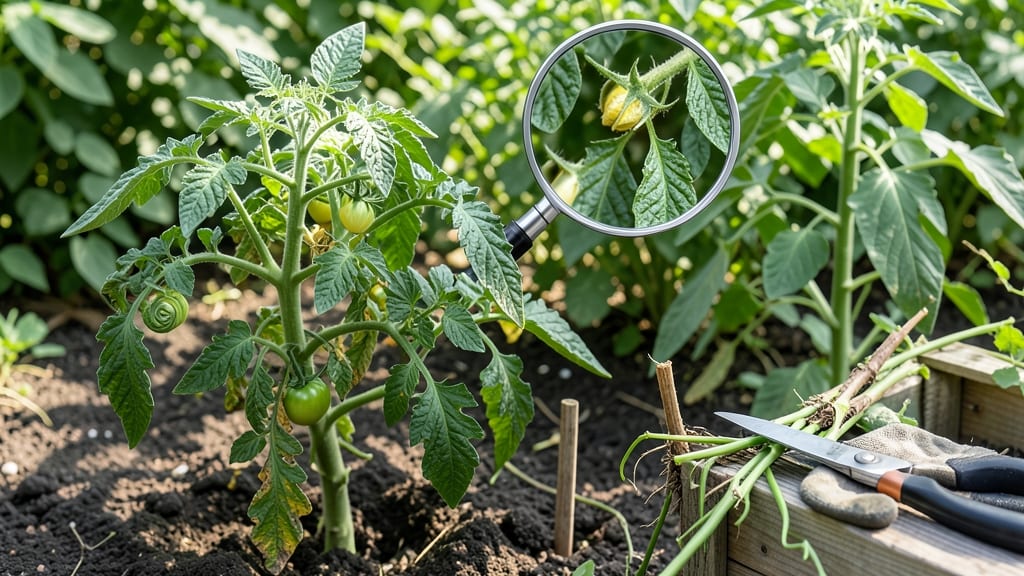
Tomato curly leaf virus turns your prized plants into stunted, twisted shadows of themselves. 🌱 Honestly, I’ve watched this virus ruin entire tomato seasons—and the worst part? It’s often invisible until it’s too late. But there’s hope: catching it early and acting fast can save your harvest.
The culprit is usually whiteflies, those tiny white pests that seem harmless until they’re not. They spread the virus like a silent thief, and once your plants show curled leaves or yellowing veins, it’s already too late for those plants.
The good news? Resistant varieties like ‘Mountain Merit’ or ‘Defiant’ can help, and proper sanitation keeps new infections at bay.
You’ll need to act quickly with organic neem oil sprays or insecticidal soap to stop the whiteflies, but the real game-changer is prevention. Crop rotation, removing infected plants immediately, and using reflective mulch can cut transmission by 70%. The goal isn’t just to treat—it’s to protect what’s left.
This isn’t about giving up on tomatoes—it’s about outsmarting the virus. With the right steps, you can keep your plants healthy, your harvests abundant, and those frustrating whiteflies under control. Let’s get your garden back on track.
The Hidden Triggers Behind Leaf Distress
When your tomato plants develop twisted, yellowed leaves and stunted growth, the culprit is often the tomato curly leaf virus—a sneaky pathogen that thrives in specific conditions.
Understanding why this virus strikes is the first step to preventing it. Below, we break down the key factors that turn your lush tomato plants into leafy casualties.
The tomato curly leaf virus (ToCV) doesn’t spread on its own—it hitches a ride on insects, particularly whiteflies. These tiny, winged pests feed on plant sap and, in the process, transmit the virus from infected plants to healthy ones. Here’s how it works:
- Whiteflies as carriers: Adult whiteflies acquire the virus while feeding on an infected plant. When they move to a new plant, they inject viral particles into its sap, initiating infection.
- Juvenile spread: Even young whitefly nymphs (babies) can transmit the virus, making early detection critical. They cluster on the undersides of leaves, making them hard to spot.
- No plant-to-plant contact needed: Unlike some viruses, ToCV doesn’t spread through direct contact, soil, or tools. Insects are the only route.
Actionable tip: 🌡️ Monitor your garden for whiteflies—especially in warm, dry climates where they thrive. Use yellow sticky traps or inspect leaf undersides for tiny white specks (their eggs or adults). Early intervention with neem oil or insecticidal soap can disrupt their life cycle before they spread the virus.
The tomato curly leaf virus loves heat. Research shows it thrives in temperatures between 77–86°F (25–30°C), making it a common issue in:
- Southern U.S. states (e.g., Florida, Texas, California)
- Greenhouse environments with poor ventilation
- Outdoor gardens during summer heatwaves
Why? Warmth accelerates whitefly activity and weakens tomato plants, making them more susceptible to infection. Dry conditions exacerbate the issue by:
- Reducing plant resilience (stressed plants can’t fight off viruses as effectively).
- Increasing whitefly populations (they prefer dry, dusty leaves).
Actionable tip: ✨ Improve airflow around plants—prune for better circulation and use fans in greenhouses. Mulch soil to retain moisture and reduce stress on roots. If whiteflies are rampant, consider shade cloth to lower leaf temperatures slightly.
Healthy tomato plants have natural defenses, but when they’re stressed or compromised, they become easy targets for the tomato curly leaf virus. Common stressors include:
| Stressor | How It Weakens Plants | Prevention Tip |
|---|---|---|
| 💧 Over/under-watering | Disrupts nutrient uptake and root health, making plants vulnerable. | Water deeply 1–2 times per week (check soil moisture 1" below surface). |
| 🌱 Nutrient deficiencies (e.g., nitrogen, potassium) | Leads to stunted growth and poor immune response. | Use balanced fertilizer (10-10-10) and soil tests to address gaps. |
| 🐛 Other pests/diseases (e.g., aphids, fungal infections) | Compromises plant energy, leaving it open to viral attacks. | Rotate crops and practice companion planting (e.g., basil repels pests). |
| 🌡️ Extreme temperature swings | Shocks the plant’s metabolism, reducing disease resistance. | Use row covers for frost protection and avoid planting in low-lying areas. |
Actionable tip: 💡 Start with healthy seedlings—buy from reputable nurseries and avoid planting in soil previously infected with ToCV (the virus can persist on weeds or volunteer plants). Practice crop rotation to starve out lingering pathogens.
While the tomato curly leaf virus primarily spreads via insects, mechanical transmission can occur if you’re working with infected plants. Here’s how:
- Pruning tools: If you snip an infected leaf and then use the same shears on a healthy plant, viral particles can enter wounds.
- Gloves/hands: Sap from infected plants can cling to skin or fabric, transferring the virus to the next plant you touch.
- Reusing containers: Pots or trays that held infected plants may harbor viral particles.
Actionable tip: 🔪 Sanitize tools between plants—wipe blades with 70% isopropyl alcohol or bleach solution (1 part bleach to 9 parts water). Wash hands thoroughly after handling suspicious plants, and disinfect surfaces (like greenhouse benches) regularly.
By tackling these root causes—insect vectors, environmental conditions, plant health, and hygiene—you can dramatically reduce the risk of tomato curly leaf virus wreaking havoc in your garden. The key? Vigilance and prevention before symptoms even appear.
How to Treat and Prevent Leaf Distortion
If your tomato plants are showing signs of curling, yellowing, or stunted growth, acting fast is key to saving your harvest. The tomato curly leaf virus (often spread by aphids or infected plant material) can weaken plants, but with the right approach, you can manage it effectively.
Below, we break down practical solutions based on the root cause—whether it’s infected plants, pests, or environmental stress—plus prevention tips to keep your garden healthy.
Cause: The virus spreads through sap, so infected plants must be isolated or destroyed to prevent contamination.
Fix:
- 🔪 Cut out and discard severely affected plants (do not compost them—they can reinfect soil).
- 🧼 Disinfect tools with rubbing alcohol or bleach (1 part bleach to 10 parts water) between uses.
- 🚫 Avoid pruning unless necessary—open wounds can spread the virus further.
Pro Tip: 💡 If you’re unsure whether a plant is infected, quarantine it for a week and monitor for new symptoms.
Cause: Aphids are the primary vectors for this virus, carrying it from plant to plant as they feed.
Fix:
- 💦 Spray with water (forceful streams dislodge aphids from leaves).
- 🐞 Introduce natural predators like ladybugs, lacewings, or parasitic wasps.
- 🧴 Use insecticidal soap or neem oil (mix 1 tbsp neem oil + 1 tsp mild soap per quart of water; spray early morning/evening).
- 🛡️ Cover young plants with fine mesh netting to block aphids.
Pro Tip: 🌡️ Aphids thrive in warm, dry conditions—keep plants well-watered to deter them.
Cause: Weak or stressed plants are more susceptible to viral infections.
Fix:
- 💧 Water deeply but consistently—avoid overhead watering (wet leaves encourage pests).
- 🍽️ Provide balanced fertilizer (high in phosphorus and potassium) to boost plant health.
- 🌞 Ensure 6–8 hours of sunlight daily—tomatoes need full sun to resist stress.
- 🌱 Rotate crops annually—avoid planting tomatoes (or related plants like peppers) in the same spot.
Pro Tip: ✨ Companion planting with basil, marigolds, or onions can repel pests and improve air circulation.
Cause: Contaminated soil, tools, or seeds can reintroduce the virus.
Fix:
- 🌍 Sterilize soil between plantings by solarizing (covering with clear plastic for 4–6 weeks in hot sun).
- 🌱 Use certified disease-free seeds/seedlings from reputable nurseries.
- 🧴 Clean greenhouse structures with bleach solution if used.
- 🚫 Avoid touching healthy plants after handling infected ones.
Pro Tip: 🎯 Test new plants before introducing them to your garden—symptoms may take weeks to appear.
| Step | Action | When |
|---|---|---|
| 🌱 Early Season | Inspect seedlings for pests; use row covers. | Planting time |
| 🌿 Mid-Season | Monitor for aphids; apply neem oil preventatively. | Every 2–3 weeks |
| 🍅 Harvest Time | Remove all plant debris; rotate crops. | After harvest |
| 🏡 Off-Season | Sterilize tools and soil; store seeds properly. | Winter |
Final Note: While there’s no cure for the tomato curly leaf virus, early action + prevention can minimize damage. Focus on removing infected plants, controlling pests, and building plant strength—your next tomato season will thank you! 🍅✨
Frequently asked questions
What are the first signs of tomato curly leaf virus in my plants?
Look for cupped or twisted leaves, yellowing between leaf veins, and stunted growth. The leaves may also appear brittle or develop a rough texture. These symptoms usually appear 4-6 weeks after infection, so early detection is key to saving nearby plants.
Can I save a tomato plant already infected with curly leaf virus?
Unfortunately, there's no cure for infected plants—they must be removed immediately to prevent spread. Cut them at the base and dispose of them (don't compost). Focus on protecting healthy plants by controlling whiteflies and improving garden hygiene.
Will neem oil really help prevent this virus?
Yes! Neem oil disrupts whitefly life cycles—the main virus carriers—when applied as a 1% solution (1 tbsp per quart of water). Spray it every 7-10 days during warm months, especially on leaf undersides where whiteflies hide. For best results, combine with insecticidal soap.
Are there tomato varieties resistant to curly leaf virus?
Yes! Varieties like 'Mountain Merit', 'Defiant PhR', and 'Solar Fire' show good resistance. These hybrids were bred to tolerate viral diseases while maintaining excellent flavor. Check seed packets for 'virus-resistant' labels when shopping for next season's plants.
How long can this virus survive in my garden?
The virus itself doesn't persist long in soil, but whiteflies (the carriers) can overwinter in weeds or debris. To break the cycle, remove all plant material after harvest and practice 3-year crop rotation. Solarizing soil (covering with clear plastic for 4-6 weeks) can also kill any lingering pests.